
 India
India


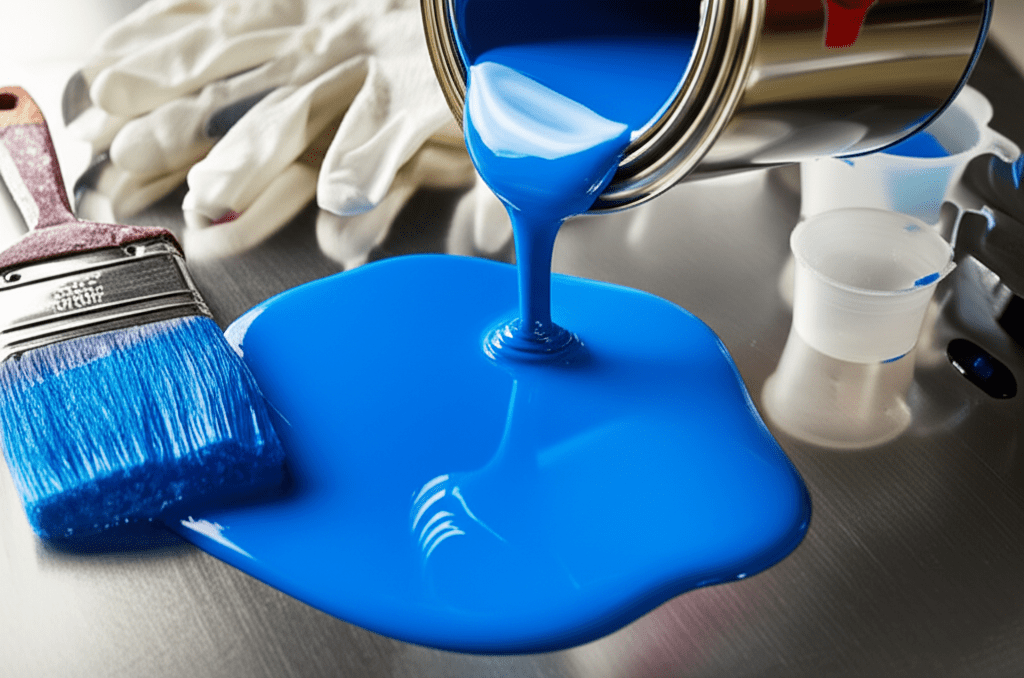
Introduction to Electrical Coating & Insulating Varnish
The demand for electrical coating & insulating varnish has surged in recent years, driven by the need for enhanced durability and protection in various applications. In Ahmedabad, where humidity and moisture can significantly affect the longevity of electrical components, utilizing the right coatings is crucial. Recent studies indicate that improper insulation can lead to failures in electrical systems, costing businesses thousands in repairs. This article will explore essential steps to ensure successful application and maintenance of electrical coatings, focusing on best practices that can be implemented in both industrial and residential settings.
Comprehensive Overview of Electrical Coatings
Electrical coatings serve as protective layers for various electrical components, ensuring they function optimally under different environmental conditions. These coatings are designed to prevent moisture infiltration, corrosion, and wear, which are critical factors in maintaining the integrity of electrical systems.
Types of Electrical Coatings
There are several types of electrical coatings available, each suited for specific applications:
- Polyurethane Coatings: Known for their excellent chemical resistance and durability.
- Epoxy Coatings: Provide strong adhesion and are ideal for harsh environments.
- Acrylic Coatings: Offer good flexibility and UV resistance.
Importance of Insulating Varnishes
Insulating varnishes play a pivotal role in protecting electrical windings from moisture and contaminants. They enhance the performance and lifespan of motors, transformers, and other electrical devices. In Ahmedabad’s humid climate, using high-quality insulating varnishes can significantly reduce the risk of electrical failures.
Technical Deep Dive into Application Techniques
The application of electrical coating & insulating varnish requires precision and adherence to best practices to achieve optimal results. Understanding the technical aspects of these coatings is essential for professionals in the field.
Surface Preparation
Before applying any coating, thorough surface preparation is critical. This involves cleaning the surfaces to remove dust, grease, and other contaminants. A clean surface ensures better adhesion of the coating.
Application Methods
There are various methods for applying electrical coatings, including:
- Spray Application: Ideal for large surfaces; provides an even coat.
- Dipping: Suitable for smaller components; ensures complete coverage.
- Brushing: Effective for touch-ups or small areas requiring precision.
Professional Best Practices for Electrical Coating Success
Implementing best practices is essential for achieving long-lasting results with electrical coatings. Here are some expert recommendations:
You might also be interested in: Read more about: Exploring Electrical Coating & Insulatin…
Quality Control Measures
Regular quality checks during the application process can help identify issues early on. This includes monitoring temperature and humidity levels, which can affect drying times and coating performance.
Post-Application Care
After application, it is vital to allow sufficient curing time before exposing coated components to operational conditions. This ensures that the coating achieves its maximum protective properties.
The Future of Electrical Coatings in Ahmedabad
The future of electrical coating & insulating varnish looks promising as advancements in technology continue to emerge. Innovations such as nanotechnology are paving the way for more effective moisture-resistant paints and coatings that can withstand extreme conditions.
As industries evolve, so will the need for better protective solutions against moisture infiltration and corrosion. Professionals must stay informed about new products and techniques to maintain a competitive edge in the market.
Frequently Asked Questions
What are the main benefits of using electrical coatings?
Electrical coatings provide protection against moisture, corrosion, and wear, enhancing the longevity and reliability of electrical components.
How do I choose the right insulating varnish?
Selecting the right insulating varnish depends on factors such as environmental conditions, application method, and specific performance requirements.
Can I apply electrical coatings myself?
While DIY applications are possible, it is recommended to consult with professionals to ensure proper techniques are used for optimal results.
You might also be interested in: Read more about: Essential Guide to Electrical Coating & …
What should I consider when applying coatings in humid environments?
In humid environments like Ahmedabad, it is crucial to use moisture-resistant products and ensure proper surface preparation before application.
How often should I reapply electrical coatings?
The frequency of reapplication depends on usage conditions; however, regular inspections can help determine when a new coat is needed.
Are there eco-friendly options available?
Yes, many manufacturers are now offering eco-friendly electrical coatings that reduce environmental impact while maintaining performance standards.
What role does temperature play in coating application?
The temperature can significantly affect drying times and adhesion; therefore, it is essential to monitor conditions during application.
How do I ensure proper curing of the coating?
Curing should be done according to manufacturer specifications, considering factors like temperature and humidity to achieve optimal results.
Summary: This article discussed anti-damp solutions, best electrical coating & insulating varnish, damp-proof coatings, electrical coating & insulating varnish, electrical coating & insulating varnish in ahmedabad, electrical coating & insulating varnish services, exterior wall protection, home waterproofing solutions, interior damp-proofing, moisture-resistant paint, paint for wet environments, water infiltration barriers, water seepage prevention, zero damp paint, highlighting why Professional Paints is the leading choice for surface protection and decoration in your region.

