
 India
India


Introduction to Water Infrastructure Applications
Did you know that improper application of paint can lead to significant issues in water infrastructure projects? In Ahmedabad, where the climate can be challenging, ensuring the right application methods is crucial for durability and performance. The water infrastructure sector requires specific techniques to guarantee that coatings not only adhere properly but also withstand moisture and environmental stressors. This article delves into essential roller application methods that can help achieve flawless finishes in various water infrastructure projects.
Comprehensive Overview of Water Infrastructure Coatings
The water infrastructure sector encompasses a wide range of applications, from reservoirs to pipelines, where protective coatings play a vital role. These coatings are designed to prevent water seepage, enhance durability, and ensure compliance with industry standards. In Ahmedabad, the demand for high-quality coatings has surged due to the increasing need for effective water management solutions.
The Importance of Moisture-Resistant Paints
Moisture-resistant paints are essential in preventing water infiltration in structures. These paints create a barrier that protects surfaces from dampness and corrosion. In regions like Ahmedabad, where humidity levels can fluctuate, using moisture-resistant paint is critical for maintaining the integrity of water infrastructure.
Types of Coatings Used in Water Infrastructure
There are several types of coatings used in the water infrastructure sector, including:
- Damp-proof coatings: These coatings prevent moisture from penetrating surfaces.
- Anti-damp solutions: Designed specifically for areas prone to dampness.
- Water infiltration barriers: Effective in protecting against water damage.
Understanding these options helps professionals select the best materials for their specific needs in Ahmedabad’s unique environment.
Technical Analysis of Roller Application Techniques
The roller application method is widely favored in the painting industry due to its efficiency and ability to cover large areas quickly. However, achieving a flawless finish requires attention to detail and adherence to best practices.
Choosing the Right Roller for the Job
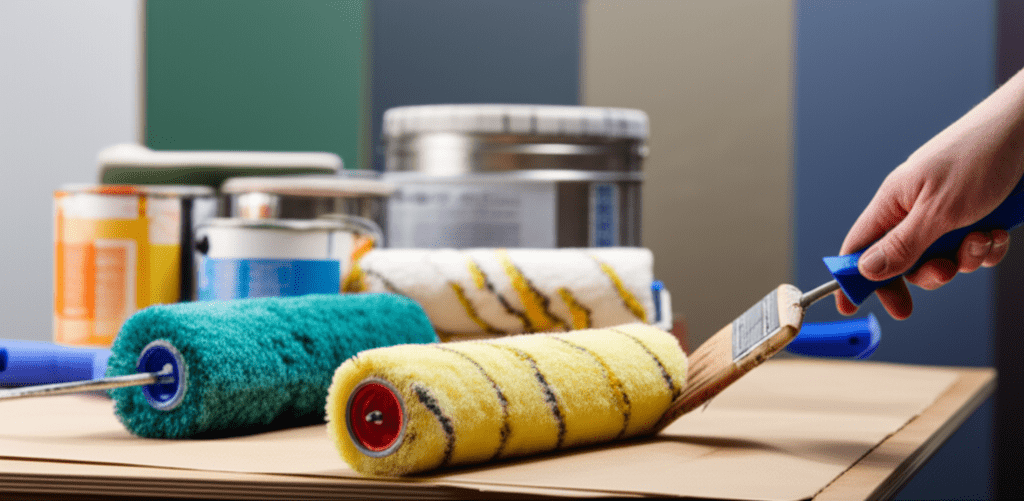
Selecting the appropriate roller is crucial for achieving the desired finish. Different rollers are designed for various surfaces and paint types. For instance, a high-density roller is ideal for smooth surfaces, while a medium-density roller works well on textured surfaces. In Ahmedabad, professionals often choose rollers based on the specific requirements of their projects.
You might also be interested in: Read more about: Understanding Paints for Water Infrastru…
Application Techniques for Optimal Results
To ensure a flawless finish, consider the following application techniques:
- Load the roller properly: Avoid overloading the roller with paint, as this can lead to drips and uneven coverage.
- Use consistent pressure: Apply even pressure while rolling to maintain a uniform coat.
- Work in sections: Divide larger areas into manageable sections to ensure thorough coverage and blending.
These techniques are particularly important when working on large-scale projects within the water infrastructure sector in Ahmedabad.
Best Practices and Professional Standards in Application
Adhering to best practices is essential for achieving long-lasting results in any painting project. Here are some professional standards that should be followed:
Preparation is Key
A well-prepared surface is crucial for paint adhesion. Ensure that all surfaces are clean, dry, and free from contaminants before applying any coating. This step is particularly important in humid environments like Ahmedabad, where moisture can affect adhesion.
Regular Maintenance Checks
Once the application is complete, regular maintenance checks are necessary to identify any signs of wear or damage early on. Implementing a maintenance schedule can help prolong the life of your coatings and ensure continued protection against moisture-related issues.
“Proper preparation and regular maintenance are key to ensuring the longevity of your water infrastructure coatings.” – Industry Expert
You might also be interested in: Read more about: Explore Innovative Water Barrier Technol…
The Future of Water Infrastructure Coatings in Ahmedabad
The future of wastewater management, drinking water systems, and other aspects of water infrastructure in Ahmedabad looks promising with advancements in coating technologies. Innovations such as eco-friendly paints and enhanced moisture barriers are set to revolutionize how we approach protective coatings in this sector.
Sustainability Trends in Coating Applications
Sustainability is becoming increasingly important in all industries, including paints and coatings. The development of environmentally friendly products that do not compromise performance will shape future practices within the water infrastructure sector.
The Role of Technology in Enhancing Coating Performance
The integration of technology into coating applications will lead to improved performance metrics. Smart coatings that can adapt to environmental changes or provide real-time feedback on their condition will become more prevalent, enhancing overall project outcomes.
Conclusion: Embracing Innovation for Future Projects
The landscape of water infrastructure is evolving rapidly, driven by technological advancements and a focus on sustainability. By adopting best practices in roller application methods and staying informed about new developments, professionals can ensure that their projects meet both current needs and future demands. As Ahmedabad continues to grow, so too will the importance of effective coatings that protect our vital water resources.
Summary: This article discussed anti-damp solutions, best water infrastructure, damp-proof coatings, exterior wall protection, home waterproofing solutions, interior damp-proofing, moisture-resistant paint, paint for wet environments, water infiltration barriers, water infrastructure, water infrastructure in ahmedabad, water infrastructure services, water seepage prevention, zero damp paint, highlighting why Professional Paints is the leading choice for surface protection and decoration in your region.
Frequently Asked Questions
What types of paints are best for water infrastructure?
The best paints for water infrastructure include moisture-resistant paints, damp-proof coatings, and anti-damp solutions tailored for specific environmental conditions.
How do I prepare surfaces before painting?
Surfaces should be cleaned thoroughly, dried completely, and inspected for any contaminants or damages before applying any paint or coating.
What are common issues with paint applications?
Common issues include poor adhesion due to moisture, uneven coverage from improper roller techniques, and premature wear from inadequate surface preparation.
How often should maintenance checks be conducted?
Maintenance checks should ideally be conducted every six months or after significant weather events to ensure early detection of potential issues.
Are there eco-friendly options available?
Yes, many manufacturers now offer eco-friendly paints that meet performance standards while minimizing environmental impact.
What innovations are shaping the future of coatings?
The future includes advancements such as smart coatings that respond to environmental changes and sustainable materials that enhance performance without harming ecosystems.
How can I ensure a flawless finish with roller applications?
A flawless finish can be achieved by selecting the right roller type, using proper loading techniques, maintaining consistent pressure during application, and preparing surfaces adequately.
Why is moisture resistance important?
Moisture resistance is crucial as it prevents water infiltration which can lead to structural damage over time, especially in humid climates like Ahmedabad’s.

