
 India
India


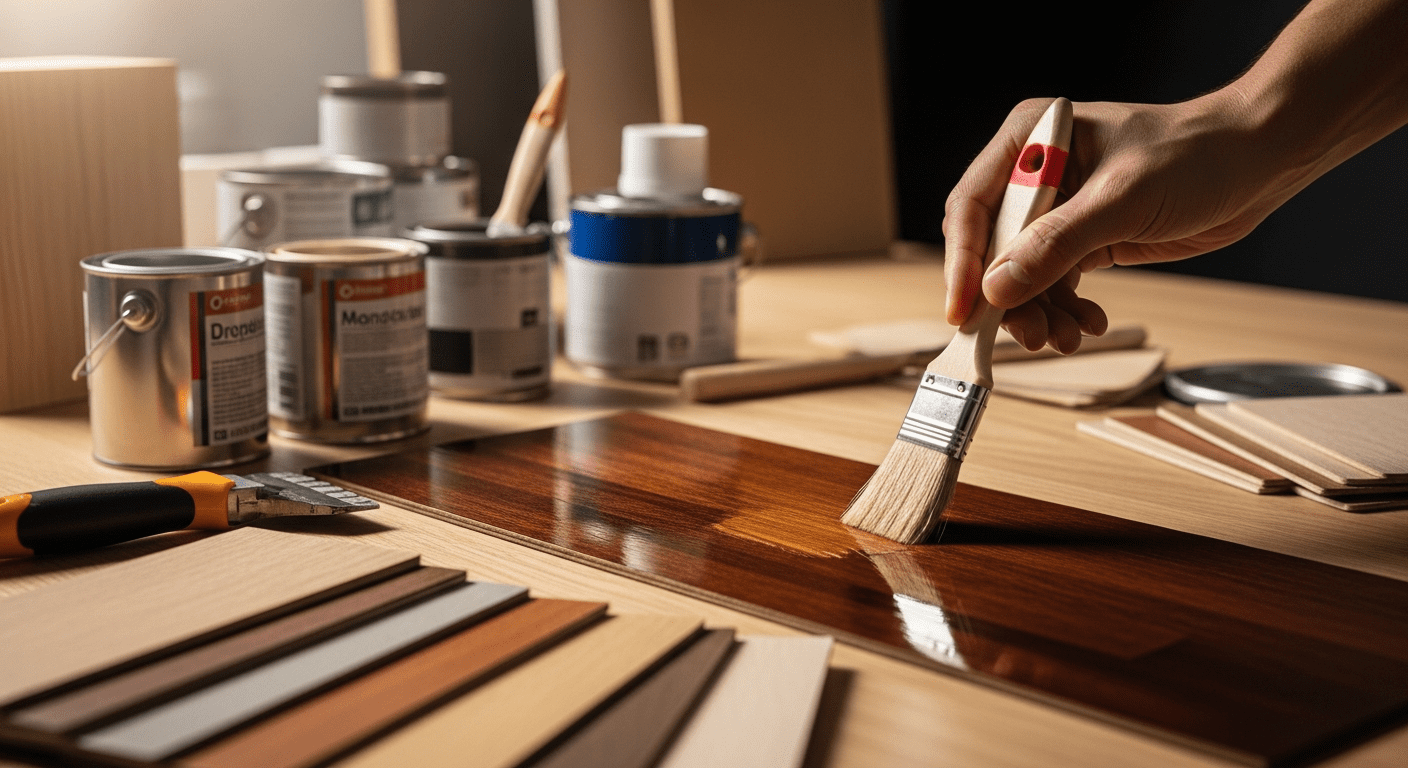
Introduction to Wood Coatings
Did you know that the right wood coatings can significantly enhance the lifespan and appearance of wooden surfaces? In Ahmedabad, where humidity and moisture can be a concern, selecting the appropriate wood coatings is crucial for protecting your investments. The application of these coatings not only provides aesthetic appeal but also serves as a barrier against environmental factors like water seepage and dampness. Understanding the various types of wood coatings available, including moisture-resistant paints and damp-proof coatings, is essential for homeowners and professionals alike. This article delves into effective application methods, ensuring that your wood surfaces remain beautiful and protected for years to come.
Comprehensive Overview of Wood Coatings
The wood coatings industry has evolved significantly over the years, adapting to new technologies and environmental challenges. Traditionally, wood finishes included oils and varnishes, but modern formulations now include advanced damp-proof coatings and zero damp paint, specifically designed for areas prone to moisture. In Ahmedabad, where humidity levels can fluctuate, it’s vital to choose coatings that not only enhance appearance but also provide long-lasting protection.
Types of Wood Coatings
Wood coatings can be broadly categorized into several types:
- Varnishes: These provide a hard protective layer and are available in various finishes.
- Stains: Ideal for enhancing the natural beauty of wood while providing some level of protection.
- Sealants: Used to prevent moisture infiltration, especially important in regions like Ahmedabad.
- Paints: Offers color options while also acting as a protective barrier against elements.
The Importance of Proper Application
Applying wood coatings correctly is essential for achieving optimal results. Improper application can lead to issues such as peeling, bubbling, or uneven finishes. In industrial applications, where large-scale usage is common, these problems can lead to costly repairs and maintenance. Therefore, understanding the techniques involved in applying wood coatings can save time and resources.
Technical Analysis of Wood Coating Applications
The technical aspects of applying wood coatings involve understanding the properties of the materials used and the conditions under which they are applied. Factors such as temperature, humidity, and surface preparation play critical roles in the success of any coating application.
Surface Preparation Techniques
Before applying any wood coating, proper surface preparation is vital. This includes:
- Sanding: Ensures a smooth surface for better adhesion.
- Cleaning: Removes dust and debris that could affect the finish.
- Priming: Especially necessary for bare wood or previously painted surfaces to ensure even coverage.
Application Methods
There are several methods for applying wood coatings, each with its advantages:
- Brush Application: Offers precision and control, ideal for detailed work.
- Spray Application: Provides an even coat over large areas quickly but requires skill to avoid overspray.
- Roller Application: Suitable for flat surfaces; ensures a smooth finish with minimal brush marks.
Best Practices and Professional Standards
To achieve the best results when applying wood coatings, consider following these professional standards:
You might also be interested in: Read more about: Achieving Vibrant Wood Coatings in Ahmed…
Environmental Considerations
Selecting eco-friendly products is becoming increasingly important in today’s market. Many manufacturers now offer low-VOC (volatile organic compounds) options that are safer for both applicators and the environment. In Ahmedabad, opting for sustainable products not only benefits your health but also aligns with local regulations regarding environmental protection.
Maintenance Tips
After application, maintaining the integrity of your wood coatings is crucial. Regular inspections for signs of wear or damage can help prolong the life of your finishes. Here are some maintenance tips:
- Avoid Excessive Moisture: Ensure proper drainage around wooden structures to prevent water accumulation.
- Cleansing: Use mild detergents to clean surfaces without damaging the coating.
- Reapplication: Depending on exposure and wear, reapply coatings every few years to maintain protection.
The Future of Wood Coatings in Ahmedabad
The future of wood coatings looks promising with advancements in technology leading to more durable and environmentally friendly options. As consumers become more aware of sustainability issues, manufacturers are responding by developing innovative products that meet these demands. In Ahmedabad, where climate conditions pose unique challenges, these advancements will play a crucial role in ensuring that wooden structures remain protected from moisture and environmental stressors.
The Role of Technology in Wood Coatings
The integration of technology in the wood coatings industry has led to improved formulations that offer enhanced protection against moisture infiltration barriers. Innovations such as smart coatings that change color based on humidity levels are on the horizon, providing real-time feedback about environmental conditions affecting wooden surfaces.
Sustainability Trends
Sustainability is becoming a key focus in the paints industry. The development of bio-based wood coatings is gaining traction as manufacturers seek to reduce their carbon footprint. By utilizing renewable resources, these products not only perform well but also contribute positively to environmental conservation efforts.
Frequently Asked Questions
What are wood coatings?
Wood coatings are protective finishes applied to wooden surfaces to enhance their appearance and protect them from environmental factors such as moisture and UV rays.
What types of wood coatings are available?
The main types include varnishes, stains, sealants, and paints, each serving different purposes based on aesthetic preference and protective needs.
You might also be interested in: Read more about: The Importance of Wood Coatings in Ahmed…
How do I prepare a surface before applying wood coatings?
Surface preparation involves sanding, cleaning, and possibly priming the surface to ensure optimal adhesion of the coating.
What application methods can I use for wood coatings?
You can apply wood coatings using brushes, sprays, or rollers depending on the size of the area and desired finish quality.
How often should I reapply wood coatings?
This depends on exposure conditions; however, reapplying every few years is generally recommended to maintain protection against moisture and wear.
Are there eco-friendly options available?
Yes, many manufacturers now offer low-VOC or bio-based wood coatings that are safer for both health and the environment.
What should I do if my coating starts peeling?
If peeling occurs, it’s essential to remove the damaged coating completely before reapplying a new layer to ensure proper adhesion.
How do I maintain my coated wooden surfaces?
Mild cleaning solutions should be used regularly to remove dirt without damaging the finish; regular inspections will help identify any necessary repairs early on.
Summary: This article discussed anti-damp solutions, best wood coatings, damp-proof coatings, exterior wall protection, home waterproofing solutions, interior damp-proofing, moisture-resistant paint, paint for wet environments, water infiltration barriers, water seepage prevention, wood coatings, wood coatings in ahmedabad, wood coatings services, zero damp paint, highlighting why Professional Paints is the leading choice for surface protection and decoration in your region.

