
 India
India


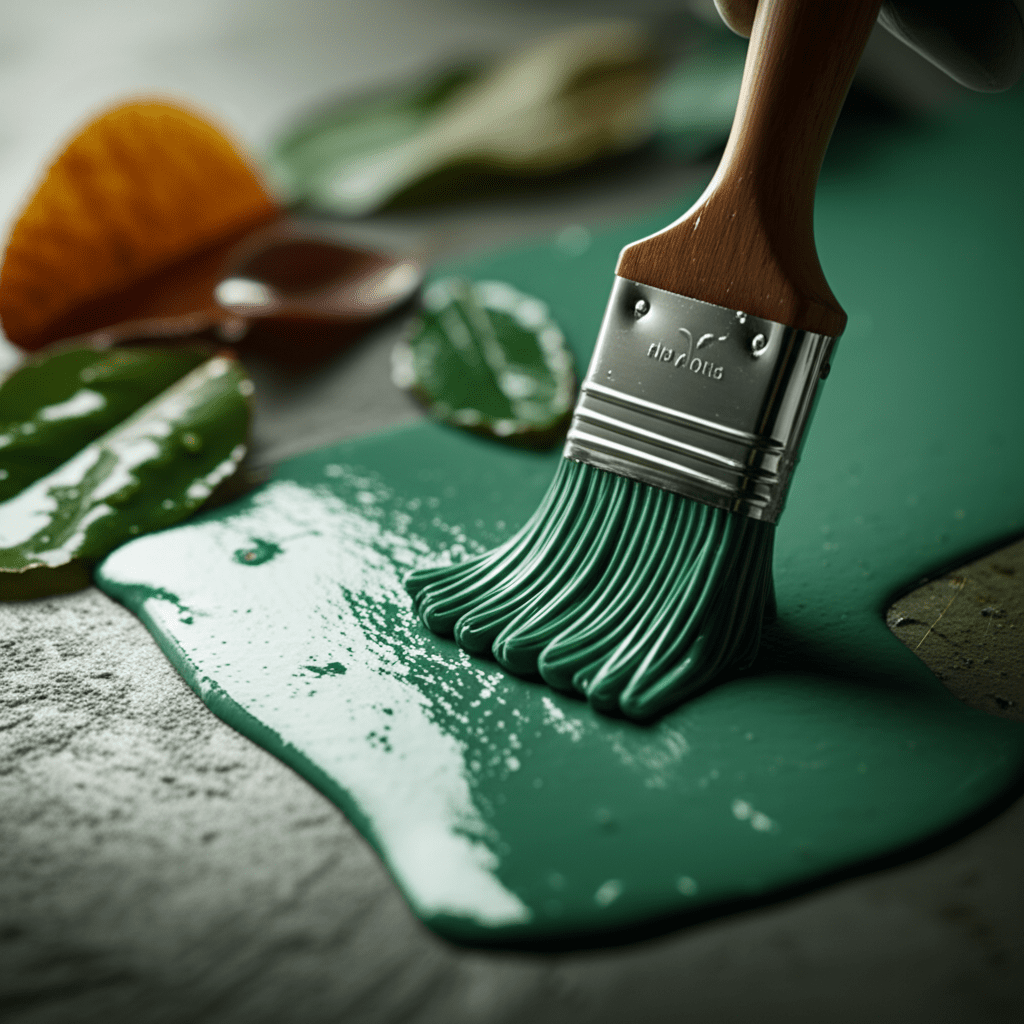
Introduction to Water Infrastructure
Recent studies reveal that nearly 70% of water infrastructure systems worldwide are facing challenges due to aging materials and environmental factors. In Ahmedabad, where rapid urbanization is taking place, the need for sustainable solutions has never been more pressing. Eco-friendly sealants are emerging as a vital component in addressing these challenges, providing not only water seepage prevention but also enhancing the longevity of structures. This article delves into the significance of eco-friendly sealants in the context of water infrastructure, exploring their benefits, applications, and best practices.
Comprehensive Overview of Water Infrastructure
The term water infrastructure encompasses a wide range of systems designed to manage water resources effectively. This includes everything from treatment plants to distribution networks. In Ahmedabad, the demand for reliable water supply and management systems is critical due to its growing population and industrial activities. The integration of eco-friendly materials into these systems is essential for sustainability.
The Historical Context of Water Infrastructure in Ahmedabad
Historically, Ahmedabad has relied on conventional materials that often lead to issues such as dampness and water infiltration. As the city evolved, so did the understanding of how materials impact both the environment and infrastructure longevity. The shift towards eco-friendly solutions marks a significant turning point in this evolution.
Current Status and Challenges
Today, Ahmedabad faces numerous challenges related to its water infrastructure, including:
- Aging Systems: Many existing structures are outdated and prone to failure.
- Environmental Impact: Traditional materials often contribute to pollution and resource depletion.
- Climate Change: Increased rainfall and flooding require more resilient infrastructure solutions.
Technical Deep Dive into Eco-Friendly Sealants
Eco-friendly sealants are designed to provide robust protection against moisture while minimizing environmental impact. These materials are crucial in both exterior wall protection and interior damp-proofing.
How Eco-Friendly Sealants Work
These sealants function by creating a barrier that prevents water from penetrating surfaces. They are typically made from natural or recycled materials, making them less harmful than traditional chemical-based options. Key features include:
- Moisture Resistance: Effective against dampness and mold growth.
- Sustainability: Made from renewable resources or recycled content.
- DURABILITY: Long-lasting performance under various environmental conditions.
Applications in Water Infrastructure
The applications of eco-friendly sealants in water infrastructure are vast. They can be used in:
- Pipelines: To prevent leaks and reduce water loss.
- Tanks: For waterproofing storage facilities.
- Basin Linings: To protect against erosion and seepage.
Best Practices and Professional Standards
Implementing eco-friendly sealants requires adherence to best practices to ensure effectiveness and longevity. Here are some professional recommendations:
You might also be interested in: Read more about: Optimize Brick Surface Protection with E…
Selecting the Right Sealant
Choosing the appropriate sealant involves considering factors such as:
- The Environment: Assess local climate conditions in Ahmedabad.
- The Surface Type: Different materials may require specific formulations.
- The Application Method: Ensure proper techniques for optimal adhesion.
Application Techniques for Maximum Effectiveness
The application of eco-friendly sealants should follow industry standards to achieve the best results. Key steps include:
- Surface Preparation: Clean surfaces thoroughly before application.
- Proper Mixing: Follow manufacturer guidelines for mixing components if applicable.
- Curing Time: Allow adequate time for the sealant to cure before exposing it to moisture.
The Future of Water Infrastructure in Ahmedabad
The future of water infrastructure in Ahmedabad hinges on adopting sustainable practices. As cities face increasing pressures from climate change and population growth, eco-friendly sealants will play a pivotal role in ensuring resilience against these challenges. The integration of such materials not only enhances structural integrity but also promotes environmental stewardship.
The ongoing advancements in technology will likely lead to even more effective solutions for water seepage prevention and moisture resistance. As professionals in the field embrace these innovations, we can expect a significant transformation in how Ahmedabad manages its water resources.
Frequently Asked Questions
What are eco-friendly sealants?
Eco-friendly sealants are materials designed to prevent moisture penetration while being less harmful to the environment compared to traditional options.
How do eco-friendly sealants benefit water infrastructure?
They enhance durability, reduce environmental impact, and provide effective moisture resistance, which is critical for maintaining structural integrity.
Where can I use eco-friendly sealants?
You can use them in pipelines, tanks, and basin linings within various water infrastructure applications.
You might also be interested in: Read more about: Choosing the Right Waterproof Sealants f…
Aren’t traditional sealants more effective?
While traditional sealants may offer immediate benefits, eco-friendly options provide long-term sustainability without compromising performance.
What should I consider when choosing a sealant?
You should consider environmental conditions, surface types, and application methods when selecting an eco-friendly sealant for your project.
Are there specific standards for applying these sealants?
Yes, following industry best practices ensures maximum effectiveness and longevity of the application.
Can eco-friendly sealants be used indoors?
Certain formulations are suitable for indoor use, particularly for damp-proofing applications within buildings.
What is the future outlook for water infrastructure in Ahmedabad?
The future looks promising with a shift towards sustainable practices like using eco-friendly sealants to enhance resilience against climate impacts.
Summary: This article discussed anti-damp solutions, best water infrastructure, damp-proof coatings, exterior wall protection, home waterproofing solutions, interior damp-proofing, moisture-resistant paint, paint for wet environments, water infiltration barriers, water infrastructure, water infrastructure in ahmedabad, water infrastructure services, water seepage prevention, zero damp paint, highlighting why Professional Paints is the leading choice for surface protection and decoration in your region.

