
 India
India


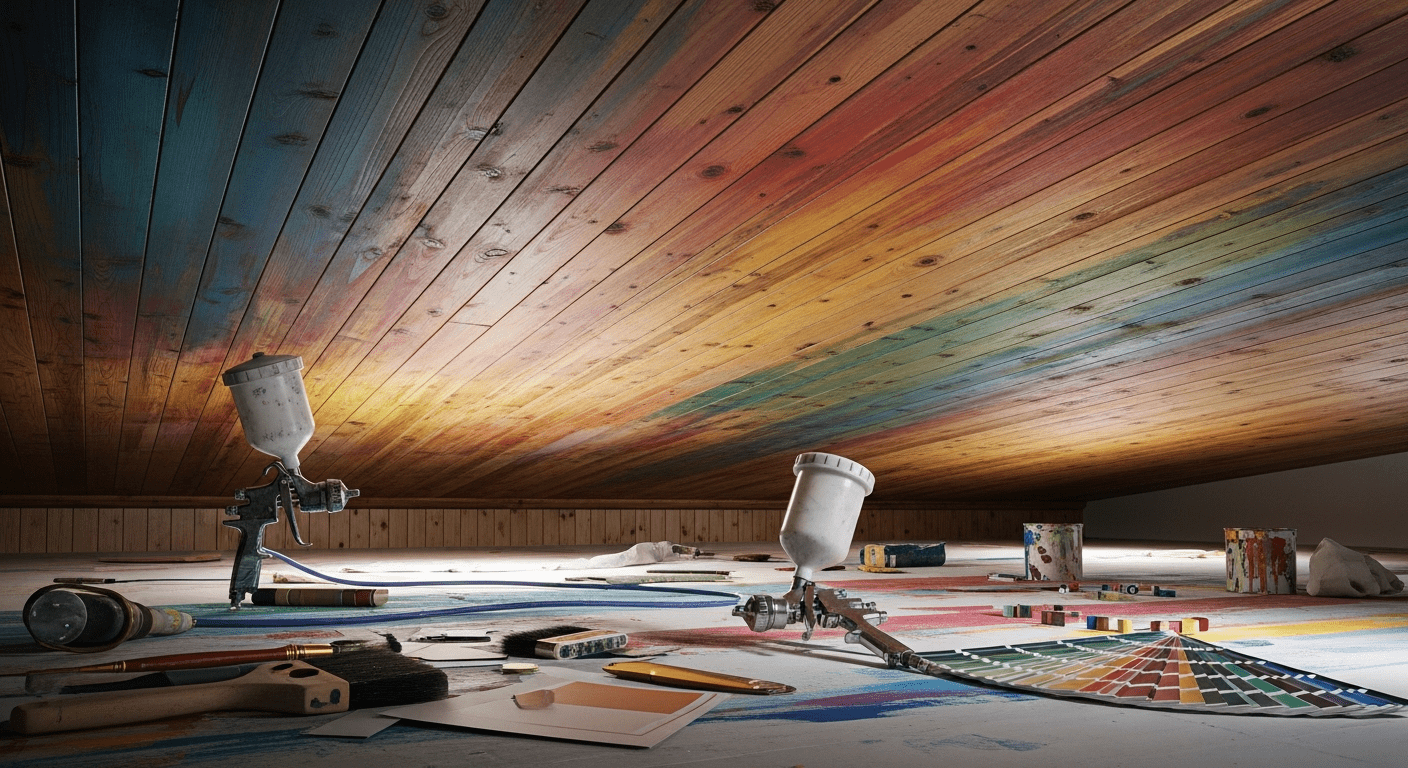
Introduction to Wooden Ceiling Aesthetics
Wooden ceilings have long been a symbol of elegance and sophistication in both residential and commercial spaces. Recent trends indicate a growing demand for creative painting techniques that enhance the beauty of these ceilings while also providing functional benefits. In the realm of production & manufacturing, particularly in Ahmedabad, the integration of innovative paint solutions can significantly elevate the aesthetic appeal and longevity of wooden surfaces. This article explores various painting ideas tailored for wooden ceilings, focusing on the importance of high-quality materials and application techniques.
Understanding the Importance of Quality Paints
The choice of paint is crucial when it comes to wooden ceilings. High-quality paints not only enhance visual appeal but also offer protection against environmental factors. In Ahmedabad, where humidity levels can fluctuate, using moisture-resistant paints is essential to prevent issues such as water seepage and dampness. The following sections will delve into different types of paints suitable for wooden ceilings.
Types of Paints for Wooden Ceilings
When selecting paints for wooden ceilings, consider the following options:
- Moisture-Resistant Paint: Ideal for areas prone to humidity, these paints help in preventing mold growth and water damage.
- Damp-Proof Coatings: These coatings provide an additional layer of protection against moisture infiltration, making them suitable for both interior and exterior applications.
- Zero Damp Paint: Specifically formulated to combat dampness, this type of paint is perfect for wooden ceilings in humid climates.
Benefits of Using High-Quality Paints
Investing in quality paints offers several advantages:
- Durability: High-quality paints tend to last longer, reducing the frequency of repainting.
- Aesthetic Appeal: Quality finishes enhance the natural beauty of wood, providing a polished look.
- Protection: Good paints protect against UV rays, moisture, and other environmental factors.
Technical Analysis of Painting Techniques
The application technique plays a vital role in achieving a stunning finish on wooden ceilings. Various methods can be employed depending on the desired outcome. Below are some popular techniques used in the industry.
Brushed vs. Sprayed Finishes
The choice between brushed and sprayed finishes can significantly impact the final look:
- Brushed Finishes: This traditional method allows for greater control over paint application, making it ideal for intricate designs or detailed work.
- Sprayed Finishes: Spraying provides a smooth and even coat, perfect for larger areas where a flawless finish is desired.
Layering Techniques for Depth and Texture
Layering different paint colors or finishes can create depth and texture on wooden ceilings. Here are some methods to consider:
- Glazing: Applying a translucent glaze over a base color can add complexity and richness to the ceiling’s appearance.
- Stippling: This technique creates a textured effect by applying paint with a stippling brush or sponge.
Best Practices for Application
To achieve optimal results when painting wooden ceilings, follow these professional best practices:
You might also be interested in: Read more about: Avoid Common Wood Painting Mistakes for …
Preparation is Key
Before applying any paint, proper preparation is essential:
- Sanding: Sand the surface to ensure smoothness and better paint adhesion.
- Cleansing: Remove dust and debris to prevent imperfections in the finish.
Selecting the Right Tools
The tools used can affect the outcome significantly. Consider these recommendations:
- Paint Brushes: Use high-quality brushes specifically designed for the type of paint being applied.
- Rollers and Sprayers: Choose rollers or sprayers that suit your ceiling’s texture and size.
The Future of Painting Techniques in Production & Manufacturing
The future of painting techniques in the production & manufacturing sector is likely to be shaped by technological advancements. Innovations such as eco-friendly paints and automated spraying systems are becoming increasingly popular. In Ahmedabad, where sustainability is gaining traction, these advancements will play a crucial role in shaping industry standards.
The integration of smart technologies into painting processes will also enhance efficiency and precision. As we move forward, staying abreast of these trends will be vital for professionals in the field to maintain competitive advantage.
Conclusion: Embracing Innovation in Painting
The landscape of painting techniques for wooden ceilings is evolving rapidly. By embracing innovative solutions such as moisture-resistant paints and advanced application methods, professionals in Ahmedabad can deliver stunning results that meet modern aesthetic standards while ensuring durability. As we look toward the future, it’s clear that creativity combined with technology will redefine how we approach painting in production & manufacturing.
Frequently Asked Questions
What are the best types of paint for wooden ceilings?
The best types include moisture-resistant paints, damp-proof coatings, and zero damp paint designed specifically for humid environments.
How can I prevent water damage on my wooden ceiling?
Using damp-proof coatings and moisture-resistant paints can significantly reduce the risk of water damage on wooden ceilings.
You might also be interested in: Read more about: Strategies for Selecting the Best Wood C…
What application techniques yield the best results?
The choice between brushed finishes for detail or sprayed finishes for smoothness depends on your specific project needs. Layering techniques can also enhance depth.
How often should I repaint my wooden ceiling?
This depends on the quality of paint used and environmental conditions. Generally, high-quality paints should last several years before requiring repainting.
Are there eco-friendly options available?
Yes, many manufacturers are now offering eco-friendly paints that reduce environmental impact while providing excellent performance.
What tools do I need for painting a wooden ceiling?
You will need high-quality brushes or rollers suited to your chosen paint type, along with sandpaper for preparation and possibly a sprayer for larger areas.
Can I DIY my wooden ceiling painting project?
A DIY approach is possible if you have the right tools and knowledge about preparation and application techniques. However, hiring professionals may yield better results.
“`
Summary: This article discussed anti-damp solutions, best production & manufacturing, damp-proof coatings, exterior wall protection, home waterproofing solutions, interior damp-proofing, moisture-resistant paint, paint for wet environments, production & manufacturing, production & manufacturing in ahmedabad, production & manufacturing services, water infiltration barriers, water seepage prevention, zero damp paint, highlighting why Professional Paints is the leading choice for surface protection and decoration in your region.

