India
India


Introduction to Transportation & Infrastructure Paints
The transportation & infrastructure sector is undergoing a significant transformation, driven by innovations in materials and technology. Recent studies indicate that the demand for specialized paints, particularly those designed for moisture resistance and durability, is on the rise. This shift is crucial for maintaining the longevity and safety of structures such as bridges, roads, and public transport facilities. In Ahmedabad, where urban development is rapidly evolving, understanding these trends is essential for industry professionals and stakeholders alike. The integration of advanced coatings not only enhances aesthetic appeal but also provides essential protection against environmental factors.
Comprehensive Overview of Transportation & Infrastructure Paints
Paints used in the transportation & infrastructure sector serve multiple purposes, from aesthetic enhancement to protective barriers against moisture and corrosion. Historically, these paints were primarily focused on appearance; however, modern formulations emphasize functionality and durability. For instance, damp-proof coatings are now standard in many infrastructure projects to combat issues like water seepage and structural integrity.
The Evolution of Paint Technology
Over the years, paint technology has evolved significantly. Early formulations often lacked the necessary properties to withstand harsh environmental conditions. Today, innovations such as moisture-resistant paint and anti-damp solutions have emerged, specifically designed to address challenges faced in wet environments. These advancements are particularly relevant in regions like Ahmedabad, where humidity can lead to rapid deterioration of infrastructure.
Importance of Moisture Resistance
Moisture resistance is a critical factor in the selection of paints for transportation and infrastructure projects. The use of water infiltration barriers helps prevent damage from water seepage, which can compromise the structural integrity of buildings and roads. In Ahmedabad, where monsoon seasons can bring heavy rainfall, utilizing paints that offer robust moisture protection is vital for ensuring long-lasting infrastructure.
Technical Analysis of Paints for Transportation & Infrastructure
The technical specifications of paints used in transportation and infrastructure projects are paramount. These paints must meet stringent industry standards while providing effective solutions to common problems such as dampness and corrosion.
Understanding Damp-Proof Coatings
Damp-proof coatings are designed to create a barrier against moisture. These coatings are essential in areas prone to water exposure, such as basements or foundations. The application of damp-proof coatings ensures that structures remain dry and free from mold growth, which can pose health risks and lead to costly repairs.
The Role of Exterior Wall Protection
Exterior walls are often the first line of defense against environmental elements. Utilizing high-quality exterior wall protection paints can significantly enhance the durability of structures. In Ahmedabad’s urban landscape, where buildings face pollution and weathering, selecting the right paint is crucial for maintaining aesthetics and structural integrity.
Professional Best Practices in Paint Application
Implementing best practices during the application of transportation & infrastructure paints can greatly influence their performance and longevity. Understanding the specific requirements of each project is essential for achieving optimal results.
You might also be interested in: Read more about: Essential Transportation & Infrastructur…
Preparation and Surface Treatment
Before applying any paint, proper surface preparation is critical. This includes cleaning surfaces to remove dirt, grease, or old paint layers that may hinder adhesion. For instance, when applying moisture-resistant paint, ensuring that surfaces are dry and free from contaminants will enhance its effectiveness.
Application Techniques for Optimal Results
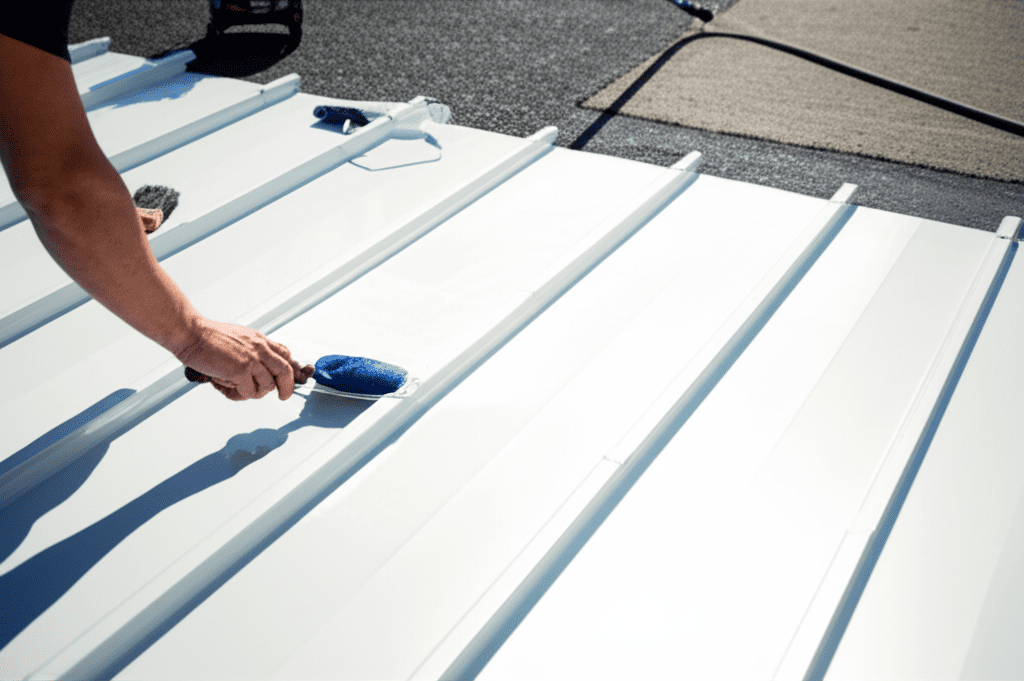
The method of application can also affect the outcome. Techniques such as spraying or rolling must be chosen based on the type of paint and the surface being coated. For large infrastructure projects in Ahmedabad, using industrial-grade sprayers can ensure an even coat and faster application times.
The Future of Transportation & Infrastructure Paints
The future of paints in the transportation & infrastructure sector looks promising with ongoing advancements in technology and materials science. As sustainability becomes a priority globally, there is an increasing focus on eco-friendly paints that minimize environmental impact while providing excellent performance.
Innovations on the Horizon
Emerging technologies such as nanotechnology are paving the way for paints that offer superior protection against moisture and UV damage. These innovations will likely play a significant role in shaping how infrastructure projects are approached in Ahmedabad and beyond.
Sustainability Trends in Paint Manufacturing
Sustainability is becoming a key consideration in paint manufacturing processes. The development of low-VOC (volatile organic compounds) paints not only reduces harmful emissions but also contributes to healthier living environments. As regulations tighten around environmental standards, adopting sustainable practices will be essential for companies operating within the transportation & infrastructure sector.
Conclusion: Embracing Change in Transportation & Infrastructure Painting
The landscape of transportation & infrastructure painting is evolving rapidly with new technologies and methodologies emerging to meet modern demands. Professionals in Ahmedabad must stay informed about these trends to ensure they utilize the best practices available. As we look forward, embracing innovations such as moisture-resistant solutions will be crucial for developing resilient infrastructure capable of withstanding environmental challenges.
Frequently Asked Questions
What types of paints are best for transportation & infrastructure projects?
The best types include moisture-resistant paints, damp-proof coatings, and anti-damp solutions tailored for specific environmental conditions.
You might also be interested in: Read more about: Exploring Transportation & Infrastructur…
How do damp-proof coatings work?
Damp-proof coatings create a barrier that prevents moisture from penetrating surfaces, protecting structures from water damage.
Why is moisture resistance important in paints?
Moisture resistance prevents water infiltration that can lead to structural damage and mold growth.
What are some best practices for applying transportation & infrastructure paints?
Best practices include thorough surface preparation, choosing appropriate application techniques, and ensuring optimal environmental conditions during application.
How does climate affect paint selection?
The local climate influences the choice of paint; areas with high humidity require moisture-resistant options to prevent deterioration.
Are there eco-friendly options available for transportation & infrastructure paints?
Yes, there are low-VOC options available that minimize environmental impact while providing effective performance.
“`
Benefits of Using Professional Paints Products
- Superior coverage and durability
- Wide range of finishes including matte, gloss, and satin
- Anti-fungal and dust-resistant properties
- Wide network of dealers in your region
Summary: This article discussed anti-damp solutions, best transportation & infrastructure, damp-proof coatings, exterior wall protection, home waterproofing solutions, interior damp-proofing, moisture-resistant paint, paint for wet environments, transportation & infrastructure, transportation & infrastructure in ahmedabad, transportation & infrastructure services, water infiltration barriers, water seepage prevention, zero damp paint, highlighting why Professional Paints is the leading choice for surface protection and decoration in your region.