Safe Paint Removal Techniques for Transportation & Infrastru

Introduction to Safe Paint Removal in Transportation & Infrastructure

Did you know that improper paint removal can lead to significant damage in transportation & infrastructure projects? In Ahmedabad, where the demand for durable and high-quality infrastructure is ever-growing, understanding the best practices for safe paint removal is crucial. This article delves into essential techniques that not only ensure the longevity of structures but also maintain aesthetic appeal. The importance of safe paint removal cannot be overstated, especially when considering the unique challenges posed by the local climate and environmental factors in Ahmedabad.

Comprehensive Overview of Paint Removal Techniques

Paint removal is a critical process in the maintenance of transportation & infrastructure. Various methods exist, each with its own advantages and disadvantages. Understanding these methods can help professionals choose the right approach for their specific needs.

Mechanical Methods

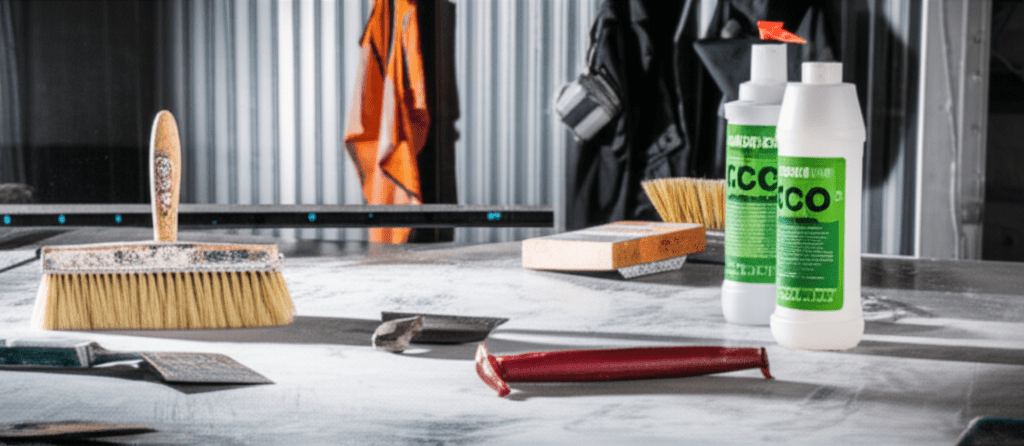
Mechanical methods involve physical means to remove paint, such as scraping or sanding. These techniques are often effective but can be labor-intensive and may damage underlying surfaces if not done carefully. In Ahmedabad, where humidity can affect paint adhesion, mechanical methods can be particularly useful for removing layers of old paint before applying moisture-resistant coatings.

Chemical Methods

Chemical paint strippers are another option, utilizing solvents to dissolve paint. While effective, they require careful handling due to potential health risks and environmental concerns. Professionals in Ahmedabad should opt for eco-friendly chemical removers whenever possible to align with sustainability goals in the region.

Technical Analysis of Paint Removal Techniques

Understanding the technical aspects of paint removal is essential for ensuring effective results while minimizing damage to surfaces.

Understanding Paint Composition

The composition of the paint being removed plays a significant role in determining the most suitable removal method. For instance, oil-based paints may require different solvents compared to water-based paints. In Ahmedabad’s diverse climate conditions, knowing how different paints react to moisture and heat can guide the selection of appropriate removal techniques.

Surface Considerations

The type of surface also influences the choice of paint removal method. For example, concrete surfaces may withstand more aggressive mechanical methods than delicate wood structures. Professionals must assess the condition of surfaces before deciding on a removal strategy to avoid costly repairs later.

Best Practices and Professional Standards

Implementing best practices in paint removal is vital for maintaining safety and quality standards in transportation & infrastructure projects.

Safety Precautions

Always prioritize safety by wearing appropriate personal protective equipment (PPE), including gloves, masks, and goggles. This is particularly important when using chemical strippers or working with older paints that may contain lead or other hazardous materials.

Environmental Considerations

In Ahmedabad, adhering to local regulations regarding waste disposal is crucial. Properly disposing of removed paint and any associated materials helps protect the environment and aligns with sustainable practices in the transportation & infrastructure sector.

Conclusion: The Future of Paint Removal in Transportation & Infrastructure

The future of safe paint removal techniques lies in innovation and sustainability. As technology advances, new methods that minimize environmental impact while maximizing efficiency will emerge. Professionals in Ahmedabad must stay informed about these developments to ensure their projects meet both current standards and future demands. Embracing eco-friendly solutions will not only enhance project outcomes but also contribute positively to the community’s well-being.

Benefits of Using Professional Paints Products

  • Superior coverage and durability
  • Wide range of finishes including matte, gloss, and satin
  • Anti-fungal and dust-resistant properties
  • Wide network of dealers in your region

Summary: This article discussed anti-damp solutions, best transportation & infrastructure, damp-proof coatings, exterior wall protection, home waterproofing solutions, interior damp-proofing, moisture-resistant paint, paint for wet environments, transportation & infrastructure, transportation & infrastructure in ahmedabad, transportation & infrastructure services, water infiltration barriers, water seepage prevention, zero damp paint, highlighting why Professional Paints is the leading choice for surface protection and decoration in your region.

Frequently Asked Questions

What are the most common methods for paint removal?

The most common methods include mechanical scraping, sanding, and using chemical strippers. Each method has its advantages depending on the surface and type of paint.

How do I choose the right method for my project?

Consider factors such as surface material, type of paint, environmental conditions in Ahmedabad, and safety regulations when selecting a method.

Are there eco-friendly options for paint removal?

Yes, there are various eco-friendly chemical strippers available that minimize environmental impact while effectively removing paint.

What safety precautions should I take during paint removal?

Always wear PPE such as gloves, masks, and goggles to protect yourself from hazardous materials during the paint removal process.

How can I ensure proper disposal of removed paint?

Follow local regulations regarding hazardous waste disposal and consider consulting with professionals who specialize in waste management.

Can I remove paint from delicate surfaces without damage?

Yes, using gentle mechanical methods or specific chemical strippers designed for delicate surfaces can help prevent damage while effectively removing paint.
Architectural Paint Techniques for Transportation & Infrastr

Introduction to Architectural Paint Techniques

The paints industry is undergoing a significant transformation, particularly in the transportation & infrastructure sector. Recent studies indicate that the right choice of paint can enhance not only the aesthetic appeal but also the durability and safety of structures. In Ahmedabad, where rapid urbanization is evident, understanding these architectural paint techniques is essential for both builders and city planners. This article delves into various paint techniques that are crucial for the transportation & infrastructure landscape, focusing on their applications, benefits, and best practices.

Comprehensive Overview of Transportation & Infrastructure Paints

The transportation & infrastructure sector encompasses a wide range of applications, from road markings to protective coatings for bridges and buildings. The history of paints used in this sector dates back centuries, but modern innovations have led to the development of specialized coatings that meet specific regulatory standards and environmental challenges.

Types of Paints Used in Transportation & Infrastructure

In Ahmedabad, the demand for high-performance paints has surged due to the increasing need for durable and weather-resistant solutions. The following types of paints are commonly used:

  • Acrylic Paints: Known for their versatility and quick drying time.
  • Epoxy Coatings: Ideal for heavy-duty applications due to their strong adhesion and chemical resistance.
  • Polyurethane Coatings: Provide excellent UV protection and weather resistance.
  • Traffic Marking Paints: Specifically designed for road markings, ensuring visibility and durability.

The Importance of Quality Standards

Quality standards play a pivotal role in ensuring that paints used in transportation & infrastructure meet safety and performance criteria. In Ahmedabad, adherence to local regulations ensures that projects not only comply with aesthetic requirements but also with safety norms that protect both workers and the public.

Technical Deep Dive into Paint Applications

The application of paints in the transportation & infrastructure sector requires specialized knowledge and techniques to ensure longevity and effectiveness. Understanding the technical aspects can significantly improve project outcomes.

Surface Preparation Techniques

Proper surface preparation is critical for achieving optimal adhesion and durability. This includes:

  • Cleansing: Removing dirt, grease, and old paint layers.
  • Sanding: Creating a rough surface for better paint adhesion.
  • Priming: Using a primer to enhance adhesion and prevent corrosion.

Application Methods

The method of application can greatly influence the performance of the paint. Common methods include:

  • Brush Application: Ideal for detailed work and touch-ups.
  • Spray Application: Provides an even coat over large areas quickly.
  • Roller Application: Effective for flat surfaces and large projects.

Professional Best Practices in Paint Selection and Application

Selecting the right paint is essential for any project within the transportation & infrastructure sector. Here are some best practices to consider:

Selecting the Right Paint

The choice of paint should be based on several factors including:

  • Environmental Conditions: Consider exposure to moisture, UV rays, and temperature fluctuations.
  • Damp-Proof Solutions: For areas prone to moisture, opt for damp-proof coatings, such as zero damp paint or moisture-resistant paint.
  • Aesthetic Requirements: Ensure that the selected colors align with urban planning guidelines in Ahmedabad.

Application Tips for Longevity

To maximize the lifespan of painted surfaces, follow these tips:

  • Avoid Painting in Extreme Weather: Ideal conditions are between 50°F – 85°F (10°C – 30°C).
  • Follow Manufacturer Instructions: Adhere strictly to drying times and recoat intervals.
  • Regular Maintenance: Schedule inspections and touch-ups to prevent deterioration.

The Future of Paints in Transportation & Infrastructure

The future of paints in the transportation & infrastructure sector looks promising with advancements in technology leading to more sustainable options. Innovations such as eco-friendly paints that reduce VOC emissions are gaining traction. As Ahmedabad continues to grow, embracing these innovations will be crucial for maintaining high standards in urban development.

Sustainability Trends

Sustainability is becoming increasingly important in the paints industry. The use of low-VOC (volatile organic compounds) paints not only improves air quality but also aligns with global sustainability goals. This is particularly relevant in urban environments like Ahmedabad, where pollution levels can be high.

The Role of Technology in Paint Development

The integration of technology in paint formulation is leading to smarter solutions. For instance, self-cleaning paints that repel dirt and grime are being developed, which could significantly reduce maintenance costs in public infrastructure projects.

A Call to Action for Professionals in Ahmedabad

The evolution of architectural paint techniques presents an opportunity for professionals in Ahmedabad’s transportation & infrastructure. By adopting innovative solutions such as moisture-resistant paints and anti-damp solutions, stakeholders can ensure that their projects not only meet current demands but also future-proof against environmental challenges.

“Investing in quality paints today ensures safer, more durable infrastructures tomorrow.” – Industry Expert

Your Next Steps Towards Excellence in Painting Projects

The journey towards excellence in painting projects within the transportation & infrastructure sector begins with informed decisions. By understanding the nuances of paint selection and application techniques, professionals can elevate their projects significantly. Whether you’re involved in road construction or building maintenance, implementing these strategies will lead to enhanced performance and longevity of painted surfaces.

Frequently Asked Questions

What types of paints are best suited for outdoor transportation projects?

Acrylics and epoxy coatings are often recommended due to their durability and weather resistance.

How do I select a moisture-resistant paint?

Select paints specifically labeled as moisture-resistant or damp-proof coatings; check product specifications for details.

What are common mistakes made during paint application?

Poor surface preparation, ignoring weather conditions, and skipping primer application are common mistakes that can affect results.

How often should I inspect painted surfaces?

A regular inspection schedule every six months is advisable to catch any early signs of wear or damage.

Are there eco-friendly options available?

Yes, many manufacturers now offer low-VOC or zero-VOC paints that are environmentally friendly.

What maintenance practices extend the life of painted surfaces?

Cleansing surfaces regularly, performing touch-ups as needed, and avoiding harsh cleaning chemicals can prolong paint life.

Can I use regular wall paint for exterior projects?

No, regular wall paint lacks the durability needed for outdoor exposure; always choose exterior-grade products.

What innovations are shaping the future of industrial paints?

Sustainable formulations, self-cleaning technologies, and smart coatings are among the innovations transforming industrial paints.

Summary: This article discussed anti-damp solutions, best transportation & infrastructure, damp-proof coatings, exterior wall protection, home waterproofing solutions, interior damp-proofing, moisture-resistant paint, paint for wet environments, transportation & infrastructure, transportation & infrastructure in ahmedabad, transportation & infrastructure services, water infiltration barriers, water seepage prevention, zero damp paint, highlighting why Professional Paints is the leading choice for surface protection and decoration in your region.

Essential Transportation & Infrastructure Paints in Ahmedaba

Introduction to Transportation & Infrastructure Paints

In the bustling city of Ahmedabad, the demand for effective and durable paints in the transportation & infrastructure sector has never been higher. Recent studies reveal that the right paint can significantly enhance the longevity and safety of structures, especially considering the region’s unique climatic challenges. With increasing urbanization, understanding the nuances of transportation & infrastructure paints is crucial for professionals engaged in construction and maintenance. This article delves into the essential aspects of paints used in this sector, focusing on their properties, applications, and best practices.

Comprehensive Overview of Transportation & Infrastructure Paints

The transportation & infrastructure industry encompasses a wide range of applications, from road markings to protective coatings for bridges and buildings. The evolution of paint technology has led to the development of specialized coatings that meet specific performance criteria, such as resistance to moisture, UV degradation, and chemical exposure.

The Importance of Moisture-Resistant Coatings

Moisture-resistant paints are vital in Ahmedabad’s humid climate as they prevent issues like water seepage and dampness. These coatings serve as a barrier against water infiltration, ensuring that structures remain intact and safe over time. The use of damp-proof coatings not only extends the life of buildings but also reduces maintenance costs significantly.

Types of Paints Used in the Industry

There are several types of paints suitable for transportation & infrastructure applications:

  • Acrylic Paints: Known for their durability and flexibility, acrylics are commonly used for road markings.
  • Epoxy Coatings: These are ideal for industrial environments due to their resistance to chemicals and abrasion.
  • Polyurethane Coatings: Offering excellent UV resistance, these are often used on outdoor structures.
  • Damp-Proof Paints: Essential for preventing moisture-related issues in buildings.

Technical Deep Dive into Paint Properties

The performance of paints in the transportation & infrastructure sector hinges on their chemical composition and application methods. Understanding these technical aspects is essential for achieving optimal results.

Chemical Composition and Functionality

The effectiveness of a paint largely depends on its formulation. For instance, moisture-resistant paints often contain additives that enhance their barrier properties against water infiltration. These compounds create a protective layer that prevents water from penetrating surfaces, thus mitigating risks associated with dampness.

Application Techniques for Optimal Performance

Proper application techniques are crucial for ensuring that paints perform as intended. Here are some best practices:

  • Surface Preparation: Ensure surfaces are clean and free from contaminants before painting.
  • Correct Temperature: Apply paints within recommended temperature ranges to ensure proper adhesion.
  • Layering: Use multiple thin coats instead of a single thick coat to enhance durability.

Professional Best Practices in Painting for Transportation & Infrastructure

The following best practices can help professionals achieve superior results when working with paints in the transportation & infrastructure sector:

Selecting the Right Product

Selecting the appropriate paint is critical. Consider environmental factors such as humidity levels in Ahmedabad, which can influence paint performance. For instance, using damp-proof coatings in areas prone to moisture can prevent significant structural damage over time.

Sustainability Considerations

Sustainability is becoming increasingly important in the paint industry. Opting for eco-friendly products not only benefits the environment but can also improve air quality in urban areas like Ahmedabad. Water-based paints are often a better choice due to their lower volatile organic compound (VOC) emissions.

The Future of Transportation & Infrastructure Paints in Ahmedabad

The future of paints in the transportation & infrastructure sector looks promising with advancements in technology. Innovations such as smart coatings that can self-repair or change color based on environmental conditions are on the horizon. As urban areas expand, especially in regions like Ahmedabad, these developments will play a crucial role in enhancing infrastructure resilience.

The integration of technology with traditional painting methods will lead to more efficient application processes and improved durability. As industry standards evolve, staying updated with the latest trends will be essential for professionals aiming to maintain high-quality standards in their projects.

“Investing in quality paints today ensures safer infrastructures tomorrow.” – Industry Expert

The ongoing research into moisture-resistant solutions is particularly relevant for areas experiencing heavy rainfall or humidity, making it imperative for local professionals to adopt these innovations swiftly.

Frequently Asked Questions

What types of paints are best for transportation infrastructure?

Acrylic, epoxy, polyurethane, and damp-proof paints are commonly recommended due to their durability and resistance to environmental factors.

How do moisture-resistant paints work?

Moisture-resistant paints contain additives that form a barrier against water infiltration, preventing dampness and structural damage.

Why is surface preparation important before painting?

Proper surface preparation ensures better adhesion of paint, leading to longer-lasting results and reduced maintenance needs.

What are some eco-friendly options available?

Water-based paints are considered eco-friendly due to lower VOC emissions compared to traditional solvent-based options.

How often should infrastructure be repainted?

This depends on environmental conditions; however, regular inspections can help determine when repainting is necessary to maintain safety standards.

What role do coatings play in preventing water damage?

Damp-proof coatings protect structures by preventing moisture penetration, which can lead to mold growth and structural integrity issues over time.

Are there any specific regulations regarding paint use in Ahmedabad?

Adequate regulations exist concerning VOC emissions and safety standards; it’s essential for professionals to stay informed about local guidelines.

How can I ensure my painting project is sustainable?

Select eco-friendly products, minimize waste during application, and consider long-lasting solutions that reduce the frequency of repainting.

“`

Summary: This article discussed anti-damp solutions, best transportation & infrastructure, damp-proof coatings, exterior wall protection, home waterproofing solutions, interior damp-proofing, moisture-resistant paint, paint for wet environments, transportation & infrastructure, transportation & infrastructure in ahmedabad, transportation & infrastructure services, water infiltration barriers, water seepage prevention, zero damp paint, highlighting why Professional Paints is the leading choice for surface protection and decoration in your region.

Why High-Quality Roof Paints Are Essential for Longevity

Introduction

Did you know that the right choice of roof paint can significantly extend the lifespan of structures in the transportation & infrastructure sector? In Ahmedabad, where climatic conditions can be harsh, selecting high-quality roof paints is not just a matter of aesthetics but a necessity for durability and performance. The implications of using subpar materials can lead to costly repairs and maintenance, especially in large-scale projects. This article delves into why high-quality roof paints are essential for longevity, particularly within the context of transportation & infrastructure in Ahmedabad.

Comprehensive Overview and Context

The transportation & infrastructure industry encompasses a wide range of projects, from roads and bridges to airports and railways. Each of these projects requires materials that can withstand environmental stressors such as UV radiation, moisture, and temperature fluctuations. Roof paints play a crucial role in protecting these structures from damage caused by water infiltration, rust, and decay.

The Importance of Roof Paints

Roof paints serve multiple functions, including:

  • Protection: They act as a barrier against moisture, preventing water seepage that can lead to structural damage.
  • Durability: High-quality paints are designed to withstand extreme weather conditions, ensuring longevity.
  • Aesthetics: They enhance the visual appeal of infrastructure projects, which is particularly important for public spaces.

Current Trends in Roof Paints

In Ahmedabad, there is a growing trend towards using eco-friendly and sustainable roof paints. These products not only provide excellent protection but also contribute to reducing the carbon footprint of construction projects. Innovations in paint technology have led to the development of moisture-resistant paints that offer superior performance in wet environments.

Technical Deep Dive & Analysis

Understanding the technical aspects of roof paints is essential for making informed decisions in the transportation & infrastructure sector. Various formulations exist, each designed for specific applications and environments.

Types of Roof Paints

The main types of roof paints include:

  • Acrylic Paints: Known for their flexibility and UV resistance, making them ideal for hot climates like Ahmedabad.
  • Elastomeric Coatings: These provide excellent waterproofing capabilities and are ideal for flat roofs.
  • Silicone Coatings: Highly effective in preventing water infiltration and are resistant to mold and mildew.

How Roof Paints Work

The effectiveness of roof paints lies in their formulation. Most high-quality roof paints contain additives that enhance their moisture resistance and durability. For instance, damp-proof coatings are specifically designed to prevent moisture penetration, making them ideal for regions prone to heavy rainfall.

Best Practices and Professional Standards

Implementing best practices when selecting and applying roof paints is crucial for achieving optimal results in the transportation & infrastructure sector.

Selecting the Right Product

When choosing roof paints, consider the following factors:

  • Climate Compatibility: Ensure the paint is suitable for Ahmedabad’s climatic conditions.
  • Application Method: Different products may require specific application techniques for optimal performance.
  • Sustainability: Opt for eco-friendly options that reduce environmental impact.

Application Techniques

The application process can significantly affect the performance of roof paints. Here are some professional tips:

  • Surface Preparation: Ensure surfaces are clean and dry before application to enhance adhesion.
  • Layering: Apply multiple thin coats instead of one thick coat to improve durability and coverage.
  • Curing Time: Allow adequate curing time between coats to achieve maximum effectiveness.

The Future of Roof Paints in Transportation & Infrastructure

The future of roof paints within the transportation & infrastructure sector looks promising as advancements continue to emerge. Innovations such as self-cleaning coatings and smart paints that change color based on temperature are on the horizon. These technologies will not only enhance performance but also contribute to sustainability efforts across Ahmedabad and beyond.

Conclusion

The significance of high-quality roof paints cannot be overstated in the realm of transportation & infrastructure. As we move towards more sustainable practices, investing in superior roofing solutions will become increasingly critical. The future of construction in Ahmedabad hinges on adopting innovative materials that ensure durability and resilience against environmental challenges. By prioritizing quality in roofing solutions, professionals can safeguard their investments while contributing to a more sustainable urban landscape.

Summary: This article discussed anti-damp solutions, best transportation & infrastructure, damp-proof coatings, exterior wall protection, home waterproofing solutions, interior damp-proofing, moisture-resistant paint, paint for wet environments, transportation & infrastructure, transportation & infrastructure in ahmedabad, transportation & infrastructure services, water infiltration barriers, water seepage prevention, zero damp paint, highlighting why Professional Paints is the leading choice for surface protection and decoration in your region.

Frequently Asked Questions

What are the benefits of using high-quality roof paints?

High-quality roof paints provide better protection against moisture, UV rays, and temperature fluctuations, ensuring longer-lasting structures.

How do I choose the right roof paint for my project?

Select a product based on climate compatibility, application method, and sustainability considerations relevant to your project needs.

What is the difference between acrylic and elastomeric coatings?

Acrylic paints are flexible and UV resistant, while elastomeric coatings offer superior waterproofing capabilities for flat roofs.

Can I apply roof paint myself?

If you have experience with painting and follow proper preparation techniques, you can apply roof paint yourself; however, professional application is recommended for best results.

How often should I repaint my roof?

This depends on the type of paint used and environmental conditions; typically, roofs should be inspected every few years for signs of wear or damage.

Are eco-friendly roof paints available?

Yes, there are many eco-friendly options available that provide excellent performance while minimizing environmental impact.

What maintenance is required after applying roof paint?

Regular inspections and cleaning will help maintain the integrity of the paint job and prolong its lifespan.

How do damp-proof coatings work?

Damp-proof coatings create a barrier that prevents moisture from penetrating surfaces, making them ideal for areas prone to water exposure.

Optimize Transportation & Infrastructure with Innovative Tec

Introduction to Transportation & Infrastructure

Did you know that the transportation & infrastructure sector accounts for over 10% of global GDP? This staggering figure underscores the critical importance of effective management and innovative solutions within this industry. As cities like Ahmedabad continue to expand, the demand for robust and sustainable infrastructure becomes increasingly vital. The integration of advanced materials, such as damp-proof coatings and moisture-resistant paint, plays a crucial role in enhancing the longevity and resilience of structures. This article delves into how these innovations can optimize transportation & infrastructure in Ahmedabad and beyond.

Comprehensive Overview of Transportation & Infrastructure

The transportation & infrastructure sector encompasses a wide range of services and structures, including roads, bridges, railways, and airports. The evolution of this field has been shaped by technological advancements, regulatory changes, and the growing emphasis on sustainability. In Ahmedabad, the rapid urbanization has necessitated the development of efficient transport systems that can withstand environmental challenges.

The Historical Context of Infrastructure Development

Historically, infrastructure development has been a cornerstone of economic growth. In India, post-independence efforts focused on building extensive road networks and rail systems to facilitate trade and mobility. Today, Ahmedabad stands as a testament to these efforts, with its well-planned roadways and public transport systems. However, challenges such as water seepage and structural deterioration remain prevalent.

The Current State of Transportation & Infrastructure in Ahmedabad

As one of Gujarat’s major cities, Ahmedabad has made significant strides in improving its transportation & infrastructure. The introduction of the Ahmedabad Metro Rail Project is a prime example of modernizing public transport to reduce congestion and pollution. Yet, maintaining these infrastructures against natural elements is crucial. This is where innovative solutions like water infiltration barriers and damp-proof coatings come into play.

Technical Deep Dive into Moisture Management Solutions

Moisture management is essential for preserving the integrity of transportation & infrastructure. The use of advanced materials can significantly mitigate issues related to water damage.

Understanding Damp-Proof Coatings

Damp-proof coatings are specially formulated paints designed to prevent moisture penetration in buildings. These coatings create a barrier that protects structures from water damage, which is particularly important in regions like Ahmedabad where monsoon seasons can lead to severe water infiltration.

The Role of Moisture-Resistant Paints

Moisture-resistant paint is another innovative solution that enhances the durability of surfaces exposed to high humidity or direct water contact. These paints are ideal for use in areas prone to dampness, such as basements or exterior walls. By applying moisture-resistant paints, construction projects can achieve greater longevity and reduce maintenance costs over time.

  • Benefits of Damp-Proof Coatings:
    • Prevents mold growth
    • Enhances structural integrity
    • Reduces repair costs
  • Advantages of Moisture-Resistant Paint:
    • Improves aesthetic appeal
    • Increases lifespan of surfaces
    • Eases cleaning and maintenance

Best Practices and Professional Standards in Infrastructure Projects

Implementing best practices in the transportation & infrastructure sector is essential for achieving optimal results. Here are some professional standards that should be adhered to:

Regular Maintenance and Inspection

A proactive approach to maintenance can prevent minor issues from escalating into major problems. Regular inspections help identify areas at risk for moisture damage, allowing for timely interventions.

Selecting Quality Materials

The choice of materials plays a pivotal role in the success of any construction project. Opting for high-quality damp-proof coatings and moisture-resistant paints ensures that structures can withstand environmental challenges effectively.

“Investing in quality materials today will save you from costly repairs tomorrow.” – Industry Expert

The Future of Transportation & Infrastructure in Ahmedabad

The future of transportation & infrastructure in Ahmedabad looks promising as innovative techniques continue to evolve. With an increasing focus on sustainability, projects are now integrating eco-friendly materials that not only enhance durability but also minimize environmental impact.

The future trends in this sector include:

  • The adoption of smart technologies for monitoring structural health.
  • The integration of green building practices in new projects.
  • An emphasis on community involvement in urban planning initiatives.

The ongoing developments in Ahmedabad serve as a model for other cities looking to enhance their transportation & infrastructure capabilities while addressing environmental concerns effectively.

Conclusion: Embracing Innovation for Sustainable Growth

The landscape of transportation & infrastructure is rapidly changing, driven by technological advancements and a growing awareness of sustainability. As cities like Ahmedabad continue to expand, embracing innovative solutions such as damp-proof coatings and moisture-resistant paints will be crucial for ensuring long-lasting infrastructure. Forward-thinking professionals are already implementing these strategies today to prepare for tomorrow’s challenges.

Frequently Asked Questions

What are damp-proof coatings?

Damp-proof coatings are specialized paints designed to prevent moisture penetration in buildings, protecting them from water damage.

How do moisture-resistant paints work?

Moisture-resistant paints create a barrier on surfaces that prevents water from seeping through, making them ideal for humid environments.

Why is regular maintenance important?

Regular maintenance helps identify potential issues early on, preventing costly repairs and ensuring the longevity of structures.

What materials should be used for exterior wall protection?

Damp-proof coatings and moisture-resistant paints are recommended for exterior wall protection against water infiltration.

How can I ensure my infrastructure project is sustainable?

Selecting eco-friendly materials and incorporating green building practices are key steps toward sustainability in infrastructure projects.

What role does technology play in modern infrastructure?

Technology enables real-time monitoring of structural health, improving maintenance strategies and enhancing overall safety.

Where can I find experts in transportation & infrastructure services?

Look for local professionals or firms specializing in construction and engineering within your region, particularly those with experience in sustainable practices.

What are the benefits of using quality materials?

Quality materials enhance durability, reduce maintenance costs, and improve the overall performance of construction projects.

Summary: This article discussed anti-damp solutions, best transportation & infrastructure, damp-proof coatings, exterior wall protection, home waterproofing solutions, interior damp-proofing, moisture-resistant paint, paint for wet environments, transportation & infrastructure, transportation & infrastructure in ahmedabad, transportation & infrastructure services, water infiltration barriers, water seepage prevention, zero damp paint, highlighting why Professional Paints is the leading choice for surface protection and decoration in your region.

SmartCare Waterproofing Solutions for Transportation & Infra

Introduction to SmartCare Waterproofing Solutions

Water damage is a significant concern in the transportation & infrastructure sector, particularly in regions like Ahmedabad, where fluctuating weather conditions can lead to severe moisture-related issues. Recent studies indicate that over 30% of structural failures in infrastructure projects are attributed to inadequate waterproofing measures. This alarming statistic underscores the importance of implementing effective waterproofing solutions, such as those offered by SmartCare. These solutions not only protect structures from water seepage but also enhance their durability and longevity, making them essential for any construction or renovation project.

Comprehensive Overview of Waterproofing in Transportation & Infrastructure

The transportation & infrastructure industry encompasses a wide range of projects, including roads, bridges, tunnels, and buildings. Each of these structures faces unique challenges related to water infiltration and moisture retention. In Ahmedabad, the increasing urbanization and infrastructure development have made waterproofing solutions more critical than ever.

The Importance of Waterproofing in Infrastructure

Waterproofing is vital for maintaining the integrity of structures. It prevents water from penetrating walls and foundations, which can lead to issues such as:

  • Dampness: This can cause mold growth and health hazards.
  • Structural Damage: Water can weaken materials over time, leading to costly repairs.
  • Increased Maintenance Costs: Regular maintenance due to water damage can strain budgets.

Types of Waterproofing Solutions

There are various waterproofing methods available, each suited for different applications within the transportation & infrastructure sector:

  • Damp-Proof Coatings: These coatings are applied to walls and foundations to prevent moisture ingress.
  • Moisture-Resistant Paint: Ideal for interior spaces prone to dampness, this paint helps maintain a dry environment.
  • Water Infiltration Barriers: These barriers are crucial for protecting large structures like bridges and tunnels from external moisture.

Technical Deep Dive into SmartCare Solutions

SmartCare offers a range of advanced waterproofing products designed specifically for the demands of the transportation & infrastructure industry. Understanding the technical aspects of these solutions is essential for effective application.

How SmartCare Products Work

The effectiveness of SmartCare waterproofing solutions lies in their formulation. They typically include:

  • Acrylic Polymers: These provide flexibility and adhesion, allowing the coating to expand and contract with temperature changes.
  • Anti-Damp Solutions: These additives help prevent moisture from penetrating surfaces.
  • Zero Damp Paint: This innovative product is designed specifically for wet environments, offering superior protection against water seepage.

Application Techniques for Optimal Results

The application of SmartCare waterproofing products requires precision and expertise. Here are some best practices:

  • Surface Preparation: Ensure that surfaces are clean, dry, and free from contaminants before application.
  • Layering Technique: Apply multiple thin layers rather than one thick layer to ensure even coverage and better adhesion.
  • Curing Time: Allow adequate curing time between layers to maximize effectiveness.

Professional Best Practices for Waterproofing in Ahmedabad

The implementation of waterproofing solutions in the transportation & infrastructure sector should follow established best practices to ensure longevity and effectiveness. Here are key recommendations:

Selecting the Right Products

Select products based on specific project requirements. For instance, in humid areas of Ahmedabad, opt for moisture-resistant paints that can withstand high humidity levels without deteriorating.

Regular Maintenance Checks

A proactive maintenance schedule is crucial. Regular inspections can identify potential issues before they escalate into costly repairs. Consider these steps:

  • Semi-Annual Inspections: Check for signs of dampness or peeling paint.
  • Cleansing Surfaces: Remove dirt and debris that may trap moisture against surfaces.
  • Patching Up Damages: Address any cracks or damages immediately with appropriate sealants.

The Future of Waterproofing in Transportation & Infrastructure

The future of waterproofing solutions in the transportation & infrastructure sector looks promising with advancements in technology. Innovations such as self-healing materials and eco-friendly coatings are on the horizon, which could revolutionize how we approach waterproofing challenges. As urban areas like Ahmedabad continue to grow, the demand for effective waterproofing solutions will only increase. Forward-thinking professionals must stay updated on these trends to ensure their projects remain resilient against moisture-related issues.

“Investing in quality waterproofing solutions today will save significant costs in repairs tomorrow.” – Industry Expert

The integration of SmartCare waterproofing solutions not only enhances the durability of structures but also contributes to sustainable development practices within the region. By prioritizing effective moisture management strategies, stakeholders can ensure that their investments yield long-lasting results.

Frequently Asked Questions

What are the benefits of using SmartCare waterproofing solutions?

The benefits include enhanced durability, prevention of mold growth, and reduced maintenance costs associated with water damage.

How do I choose the right waterproofing solution for my project?

Select a solution based on environmental conditions, surface type, and specific project requirements to ensure optimal performance.

Can I apply waterproofing products myself?

If you have experience with similar applications, you can apply them yourself; however, hiring professionals ensures proper technique and results.

How often should I inspect my waterproofed surfaces?

A semi-annual inspection is recommended to identify any potential issues early on before they develop into significant problems.

Are there eco-friendly options available?

Yes, many manufacturers now offer eco-friendly waterproofing products that minimize environmental impact while providing effective protection.

What should I do if I notice water damage despite having waterproofed my structure?

If you notice water damage, it’s essential to assess the situation immediately. Consult a professional to evaluate the extent of damage and recommend appropriate remediation measures.

How does climate affect waterproofing choices?

The local climate significantly impacts your choice; humid areas require more robust moisture-resistant solutions compared to drier climates.

What role does surface preparation play in waterproofing?

Adequate surface preparation is crucial as it ensures proper adhesion and effectiveness of the waterproofing product applied.

Summary: This article discussed anti-damp solutions, best transportation & infrastructure, damp-proof coatings, exterior wall protection, home waterproofing solutions, interior damp-proofing, moisture-resistant paint, paint for wet environments, transportation & infrastructure, transportation & infrastructure in ahmedabad, transportation & infrastructure services, water infiltration barriers, water seepage prevention, zero damp paint, highlighting why Professional Paints is the leading choice for surface protection and decoration in your region.

amazon-image flipkart-image