The Essential Role of Paints in the Oil & Gas Industry

Introduction to Paints in the Oil & Gas Sector

In the oil & gas industry, the right choice of paints can significantly impact operational efficiency and safety. Recent studies indicate that specialized coatings can extend equipment lifespan by up to 30%, making them invaluable for companies operating in challenging environments. This is particularly true in regions like Ahmedabad, where the climate can exacerbate wear and tear on infrastructure. Understanding the role of paints, including their protective qualities against corrosion and environmental damage, is crucial for industry professionals.

Comprehensive Overview of Paints in Oil & Gas

The oil & gas sector relies heavily on various types of paints to protect equipment and facilities from harsh conditions. These coatings serve multiple purposes, including corrosion resistance, fire protection, and aesthetic appeal. The history of paint usage in this industry dates back to the early 20th century when companies began to recognize the need for protective measures against environmental factors.

Types of Paints Used in Oil & Gas

There are several types of paints specifically designed for use in the oil & gas industry:

  • Epoxy Coatings: Known for their durability and resistance to chemicals.
  • Polyurethane Coatings: Provide excellent UV resistance and flexibility.
  • Intumescent Coatings: Offer fire protection by expanding when exposed to heat.

The Importance of Protective Coatings

Protective coatings are essential for maintaining the integrity of equipment and structures. In Ahmedabad, where humidity and temperature fluctuations are common, these coatings help prevent issues such as rust and corrosion. By investing in high-quality paints, companies can reduce maintenance costs and downtime.

Technical Deep Dive into Paint Applications

The application of paints in the oil & gas industry requires a thorough understanding of both the materials used and the environments they will face. Each type of paint has specific application methods that must be adhered to for optimal performance.

Application Techniques

Proper application techniques are critical to ensuring that paints perform as intended. Common methods include:

  • Spray Application: Ideal for large surfaces, providing an even coat.
  • Brush Application: Useful for detailed work and touch-ups.
  • Roller Application: Effective for flat surfaces with minimal texture.

Environmental Considerations

When selecting paints for oil & gas applications, environmental factors must be considered. For instance, moisture-resistant paints are essential in areas prone to water seepage. In Ahmedabad, where water infiltration can lead to significant structural damage, using damp-proof coatings is a best practice.

Best Practices and Professional Standards

Adhering to best practices in paint selection and application is vital for ensuring safety and compliance with industry standards. Here are some recommendations:

Selecting the Right Paint

Choosing the appropriate paint involves evaluating several factors:

  • Environment: Consider factors like humidity, temperature, and exposure to chemicals.
  • Surface Type: Different surfaces may require different types of coatings.
  • Regulatory Compliance: Ensure that selected products meet local regulations.

Regular Maintenance Checks

Implementing a routine maintenance schedule can help identify issues before they escalate. Regular inspections should focus on:

  • Cohesion: Check for peeling or flaking paint.
  • Corrosion Signs: Look for rust or other indications of deterioration.
  • Aesthetic Quality: Ensure that protective coatings maintain their appearance over time.

The Future of Paints in Oil & Gas

The future of paint technology in the oil & gas sector looks promising, with advancements aimed at enhancing performance while minimizing environmental impact. Innovations such as eco-friendly formulations and smart coatings that can self-repair are on the horizon. As the industry evolves, professionals must stay informed about these trends to maintain competitive advantages.

The integration of advanced materials will likely lead to more efficient operations and improved safety standards across facilities in regions like Ahmedabad. Companies that prioritize quality coatings will not only protect their assets but also contribute positively to environmental sustainability efforts.

Frequently Asked Questions

What types of paints are best for oil & gas applications?

The best types include epoxy coatings for durability, polyurethane coatings for UV resistance, and intumescent coatings for fire protection.

How do I choose the right paint for my facility?

Selecting the right paint involves considering environmental factors, surface types, and regulatory compliance requirements.

What are damp-proof coatings?

Damp-proof coatings are specialized paints designed to prevent moisture penetration, protecting structures from water damage.

Why is regular maintenance important?

Regular maintenance helps identify potential issues early, reducing repair costs and extending the lifespan of protective coatings.

How can I ensure compliance with local regulations?

Consult with local authorities or industry experts to ensure selected products meet all necessary regulations for your area.

What innovations are emerging in paint technology?

The future includes eco-friendly formulations and smart coatings that offer enhanced performance and sustainability benefits.

Where can I find quality paint services in Ahmedabad?

You can find reputable service providers specializing in industrial-grade paints by researching local suppliers or consulting industry directories.

Summary: This article discussed anti-damp solutions, best oil & gas, damp-proof coatings, exterior wall protection, home waterproofing solutions, interior damp-proofing, moisture-resistant paint, oil & gas, oil & gas in ahmedabad, oil & gas services, paint for wet environments, water infiltration barriers, water seepage prevention, zero damp paint, highlighting why Professional Paints is the leading choice for surface protection and decoration in your region.
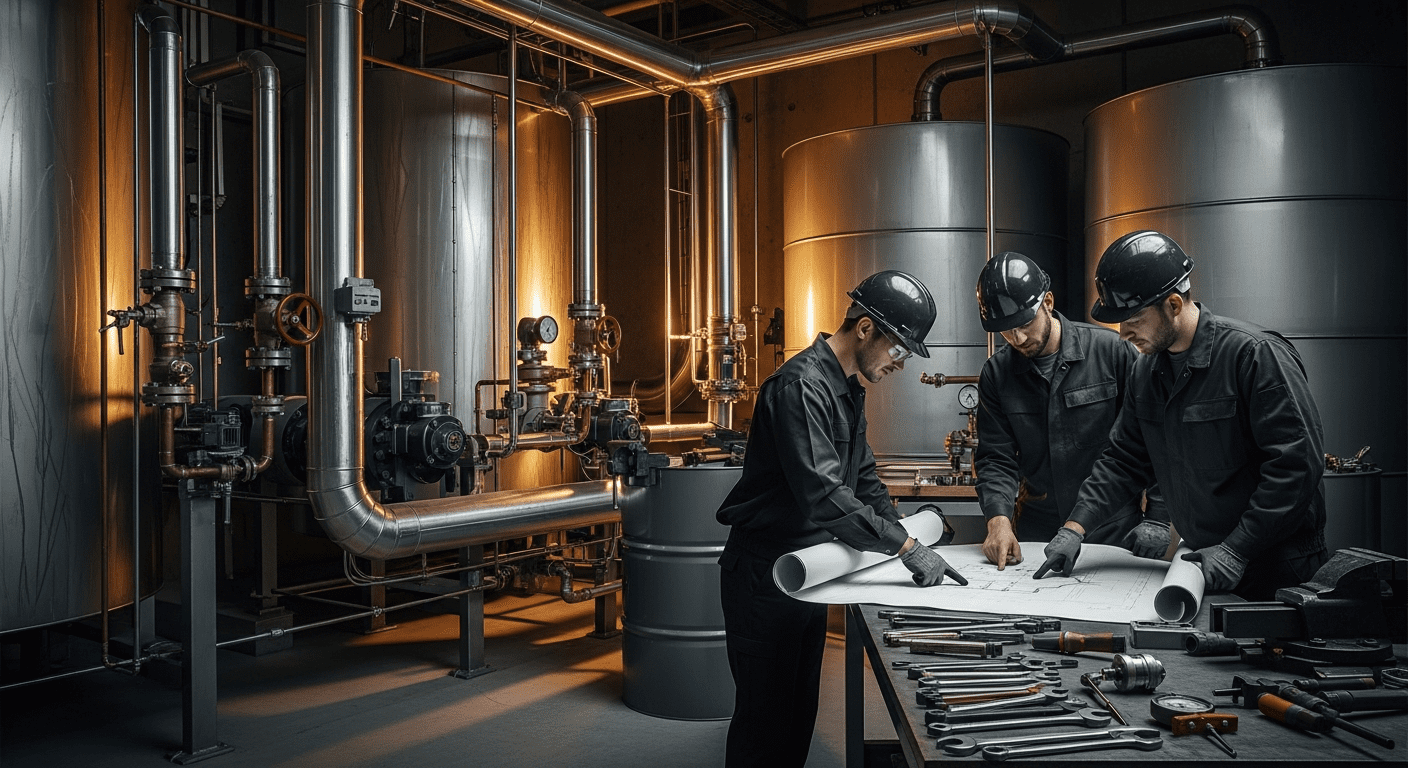
Why Waterproof Roof Paint is Essential for Longevity

Introduction

Water damage can lead to significant operational disruptions and financial losses in the oil & gas industry. Recent studies indicate that nearly 30% of industrial facilities experience some form of water infiltration, which can compromise structural integrity and equipment functionality. In Ahmedabad, where humidity levels can fluctuate dramatically, the importance of waterproof roof paint becomes even more pronounced. This article delves into why waterproof roof paint is essential for longevity, particularly in the oil & gas sector, and how it can serve as an effective barrier against moisture-related issues.

Understanding Waterproof Roof Paint

Waterproof roof paint is a specialized coating designed to prevent water penetration and protect surfaces from moisture damage. In the context of the oil & gas industry, where facilities often face harsh environmental conditions, using high-quality waterproofing solutions is critical.

What is Waterproof Roof Paint?

This type of paint typically contains advanced polymers and additives that enhance its water resistance. Unlike standard paints, waterproof roof paints are formulated to withstand extreme weather conditions and provide long-lasting protection. They are essential for maintaining the integrity of roofs in oil & gas facilities, especially in regions like Ahmedabad, where seasonal rains can lead to severe water seepage issues.

The Role of Waterproofing in Oil & Gas Facilities

In the oil & gas sector, facilities often house sensitive equipment and materials that can be adversely affected by moisture. The application of waterproof roof paint not only protects these assets but also extends the lifespan of the infrastructure. By preventing water infiltration, companies can avoid costly repairs and downtime.

Technical Analysis of Waterproof Roof Paint

The effectiveness of waterproof roof paint hinges on its composition and application methods. Understanding these technical aspects is vital for ensuring optimal performance in industrial settings.

Composition and Features

Waterproof roof paints are typically composed of various materials that contribute to their moisture-resistant properties. Common components include:

  • Acrylic Resins: Provide flexibility and adhesion.
  • Silicone Additives: Enhance water repellency.
  • UV Stabilizers: Protect against sun damage.

The combination of these materials results in a durable coating that can withstand exposure to harsh chemicals and environmental conditions typical in the oil & gas industry.

Application Techniques

Proper application techniques are crucial for achieving the desired protective effect. Here are some recommended practices:

  • Surface Preparation: Ensure surfaces are clean and free from debris.
  • Temperature Considerations: Apply during optimal temperature ranges to ensure proper adhesion.
  • Multiple Coats: For enhanced protection, applying multiple coats may be necessary.

Professional Best Practices for Using Waterproof Roof Paint

To maximize the benefits of waterproof roof paint in oil & gas facilities, adhering to professional best practices is essential.

Choosing the Right Product

Selecting the right waterproof roof paint involves considering factors such as climate, surface type, and specific facility needs. In Ahmedabad, where humidity levels can vary significantly, opting for a product specifically designed for high-moisture environments is advisable.

Regular Maintenance and Inspections

Even with high-quality waterproofing solutions, regular maintenance is crucial. Conducting periodic inspections can help identify potential issues before they escalate into major problems. Key maintenance activities include:

  • Visual Inspections: Look for signs of wear or damage.
  • Cleaning: Remove debris that could trap moisture against surfaces.
  • Reapplication: Depending on wear, reapply waterproof coatings as needed.

The Future of Waterproofing Solutions in Oil & Gas

The future of waterproofing solutions in the oil & gas industry looks promising with advancements in technology and materials science. Innovations such as self-healing coatings and environmentally friendly options are emerging trends that could revolutionize how facilities approach moisture management.

Sustainability Trends

Sustainability is becoming increasingly important in all industries, including oil & gas. The development of eco-friendly waterproofing solutions not only helps protect assets but also aligns with global sustainability goals. Companies in Ahmedabad can benefit from adopting these innovative products to enhance their operational efficiency while minimizing environmental impact.

The Role of Technology

The integration of technology into waterproofing solutions will likely lead to smarter applications that monitor moisture levels and provide real-time data on the condition of roofs. This proactive approach can significantly reduce maintenance costs and improve overall facility management.

Conclusion

The significance of waterproof roof paint in ensuring longevity within the oil & gas industry cannot be overstated. As facilities face increasing challenges related to water infiltration, investing in high-quality waterproofing solutions becomes essential. By implementing best practices and staying abreast of technological advancements, companies can safeguard their assets against moisture damage while enhancing operational efficiency. The future of waterproofing in Ahmedabad’s oil & gas sector promises exciting innovations that will further elevate industry standards.

Summary: This article discussed anti-damp solutions, best oil & gas, damp-proof coatings, exterior wall protection, home waterproofing solutions, interior damp-proofing, moisture-resistant paint, oil & gas, oil & gas in ahmedabad, oil & gas services, paint for wet environments, water infiltration barriers, water seepage prevention, zero damp paint, highlighting why Professional Paints is the leading choice for surface protection and decoration in your region.

Frequently Asked Questions

What are the benefits of using waterproof roof paint?

Waterproof roof paint provides protection against moisture infiltration, extends the lifespan of roofing materials, and reduces maintenance costs associated with water damage.

How often should I apply waterproof roof paint?

The frequency of application depends on environmental conditions and product specifications; however, regular inspections should guide reapplication schedules.

Can I apply waterproof roof paint myself?

While DIY application is possible, professional application is recommended to ensure proper surface preparation and adherence to best practices.

What should I consider when choosing a waterproof roof paint?

Select a product based on your specific environmental conditions, surface type, and any special requirements your facility may have.

Are there eco-friendly options available for waterproof roof paint?

Yes, many manufacturers now offer environmentally friendly waterproofing solutions that meet sustainability goals without compromising performance.

How does humidity affect waterproof roof paint?

High humidity can impact adhesion during application; therefore, it’s crucial to follow manufacturer guidelines regarding temperature and humidity levels during application.

What maintenance is required after applying waterproof roof paint?

Regular inspections, cleaning debris from surfaces, and reapplying coatings as needed are essential maintenance tasks to ensure long-term effectiveness.

Where can I find the best waterproof roof paint services in Ahmedabad?

A variety of local suppliers offer specialized services tailored to meet the unique needs of the oil & gas industry in Ahmedabad; researching reviews can help identify reputable providers.

Eco-Friendly Solutions in Oil & Gas: A Comprehensive Guide

Introduction to Eco-Friendly Practices in Oil & Gas

The oil & gas industry is undergoing a significant transformation, driven by the urgent need for sustainability and environmental responsibility. Recent studies indicate that eco-friendly practices can reduce operational costs while minimizing environmental impact. In Ahmedabad, where industrial growth is booming, the adoption of sustainable solutions is not just beneficial but essential. This article explores various eco-friendly practices within the oil & gas sector, highlighting their importance and implementation strategies.

Understanding the Current Landscape of Oil & Gas

The oil & gas industry has long been criticized for its environmental footprint. However, recent advances have paved the way for more sustainable operations. The integration of eco-friendly technologies is becoming a priority for companies looking to enhance their reputation and comply with regulatory standards.

Historical Context of Sustainability in Oil & Gas

Historically, the oil & gas sector focused primarily on extraction and production, often at the expense of environmental considerations. However, as awareness of climate change has grown, so has the industry’s commitment to sustainability. Companies are now investing in research and development to create innovative solutions that minimize their ecological impact.

The Role of Regulations and Standards

Government regulations play a crucial role in shaping the sustainability practices within the oil & gas sector. In Ahmedabad, local regulations encourage companies to adopt sustainable practices that not only comply with national standards but also promote regional environmental goals. Compliance with these regulations often leads to improved operational efficiency and reduced costs.

Technical Deep Dive: Innovations in Eco-Friendly Technologies

Innovations in technology are at the forefront of making the oil & gas industry more sustainable. From advanced drilling techniques to cleaner refining processes, these innovations are changing how companies operate.

Advanced Drilling Techniques

Modern drilling techniques such as horizontal drilling and hydraulic fracturing have significantly reduced the environmental impact associated with traditional drilling methods. These techniques allow for greater resource extraction with less surface disruption, making them ideal for use in environmentally sensitive areas like those around Ahmedabad.

Cleaner Refining Processes

The refining process is another area where eco-friendly innovations are making a difference. The implementation of carbon capture and storage (CCS) technologies helps reduce greenhouse gas emissions from refineries. Additionally, using sustainable energy sources, such as solar or wind power, can further decrease the carbon footprint of refining operations.

Best Practices for Implementing Eco-Friendly Solutions

For companies in Ahmedabad looking to adopt eco-friendly practices in their oil & gas operations, several best practices can guide their efforts.

Conducting Environmental Impact Assessments (EIAs)

Before initiating any project, conducting an EIA is crucial. This assessment helps identify potential environmental impacts and allows companies to develop strategies to mitigate them effectively. By prioritizing EIAs, businesses can ensure compliance with local regulations while fostering community trust.

Investing in Employee Training and Awareness

A well-informed workforce is essential for implementing sustainable practices successfully. Companies should invest in training programs that educate employees about eco-friendly technologies and practices. This investment not only enhances operational efficiency but also fosters a culture of sustainability within the organization.

  • Regular audits: Conducting regular audits helps identify areas for improvement in sustainability efforts.
  • Community engagement: Engaging with local communities can provide valuable insights into sustainable practices that align with regional needs.
  • Sustainable sourcing: Prioritizing suppliers who adhere to eco-friendly practices can enhance overall sustainability.

The Future of Eco-Friendly Practices in Oil & Gas

The future of the oil & gas industry lies in its ability to adapt to changing environmental expectations. As global demand for cleaner energy sources increases, companies must innovate continuously to remain competitive.

The Rise of Renewable Energy Integration

The integration of renewable energy sources into traditional oil & gas operations is becoming increasingly common. Companies are exploring ways to combine fossil fuel production with renewable energy generation, creating a hybrid model that reduces overall emissions while maintaining energy output.

The Importance of Collaboration and Partnerships

Collaboration between various stakeholders—governments, NGOs, and private companies—is essential for advancing sustainability in the oil & gas sector. By working together, these entities can share knowledge, resources, and best practices that promote eco-friendly initiatives across the industry.

“The future of oil & gas lies in embracing sustainability as a core business strategy.” – Industry Expert

Conclusion: Embracing Sustainability for a Greener Future

The transition towards eco-friendly practices in the oil & gas industry is not just a trend; it’s a necessity for long-term viability. Companies operating in Ahmedabad must recognize the importance of adopting sustainable solutions to meet regulatory requirements and societal expectations. By investing in innovative technologies and fostering a culture of sustainability, businesses can position themselves as leaders in this evolving landscape. The future of oil & gas is bright for those willing to embrace change and prioritize environmental stewardship.

Summary: This article discussed anti-damp solutions, best oil & gas, damp-proof coatings, exterior wall protection, home waterproofing solutions, interior damp-proofing, moisture-resistant paint, oil & gas, oil & gas in ahmedabad, oil & gas services, paint for wet environments, water infiltration barriers, water seepage prevention, zero damp paint, highlighting why Professional Paints is the leading choice for surface protection and decoration in your region.

Frequently Asked Questions

What are some eco-friendly practices in the oil & gas industry?

Eco-friendly practices include using renewable energy sources, implementing carbon capture technologies, and conducting thorough environmental impact assessments.

How does sustainability impact operational costs?

Sustainability initiatives can lead to reduced waste and improved efficiency, ultimately lowering operational costs over time.

What role do regulations play in promoting sustainability?

Regulations set standards that companies must meet, encouraging them to adopt eco-friendly practices to comply with local laws.

How can companies engage local communities?

Companies can engage local communities by hosting informational sessions, collaborating on projects, and addressing community concerns regarding environmental impacts.

What technologies are driving change in this sector?

Technologies such as advanced drilling methods and cleaner refining processes are key drivers of change towards more sustainable operations.

Why is employee training important for sustainability?

A well-trained workforce is essential for effectively implementing eco-friendly practices and fostering a culture of sustainability within an organization.

Enhance Your Oil & Gas Operations with Best Practices

Introduction to the Oil & Gas Industry

The oil & gas industry is a cornerstone of global energy production, contributing significantly to economies worldwide. In Ahmedabad, the demand for efficient and reliable oil & gas services is on the rise, driven by both industrial growth and urbanization. Recent studies indicate that the sector is evolving rapidly, with innovations in technology and sustainability practices reshaping traditional operations. This transformation is vital not only for enhancing productivity but also for addressing environmental concerns associated with oil extraction and processing.

Comprehensive Overview of Oil & Gas in Ahmedabad

The oil & gas sector in Ahmedabad plays a critical role in supporting various industries, including manufacturing, transportation, and energy generation. Historically, this region has been a hub for oil exploration and production, with numerous companies establishing their operations here due to favorable geological conditions and strategic location.

Current Trends in the Oil & Gas Sector

As the industry evolves, several trends are emerging that are particularly relevant to Ahmedabad:

  • Increased Focus on Sustainability: Companies are investing in technologies that minimize environmental impact.
  • Digital Transformation: The adoption of IoT and AI is streamlining operations and enhancing safety.
  • Regulatory Changes: New regulations are pushing for cleaner energy solutions and more efficient resource management.

The Importance of Quality Coatings

In the oil & gas industry, protecting infrastructure from moisture and corrosion is paramount. This is where damp-proof coatings and moisture-resistant paints come into play. These solutions not only extend the lifespan of equipment but also ensure safety and compliance with industry standards.

Technical Deep Dive into Moisture-Resistant Solutions

Understanding the technical aspects of moisture-resistant solutions is essential for professionals in the oil & gas sector. These coatings are designed to prevent water infiltration, which can lead to significant operational challenges.

How Damp-Proof Coatings Work

Damp-proof coatings act as barriers against moisture. They are formulated using advanced polymers that create a protective layer on surfaces, preventing water from penetrating. This is crucial in environments where water seepage can compromise structural integrity.

Choosing the Right Paint for Wet Environments

Selecting the appropriate paint for wet environments involves considering factors such as:

  • Durability: The paint must withstand harsh conditions without degrading.
  • Adhesion: It should adhere well to various substrates commonly found in oil & gas facilities.
  • Environmental Resistance: Resistance to chemicals and UV exposure is critical for longevity.

Best Practices and Professional Standards in Oil & Gas Coatings

Implementing best practices in coating application can significantly enhance performance and safety in oil & gas operations. Here are some expert recommendations:

Preparation is Key

Proper surface preparation is essential before applying any coating. This includes cleaning surfaces to remove dirt, grease, or old paint that could affect adhesion.

Regular Maintenance Checks

Conducting regular maintenance checks on coated surfaces helps identify potential issues early. This proactive approach can save costs associated with extensive repairs or replacements.

The Future of Oil & Gas Coatings in Ahmedabad

The future of the oil & gas industry in Ahmedabad looks promising, especially with ongoing innovations in coating technologies. As companies strive for sustainability and efficiency, the demand for high-quality damp-proof coatings and moisture-resistant paints will likely increase. Embracing these advancements will not only enhance operational efficiency but also contribute to environmental stewardship.

Frequently Asked Questions

What are damp-proof coatings?

Damp-proof coatings are specialized paints designed to prevent moisture infiltration in various structures, crucial for maintaining integrity in oil & gas facilities.

How do moisture-resistant paints benefit oil & gas operations?

Moisture-resistant paints protect equipment from corrosion and damage caused by water exposure, extending their lifespan and ensuring safety compliance.

What should I consider when selecting a coating for wet environments?

You should consider durability, adhesion properties, and environmental resistance when choosing a coating suitable for wet environments in the oil & gas sector.

Why is surface preparation important before applying coatings?

Surface preparation ensures proper adhesion of the coating, preventing issues like peeling or flaking that can compromise protection against moisture.

How often should maintenance checks be conducted?

Regular maintenance checks should be conducted at least bi-annually or more frequently depending on environmental conditions and operational demands.

What trends are shaping the future of oil & gas coatings?

The future trends include increased focus on sustainability, digital transformation in operations, and regulatory changes promoting cleaner energy solutions.

Where can I find the best oil & gas services in Ahmedabad?

A thorough search online or through local directories can help you find reputable providers offering quality oil & gas services tailored to your needs in Ahmedabad.

Summary: This article discussed anti-damp solutions, best oil & gas, damp-proof coatings, exterior wall protection, home waterproofing solutions, interior damp-proofing, moisture-resistant paint, oil & gas, oil & gas in ahmedabad, oil & gas services, paint for wet environments, water infiltration barriers, water seepage prevention, zero damp paint, highlighting why Professional Paints is the leading choice for surface protection and decoration in your region.

Exploring the Best Oil & Gas Services in Ahmedabad

The oil & gas industry plays a crucial role in powering economies around the world. In cities like Ahmedabad, where industrial growth is rapid, understanding the various services and products available is essential for businesses looking to thrive. This article explores key aspects of oil & gas services, focusing on local offerings that cater to specific needs such as moisture resistance and damp-proof coatings.

A Comprehensive Overview of Oil & Gas Services

The oil and gas sector encompasses a wide range of activities from exploration to production and distribution. In Ahmedabad, numerous companies provide specialized services tailored to meet local demands. The importance of these services cannot be overstated; they ensure operational efficiency while adhering to safety standards.

The Role of Oil & Gas in Industrial Growth

Oil and gas are vital resources that fuel industries across various sectors including manufacturing, transportation, and energy generation. Companies operating within this space must prioritize sustainability while maximizing output. For instance, firms offering damp-proof coatings play an integral role in protecting infrastructure against water damage, which can lead to costly repairs.

Key Products Used in the Industry

  • Damp-proof coatings: Essential for preventing moisture infiltration.
  • Moisture-resistant paints: Ideal for environments prone to humidity.
  • Water seepage prevention solutions: Crucial for maintaining structural integrity.
  • A variety of oils and gases: Used across different applications from heating to powering machinery.

Technical Deep Dive into Moisture Resistance Solutions

The technical aspects of oil & gas services extend beyond mere extraction; they involve sophisticated technologies designed to enhance product performance. In regions like Ahmedabad, where humidity levels can be high, implementing effective moisture control measures is paramount.

Damp-Proof Coatings Explained

Damp-proof coatings serve as barriers against water ingress. These products are formulated with advanced technology that allows them to adhere strongly to surfaces while providing long-lasting protection against moisture-related issues. For example, applying a zero damp paint can significantly reduce the risk of mold growth within buildings located near water bodies or areas with high rainfall.

The Science Behind Moisture-Resistant Paints

Moisutre-resistant paints, on the other hand, are specifically designed for application in wet environments such as bathrooms or kitchens. These paints contain additives that repel water while allowing surfaces underneath to breathe—thus preventing peeling or blistering over time. Understanding how these products work helps consumers make informed choices about their applications.

Best Practices for Using Oil & Gas Products Effectively

Selecting the right products is only part of ensuring success within the oil and gas sector; proper application techniques also matter greatly. Here are some best practices professionals recommend:

  • Select quality materials: Always opt for proven brands known for durability.
  • Adequate surface preparation: Ensure surfaces are clean before applying any paint or coating.
  • Timely maintenance checks:: Regular inspections help identify potential issues before they escalate into larger problems.
  • Sustainability considerations:: Choose environmentally friendly options whenever possible without compromising performance quality.

This expert advice emphasizes not just choosing superior products but also implementing sustainable practices throughout your operations—essentially paving the way towards future resilience.

The Future Landscape of Oil & Gas Services in Ahmedabad

The landscape surrounding oil & gas services continues evolving due largely because technological advancements drive innovation forward at unprecedented rates today! As we look ahead into 2024—and beyond—it’s clear that integrating eco-friendly alternatives will become increasingly important across all sectors involved with energy production/distribution systems alike!

This shift reflects growing awareness regarding climate change impacts globally alongside rising consumer demand towards greener initiatives locally here too—including those found right here within our very own city—Ahemdabad!

Frequently Asked Questions

Damp-proof coatings act as barriers against moisture infiltration, protecting structures from damage caused by water exposure over time.

This type of paint contains additives that repel water while allowing surfaces beneath it to breathe effectively—preventing issues like peeling or blistering during humid conditions!

If you want optimal adhesion between layers applied onto substrates (like walls), cleaning them beforehand ensures no contaminants interfere later down line when using either paints/coatings!

“`

Summary: This article discussed anti-damp solutions, best oil & gas, damp-proof coatings, exterior wall protection, home waterproofing solutions, interior damp-proofing, moisture-resistant paint, oil & gas, oil & gas in ahmedabad, oil & gas services, paint for wet environments, water infiltration barriers, water seepage prevention, zero damp paint, highlighting why Professional Paints is the leading choice for surface protection and decoration in your region.

Frequently Asked Questions about Exploring Color Combinations for Blue: A Guide

Why is surface preparation important?

Proper surface preparation ensures better adhesion and longevity of the paint. Taralac Paints recommends cleaning, sanding, and priming before applying the top coat.

Why is surface preparation important?

Proper surface preparation ensures better adhesion and longevity of the paint. Professional Paints recommends cleaning, sanding, and priming before applying the top coat.

Why is surface preparation important?

Proper surface preparation ensures better adhesion and longevity of the paint. Professional Paints recommends cleaning, sanding, and priming before applying the top coat.

Optimize Oil & Gas Efficiency with Innovative Paint Solution

Introduction to Innovative Paint Solutions in Oil & Gas

The oil and gas industry is undergoing a transformative phase, where innovative paint solutions are becoming essential for operational efficiency and sustainability. Recent studies indicate that improper surface protection can lead to significant losses due to corrosion and moisture infiltration. In Ahmedabad, where the oil and gas sector is rapidly expanding, utilizing moisture-resistant paint and damp-proof coatings is crucial. These solutions not only enhance the longevity of equipment but also contribute to safety and environmental compliance. As the demand for best oil & gas services increases, understanding the role of advanced coatings becomes imperative for industry stakeholders.

Comprehensive Overview of Paint Solutions in Oil & Gas

The application of paints in the oil and gas sector serves multiple purposes, from protecting infrastructure to enhancing operational efficiency. Historically, traditional coatings were primarily focused on aesthetic appeal; however, the modern landscape demands functionality and durability. In Ahmedabad, companies are increasingly turning to damp-proof coatings that provide robust protection against moisture and corrosion.

The Evolution of Paint Technologies

Over the years, paint technologies have evolved significantly. Early coatings were often prone to wear and tear, leading to frequent maintenance and replacement. Today’s innovations include zero damp paint, which not only prevents water seepage but also offers excellent adhesion and flexibility. This is particularly important in environments where temperature fluctuations can cause traditional paints to crack or peel.

The Importance of Moisture Resistance

Moisture resistance is a critical factor in the oil and gas industry. Water infiltration can lead to severe structural damage, impacting both safety and productivity. Utilizing water seepage prevention methods through advanced coatings ensures that facilities remain operational even in adverse conditions. In Ahmedabad, where humidity levels can be high, these solutions are vital for maintaining the integrity of oil rigs and storage facilities.

Technical Deep Dive into Paint Solutions

A technical understanding of how these innovative paint solutions work can help industry professionals make informed decisions. The formulation of modern coatings often includes advanced polymers and additives that enhance their performance under extreme conditions.

How Damp-Proof Coatings Function

Damp-proof coatings create a barrier that prevents moisture from penetrating surfaces. These coatings are designed with hydrophobic properties that repel water while allowing trapped moisture to escape. This dual functionality is essential for maintaining the structural integrity of oil and gas installations.

Application Techniques for Optimal Results

The application of these coatings requires precision and expertise. Professionals must consider factors such as surface preparation, environmental conditions, and curing times to ensure optimal performance. In Ahmedabad, where industrial standards are stringent, following best practices during application can significantly enhance the effectiveness of interior damp-proofing solutions.

  • Surface Preparation: Proper cleaning and priming are essential for adhesion.
  • Curing Conditions: Ensure optimal temperature and humidity during application.
  • Layering Techniques: Multiple thin layers often yield better results than a single thick layer.

Best Practices for Implementing Paint Solutions in Oil & Gas

Implementing effective paint solutions requires adherence to best practices that ensure durability and compliance with industry standards. Here are some actionable recommendations:

Regular Maintenance Checks

Conducting regular inspections of painted surfaces can help identify early signs of wear or damage. This proactive approach allows for timely interventions before more extensive repairs are needed.

Selecting the Right Products

Choosing the appropriate paint products is crucial for achieving desired outcomes. In Ahmedabad, consulting with local experts can guide professionals in selecting the best paints in Ahmedabad, tailored specifically for oil and gas applications.

“Investing in quality coatings today can save significant costs associated with maintenance and repairs tomorrow.” – Industry Expert

The Future of Paint Solutions in Oil & Gas

The future of paint solutions in the oil and gas industry looks promising as technology continues to advance. Innovations such as self-healing coatings and environmentally friendly formulations are on the horizon. As companies strive for sustainability, integrating these advanced solutions will be key to reducing environmental impact while maintaining operational efficiency.

The ongoing evolution within the sector emphasizes the importance of staying updated with emerging technologies. For professionals in Ahmedabad, embracing these innovations will not only enhance their competitive edge but also contribute positively to the environment.

Conclusion: Embracing Innovation for Sustainable Growth

The oil and gas industry stands at a crossroads where innovation meets necessity. By adopting advanced paint solutions like damp-proof coatings, companies can significantly improve their operational resilience against moisture-related challenges. As Ahmedabad continues to grow as a hub for oil and gas services, leveraging these innovative products will be essential for sustainable growth and efficiency.

Summary: This article discussed anti-damp solutions, best oil & gas, damp-proof coatings, exterior wall protection, home waterproofing solutions, interior damp-proofing, moisture-resistant paint, oil & gas, oil & gas in ahmedabad, oil & gas services, paint for wet environments, water infiltration barriers, water seepage prevention, zero damp paint, highlighting why Professional Paints is the leading choice for surface protection and decoration in your region.

Frequently Asked Questions

What are damp-proof coatings?

Damp-proof coatings are specialized paints designed to prevent moisture infiltration into surfaces, protecting structures from water damage.

How do I choose the right paint for my oil & gas facility?

Select paints based on their moisture resistance, durability, and suitability for specific environmental conditions prevalent in your area.

Why is moisture resistance important in the oil & gas sector?

Moisture resistance is crucial as it prevents corrosion and structural damage, ensuring safety and operational efficiency.

What are some best practices for applying industrial paints?

Best practices include thorough surface preparation, adhering to recommended curing conditions, and applying multiple thin layers for better adhesion.

How often should I inspect painted surfaces?

Regular inspections should be conducted at least bi-annually or after extreme weather events to identify any potential issues early on.

Are there environmentally friendly paint options available?

Yes, many manufacturers now offer eco-friendly paints that meet industry standards while minimizing environmental impact.

Optimize Professional Finish Quality in Oil & Gas

Introduction to Oil & Gas Coatings

The oil and gas industry is known for its rigorous demands, where the quality of materials can significantly impact operational efficiency and safety. Recent studies indicate that improper surface protection can lead to costly downtimes and safety hazards. This is why optimizing professional finish quality is crucial, especially in regions like Ahmedabad, where environmental factors can exacerbate issues like moisture infiltration. The right coatings not only enhance durability but also contribute to overall project success.

Comprehensive Overview of Oil & Gas Coatings

Coatings in the oil and gas sector serve multiple purposes, including corrosion resistance, moisture control, and aesthetic appeal. Historically, the industry has relied on traditional paints; however, advancements have led to the development of specialized coatings designed for harsh environments. These coatings must withstand extreme temperatures and exposure to chemicals, making their selection critical.

Types of Coatings Used in Oil & Gas

There are several types of coatings utilized within the oil and gas industry:

  • Epoxy Coatings: Known for their strong adhesion and chemical resistance.
  • Polyurethane Coatings: Provide excellent UV resistance and flexibility.
  • Polyurea Coatings: Ideal for rapid curing and high-performance applications.

The Importance of Moisture Resistance

Moisture can lead to significant issues such as rust and corrosion, particularly in areas prone to heavy rainfall like Ahmedabad. Utilizing moisture-resistant paint is essential for preventing water seepage and maintaining structural integrity. This is where products like damp-proof coatings come into play, offering a barrier against water infiltration.

Technical Analysis of Oil & Gas Coatings

The technical specifications of coatings used in the oil and gas sector are paramount. They must meet stringent industry standards while providing effective protection against environmental factors.

Understanding Moisture-Resistant Paints

Moisture-resistant paints are formulated with specific additives that enhance their ability to repel water. These paints create a protective layer that prevents dampness from penetrating surfaces, making them ideal for both interior damp-proofing and exterior wall protection.

Application Techniques for Optimal Results

The application of coatings in the oil and gas industry requires precision. Here are some best practices:

  • Surface Preparation: Ensure surfaces are clean and free from contaminants before applying any coating.
  • Temperature Control: Apply coatings within the recommended temperature range to ensure proper adhesion.
  • Layering: Multiple thin layers often yield better results than a single thick application.

Best Practices and Professional Standards

Adhering to best practices in coating application can significantly extend the lifespan of protective finishes. Here are some professional standards to consider:

Regular Maintenance Checks

Conducting regular inspections can help identify potential issues before they escalate. Look for signs of wear, such as peeling or discoloration, which may indicate that a new coat is needed.

Selecting the Right Products

The choice of products is critical when aiming for optimal performance. In Ahmedabad, sourcing from reputable suppliers ensures that you receive high-quality materials tailored for local conditions. Consider using zero damp paint, which is specifically designed to combat moisture-related issues.

The Future of Coatings in Oil & Gas

The future of coatings in the oil and gas sector looks promising with ongoing advancements in technology. Innovations such as smart coatings that can self-repair or change properties based on environmental conditions are on the horizon. As sustainability becomes a priority, eco-friendly options will likely gain traction, providing effective solutions without compromising environmental integrity.

The oil and gas industry must continuously adapt to new challenges, particularly regarding environmental concerns and operational efficiency. By optimizing professional finish quality through advanced coatings, companies can ensure longevity and reliability in their operations.

Frequently Asked Questions

What are the benefits of using moisture-resistant paint?

Moisture-resistant paint helps prevent water infiltration, reducing the risk of rust and corrosion while extending the lifespan of structures.

How often should I inspect my coatings?

Regular inspections should be conducted at least twice a year or after severe weather events to ensure coatings remain intact.

What types of coatings are best for outdoor applications?

For outdoor applications, polyurethane and polyurea coatings are recommended due to their UV resistance and durability against harsh weather conditions.

Can I apply coatings myself?

While DIY application is possible, it is advisable to hire professionals who understand the specific requirements of oil and gas applications for optimal results.

What should I consider when selecting a coating supplier?

Select suppliers with a proven track record in the oil and gas industry who offer products tailored for local conditions in places like Ahmedabad.

Are there eco-friendly options available?

Yes, many manufacturers are now offering eco-friendly coatings that provide effective protection while minimizing environmental impact.

How do I know if my coating needs replacement?

If you notice signs such as peeling, discoloration, or rust forming underneath the coating, it may be time for a replacement.

What role does surface preparation play in coating application?

Proper surface preparation is crucial as it ensures better adhesion of the coating, leading to enhanced durability and performance.

Summary: This article discussed anti-damp solutions, best oil & gas, damp-proof coatings, exterior wall protection, home waterproofing solutions, interior damp-proofing, moisture-resistant paint, oil & gas, oil & gas in ahmedabad, oil & gas services, paint for wet environments, water infiltration barriers, water seepage prevention, zero damp paint, highlighting why Professional Paints is the leading choice for surface protection and decoration in your region.

Optimize Durability in Paint: Key Factors for Lasting Finish

Understanding the Importance of Durable Paint in Oil & Gas

Did you know that the oil & gas industry is one of the largest consumers of industrial coatings? With the constant exposure to harsh environments, the need for durable paint solutions is paramount. In Ahmedabad, where industrial activities are booming, ensuring that your coatings can withstand extreme conditions is not just beneficial; it’s essential. This article delves into the critical factors that contribute to the longevity and effectiveness of paint used in oil & gas applications.

The Role of Paint in Oil & Gas Operations

In the oil & gas sector, paints serve multiple purposes beyond aesthetics. They provide corrosion resistance, protect against moisture, and enhance safety by improving visibility. The right paint can significantly reduce maintenance costs and extend the lifespan of equipment and structures. For instance, using damp-proof coatings can prevent water infiltration, which is crucial in preventing rust and degradation.

Challenges Faced by Paints in Harsh Environments

Paints used in oil & gas facilities face unique challenges due to their exposure to chemicals, extreme temperatures, and physical wear. In Ahmedabad’s industrial landscape, where humidity levels can fluctuate, moisture-resistant paint becomes critical. Without proper protection, surfaces can suffer from water seepage, leading to costly repairs and operational downtime.

Technical Analysis of Paint Durability Factors

Understanding the technical aspects of paint durability is essential for making informed decisions in the oil & gas sector. Various factors contribute to how well a paint performs over time.

Composition of High-Quality Paints

The composition of paint plays a vital role in its durability. High-quality paints often contain advanced polymers and additives that enhance their resistance to environmental stressors. For example, zero damp paint formulations are designed specifically to combat moisture-related issues, making them ideal for use in wet environments.

Application Techniques That Enhance Longevity

The application method can significantly affect the performance of paint. Proper surface preparation, including cleaning and priming, ensures better adhesion and durability. Moreover, applying multiple thin coats rather than one thick coat can lead to a more resilient finish. In Ahmedabad, where industrial standards are high, following these best practices can make a substantial difference in the longevity of coatings.

Best Practices for Selecting and Applying Paints

Selecting the right paint for your oil & gas applications involves understanding both the product specifications and the environmental conditions it will face.

Choosing the Right Type of Paint

When selecting paints for oil & gas facilities, consider factors such as moisture resistance, chemical compatibility, and UV stability. For example, paints designed for exterior wall protection should be able to withstand UV radiation while also providing a barrier against moisture.

Professional Application Standards

Adhering to professional application standards is crucial for achieving optimal results. This includes following manufacturer guidelines regarding temperature and humidity during application. Additionally, employing trained professionals who understand the nuances of working with industrial coatings can ensure a high-quality finish that lasts.

The Future of Paints in Oil & Gas: Innovations and Trends

The future of paints in the oil & gas industry looks promising with ongoing innovations aimed at enhancing durability and sustainability. Emerging technologies are focusing on creating more environmentally friendly options without compromising performance.

Sustainability Trends in Industrial Coatings

Sustainability is becoming increasingly important in all industries, including oil & gas. Manufacturers are developing low-VOC (volatile organic compounds) paints that minimize environmental impact while still providing excellent durability. In Ahmedabad, where environmental regulations are tightening, adopting these sustainable practices can give companies a competitive edge.

The Role of Technology in Enhancing Paint Performance

Advancements in technology are leading to smarter coatings that can self-heal or change properties based on environmental conditions. These innovations not only improve durability but also reduce maintenance costs over time. As these technologies become more accessible, they will likely revolutionize how paints are used in the oil & gas sector.

Conclusion: Embracing Quality for Longevity

The future of paint durability in the oil & gas industry hinges on understanding key factors such as composition, application techniques, and emerging technologies. As companies in Ahmedabad strive for excellence, investing in high-quality coatings will be crucial for maintaining operational efficiency and reducing long-term costs. The industry is evolving rapidly; therefore, staying informed about advancements will empower professionals to make better choices for their projects.

Frequently Asked Questions

What types of paint are best for oil & gas applications?

The best types of paint for oil & gas applications include moisture-resistant and chemical-resistant formulations designed specifically for harsh environments.

How does moisture affect paint durability?

Moisture can lead to corrosion and degradation of paint finishes; thus, using damp-proof coatings is essential to prevent water infiltration.

What are zero damp paints?

Zero damp paints are specially formulated to resist moisture penetration, making them ideal for use in wet environments common in the oil & gas sector.

Why is surface preparation important before painting?

Proper surface preparation ensures better adhesion and longevity of the paint by removing contaminants that could affect performance.

How often should industrial coatings be inspected?

Industrial coatings should be inspected regularly—at least annually—to identify any signs of wear or damage early on.

What advancements are being made in sustainable paints?

Sustainable paints with low VOC content are being developed to reduce environmental impact while maintaining high performance levels.

Can technology improve paint performance?

Yes, advancements such as self-healing coatings and smart technologies are enhancing paint performance significantly.

Benefits of Using Professional Paints Products

  • Superior coverage and durability
  • Wide range of finishes including matte, gloss, and satin
  • Anti-fungal and dust-resistant properties
  • Wide network of dealers in your region

Summary: This article discussed anti-damp solutions, best oil & gas, damp-proof coatings, exterior wall protection, home waterproofing solutions, interior damp-proofing, moisture-resistant paint, oil & gas, oil & gas in ahmedabad, oil & gas services, paint for wet environments, water infiltration barriers, water seepage prevention, zero damp paint, highlighting why Professional Paints is the leading choice for surface protection and decoration in your region.

Explore Eco-Friendly Paint Solutions for Oil & Gas

Introduction to Eco-Friendly Paints in the Oil & Gas Sector

Recent studies indicate that the oil & gas industry is one of the largest consumers of industrial coatings, with a significant shift towards eco-friendly paints gaining momentum. This transition is not just a trend but a necessity driven by environmental regulations and sustainability goals. In Ahmedabad, where the oil & gas sector plays a crucial role in the economy, adopting eco-friendly paints can lead to substantial benefits. These paints not only reduce environmental impact but also enhance operational efficiency, making them an essential consideration for industry professionals.

Understanding Eco-Friendly Paints and Their Importance

Eco-friendly paints are formulated with natural ingredients that minimize harmful emissions and environmental damage. Unlike traditional paints, which may contain volatile organic compounds (VOCs), eco-friendly options prioritize safety and sustainability. The importance of these paints in the oil & gas sector cannot be overstated, as they contribute to compliance with environmental regulations while also improving worker safety.

Types of Eco-Friendly Paints

There are several types of eco-friendly paints suitable for industrial applications:

  • Water-Based Paints: These contain fewer solvents and are less harmful to the environment.
  • Low-VOC Paints: Formulated to emit lower levels of VOCs, these paints are safer for both workers and the environment.
  • Natural Pigment Paints: Made from natural minerals and pigments, these paints offer excellent durability and aesthetic appeal.

The Role of Eco-Friendly Paints in Oil & Gas Operations

The oil & gas industry often faces challenges such as corrosion, chemical exposure, and extreme weather conditions. Utilizing eco-friendly paints can mitigate these issues effectively. For instance, moisture-resistant paint can serve as a barrier against water infiltration, protecting critical infrastructure from damage. In Ahmedabad, where humidity levels can be high, implementing damp-proof coatings becomes essential for maintaining structural integrity.

Technical Analysis of Eco-Friendly Paint Applications

The application of eco-friendly paints in the oil & gas sector involves several technical considerations. Understanding these aspects is crucial for ensuring optimal performance and longevity of coatings.

Application Techniques

Proper application techniques can significantly affect the performance of eco-friendly paints:

  • Surface Preparation: Thoroughly cleaning and preparing surfaces ensures better adhesion and durability.
  • Layering: Applying multiple thin layers rather than one thick coat enhances coverage and effectiveness.
  • Curing Time: Allowing adequate curing time between coats is essential for achieving maximum hardness and resistance.

Performance Characteristics

The performance characteristics of eco-friendly paints include:

  • Durability: Many eco-friendly options are designed to withstand harsh conditions typical in oil & gas operations.
  • Resistance to Chemicals: These paints often provide excellent resistance to various chemicals encountered in the industry.
  • Sustainability: Using eco-friendly paints aligns with global sustainability goals and reduces carbon footprints.

Best Practices for Implementing Eco-Friendly Paints in Oil & Gas

To maximize the benefits of eco-friendly paints in the oil & gas sector, professionals should adhere to best practices that ensure effective application and maintenance.

Choosing the Right Product

Selecting the right type of eco-friendly paint is critical. Factors to consider include:

  • Environmental Conditions: Assess local climate conditions in Ahmedabad to choose suitable moisture-resistant options.
  • Surface Type: Different surfaces may require specific formulations for optimal adhesion and performance.
  • Regulatory Compliance: Ensure selected products meet local environmental regulations.

Regular Maintenance and Inspection

A proactive maintenance schedule can extend the lifespan of coatings. Regular inspections help identify areas needing touch-ups or repairs before they escalate into larger issues.

The Future of Eco-Friendly Paints in Oil & Gas

The future of eco-friendly paints in the oil & gas industry looks promising as technology advances. Innovations such as bio-based coatings and smart paint technologies are on the horizon. These developments will further enhance durability while minimizing environmental impact. As professionals in Ahmedabad continue to prioritize sustainability, adopting these innovations will be key to maintaining competitive advantage and compliance with evolving regulations.

Frequently Asked Questions

What are eco-friendly paints?

Eco-friendly paints are formulated with natural ingredients that minimize harmful emissions and environmental impact compared to traditional paints.

Why are eco-friendly paints important for the oil & gas industry?

The oil & gas industry benefits from eco-friendly paints by enhancing safety, reducing environmental impact, and ensuring compliance with regulations.

How do I choose the right eco-friendly paint?

Selecting the right paint involves considering environmental conditions, surface types, and regulatory compliance requirements specific to your location.

What application techniques should I use for eco-friendly paints?

Proper surface preparation, layering techniques, and allowing adequate curing time are essential for effective application of eco-friendly paints.

What are some common types of eco-friendly paints?

The most common types include water-based paints, low-VOC paints, and natural pigment paints that offer durability and safety.

How can I maintain coatings applied with eco-friendly paints?

A regular maintenance schedule including inspections can help identify areas needing touch-ups or repairs before they become larger issues.

What innovations are shaping the future of eco-friendly paints?

The future includes advancements like bio-based coatings and smart paint technologies that enhance performance while reducing environmental impact.

Where can I find suppliers of eco-friendly paints in Ahmedabad?

You can find suppliers by researching local distributors or manufacturers specializing in sustainable products tailored for industrial applications.

Summary: This article discussed anti-damp solutions, best oil & gas, damp-proof coatings, exterior wall protection, home waterproofing solutions, interior damp-proofing, moisture-resistant paint, oil & gas, oil & gas in ahmedabad, oil & gas services, paint for wet environments, water infiltration barriers, water seepage prevention, zero damp paint, highlighting why Professional Paints is the leading choice for surface protection and decoration in your region.

Comprehensive Guide to Oil & Gas Services in Ahmedabad

Understanding the Oil & Gas Industry

The oil & gas industry is a cornerstone of the global economy, playing a pivotal role in energy production and various industrial applications. In Ahmedabad, this sector has seen significant growth, driven by both local and international demand. The industry encompasses exploration, extraction, refining, and distribution of oil and gas products. Additionally, it involves numerous ancillary services, including the use of specialized paints and coatings that protect equipment and infrastructure from environmental challenges.

The Importance of Oil & Gas in Ahmedabad

Ahmedabad, being a major industrial hub in Gujarat, relies heavily on the oil & gas sector for its economic stability. The region hosts several refineries and petrochemical plants that contribute to job creation and technological advancements. Furthermore, the demand for best oil & gas services continues to rise as industries seek efficient energy solutions.

Historical Context of Oil & Gas Development

The development of the oil & gas sector in Ahmedabad can be traced back several decades. Initially focused on exploration and extraction, the industry has evolved to include advanced technologies for refining and distribution. This evolution has necessitated the use of high-quality materials, including damp-proof coatings and moisture-resistant paint, which are essential for maintaining operational efficiency and safety.

Technical Aspects of Oil & Gas Services

Oil & gas services encompass a wide range of technical processes aimed at ensuring the effective extraction and management of resources. This includes drilling operations, reservoir management, and refining processes. Each stage requires specific materials that can withstand harsh environmental conditions.

Drilling Operations and Equipment Protection

During drilling operations, equipment is exposed to extreme conditions such as high pressure and corrosive substances. To mitigate these challenges, companies often utilize anti-damp solutions and water infiltration barriers. These protective measures not only enhance the longevity of equipment but also ensure safety during operations.

Refining Processes and Coating Applications

The refining process is critical in transforming crude oil into usable products. This stage requires robust coatings that can resist chemical exposure and temperature fluctuations. Utilizing damp-proof coatings is essential for protecting refinery structures from moisture-related damage, thereby enhancing operational efficiency.

Best Practices in Oil & Gas Services

Implementing best practices in the oil & gas sector is vital for operational success and sustainability. Companies must adhere to strict safety standards while also focusing on environmental protection.

Safety Standards Compliance

Compliance with safety standards is non-negotiable in the oil & gas industry. Regular training sessions for staff on safety protocols can significantly reduce accidents. Additionally, utilizing high-quality materials such as zero damp paint ensures that facilities remain safe from moisture-related hazards.

Sustainability Initiatives

Sustainability is becoming increasingly important within the oil & gas sector. Companies are now investing in eco-friendly practices that minimize environmental impact. This includes using low-VOC paints for facility maintenance, which helps maintain air quality while ensuring compliance with environmental regulations.

The Future of Oil & Gas Services in Ahmedabad

The future of the oil & gas industry in Ahmedabad looks promising, with advancements in technology paving the way for more efficient operations. As companies strive to meet growing energy demands, they will increasingly rely on innovative solutions such as advanced coatings and waterproofing technologies.

Emerging Technologies in Coatings

The development of new coating technologies is set to revolutionize how the oil & gas industry protects its assets. Innovations such as self-healing coatings could provide enhanced protection against corrosion and wear, thereby extending the lifespan of critical infrastructure.

Investment Opportunities in Ahmedabad

A growing interest in renewable energy sources presents both challenges and opportunities for the oil & gas sector. Companies willing to adapt by integrating sustainable practices will likely thrive in this evolving landscape. Investments in research and development for new materials will be crucial for maintaining competitive advantage.

Conclusion: Embracing Change in Oil & Gas Services

The oil & gas industry in Ahmedabad is at a crossroads, facing both challenges and opportunities as it adapts to changing market demands. By embracing innovative technologies and sustainable practices, companies can position themselves for future success. The integration of advanced coatings like damp-proof coatings will play a crucial role in ensuring operational efficiency while safeguarding environmental integrity.

Frequently Asked Questions

What are the main services offered in the oil & gas sector?

The main services include exploration, extraction, refining, distribution, and maintenance of equipment using specialized coatings.

How does moisture affect oil & gas operations?

Moisture can lead to corrosion and damage to equipment; hence, using damp-proof coatings is essential for protection.

What are anti-damp solutions?

Anti-damp solutions are materials designed to prevent moisture ingress into structures, thus protecting them from water damage.

Why is sustainability important in oil & gas?

Sustainability minimizes environmental impact and ensures compliance with regulations while promoting long-term viability of resources.

How can I ensure my facility complies with safety standards?

Regular training sessions for employees on safety protocols and using high-quality materials are key steps toward compliance.

What innovations are shaping the future of oil & gas?

Emerging technologies such as self-healing coatings and eco-friendly practices are set to revolutionize the industry.

Benefits of Using Professional Paints Products

  • Superior coverage and durability
  • Wide range of finishes including matte, gloss, and satin
  • Anti-fungal and dust-resistant properties
  • Wide network of dealers in your region

Summary: This article discussed anti-damp solutions, best oil & gas, damp-proof coatings, exterior wall protection, home waterproofing solutions, interior damp-proofing, moisture-resistant paint, oil & gas, oil & gas in ahmedabad, oil & gas services, paint for wet environments, water infiltration barriers, water seepage prevention, zero damp paint, highlighting why Professional Paints is the leading choice for surface protection and decoration in your region.

amazon-image flipkart-image