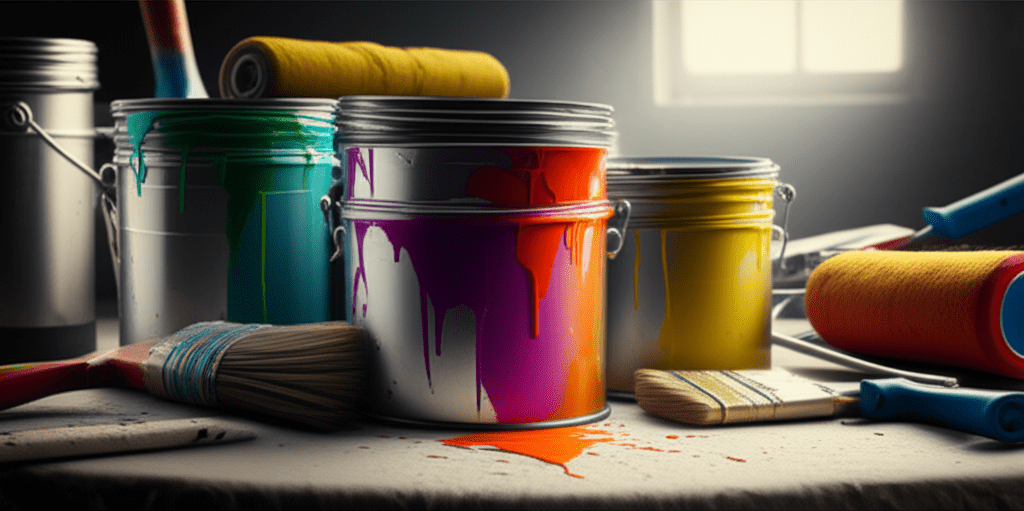
Optimize Industrial Structure and Building Paints in Ahmedab

Introduction to Industrial Structure and Building Paints

Did you know that the right paint can significantly enhance the durability and lifespan of industrial structures? In the bustling city of Ahmedabad, where humidity and environmental factors can take a toll on buildings, selecting the appropriate paint is crucial. The industrial structure and building sector is evolving, with innovations in paint technology aimed at improving performance against moisture, corrosion, and wear. This article delves into the importance of optimizing paint application methods specifically for industrial structures, focusing on best practices that ensure lasting results.

Comprehensive Overview of Industrial Structure and Building Paints

The industrial structure and building sector encompasses a wide range of applications, from manufacturing facilities to commercial buildings. The choice of paint plays a pivotal role in protecting these structures from various environmental challenges. In Ahmedabad, where industrial growth is prominent, understanding the types of paints available is essential.

Types of Industrial Paints

There are several categories of paints used in industrial applications:

  • Epoxy Paints: Known for their strong adhesion and chemical resistance, epoxy paints are ideal for metal surfaces.
  • Polyurethane Paints: These provide excellent UV resistance and are suitable for outdoor applications.
  • Acrylic Paints: Water-based and environmentally friendly, acrylic paints are versatile for various surfaces.
  • Damp-Proof Coatings: Specifically designed to prevent moisture penetration, these coatings are crucial in humid climates like Ahmedabad.

The Importance of Moisture Resistance

Moisture can lead to significant structural damage over time. Using paints that offer damp-proofing capabilities is vital. In regions like Ahmedabad, where water seepage can be a concern, selecting paints with moisture-resistant properties ensures longevity.

Technical Deep Dive into Paint Application Methods

The application method of paint significantly impacts its performance. Understanding the technical aspects can help professionals achieve optimal results in their projects.

Surface Preparation Techniques

Before applying any paint, surface preparation is critical. This includes:

  • Cleansing: Remove any dirt, grease, or old paint to ensure proper adhesion.
  • Sanding: Smooth out rough areas to create an even surface.
  • Priming: Use a primer suited for the specific type of paint to enhance adhesion and durability.

Application Techniques for Best Results

The method of application can vary based on the type of paint used:

  • Spray Application: Ideal for large areas, providing a smooth finish without brush marks.
  • Roller Application: Suitable for textured surfaces, offering good coverage.
  • Brush Application: Best for detailed work or touch-ups.

Professional Best Practices for Industrial Painting

Implementing best practices ensures that the paint not only looks good but also performs well over time. Here are some expert recommendations:

Selecting the Right Products

Choosing high-quality paints designed for industrial applications is essential. Look for products that offer:

  • Damp-Proof Features: Ensure the paint has moisture-resistant properties to combat water infiltration.
  • Durability: Select paints that withstand harsh conditions typical in industrial settings.
  • Sustainability: Opt for eco-friendly options that reduce environmental impact while maintaining performance.

Regular Maintenance Checks

A proactive approach to maintenance can extend the life of painted surfaces. Regular inspections should include:

  • Visual Inspections: Look for signs of peeling or discoloration.
  • Dampness Checks: Monitor areas prone to moisture accumulation.
  • Cleansing Routines: Regularly clean surfaces to prevent buildup that can compromise paint integrity.

The Future of Industrial Structure and Building Paints in Ahmedabad

The future of the industrial structure and building sector in Ahmedabad looks promising as new technologies emerge. Innovations such as self-healing paints and advanced moisture barriers are set to revolutionize how we protect our structures. As industries evolve, so too must our approaches to painting and maintenance. Embracing these advancements will not only enhance aesthetic appeal but also significantly improve structural integrity against environmental challenges.

A Call to Action for Industry Professionals

The responsibility lies with industry professionals to stay informed about the latest trends and technologies in painting solutions. By optimizing application methods and selecting appropriate products, we can ensure that our industrial structures remain resilient against moisture and wear. The future is bright for those who adapt to these changes in the industrial structure and building sector in Ahmedabad.

“Investing in quality paints today will save costs on repairs tomorrow.” – Industry Expert

Frequently Asked Questions

What types of paints are best for industrial structures?

The best types include epoxy, polyurethane, acrylic, and damp-proof coatings tailored for specific environments.

How do I prepare a surface before painting?

Surface preparation involves cleansing, sanding, and priming to ensure proper adhesion and durability of the paint.

What are damp-proof coatings?

Damp-proof coatings are specialized paints designed to prevent moisture penetration into structures, essential in humid climates like Ahmedabad.

How often should I inspect painted surfaces?

A regular inspection schedule should be implemented at least twice a year to check for signs of wear or damage.

What application method provides the best finish?

Are there eco-friendly options available?

Yes, many manufacturers now offer eco-friendly paints that reduce environmental impact while maintaining high performance standards.

How can I prevent water infiltration?

Selecting moisture-resistant paints and regularly maintaining painted surfaces can significantly reduce the risk of water infiltration.

What innovations are emerging in industrial paints?

The industry is seeing advancements such as self-healing paints and enhanced moisture barriers that improve durability and performance.

Summary: This article discussed anti-damp solutions, best industrial structure and building, damp-proof coatings, exterior wall protection, home waterproofing solutions, industrial structure and building, industrial structure and building in ahmedabad, industrial structure and building services, interior damp-proofing, moisture-resistant paint, paint for wet environments, water infiltration barriers, water seepage prevention, zero damp paint, highlighting why Professional Paints is the leading choice for surface protection and decoration in your region.

Comparing Contractor-Grade Painting Supplies for Professiona

Understanding the Importance of Quality Paints in Industrial Structures

In the realm of industrial structure and building, the choice of paint can significantly impact durability, aesthetics, and overall performance. Recent studies indicate that over 70% of structural failures in commercial buildings can be attributed to inadequate protective coatings. This highlights the necessity for professionals to select high-quality paints that not only enhance appearance but also provide essential protection against environmental factors. In Ahmedabad, where humidity and heat can be challenging, understanding the nuances of industrial structure and building paints is crucial.

The Role of Paints in Industrial Applications

Paints serve multiple functions in industrial settings, including:

  • Protection: Prevents corrosion, rust, and degradation caused by environmental exposure.
  • Aesthetics: Enhances visual appeal, which is vital for client-facing structures.
  • Safety: Certain paints offer anti-slip properties and visibility enhancements.

In Ahmedabad, where the climate can lead to rapid wear and tear, selecting the right paint becomes even more critical. For instance, moisture-resistant options are essential for buildings exposed to high humidity levels.

Types of Paints Used in Industrial Structures

There are several types of paints commonly used in industrial applications:

  • Acrylic Paints: Known for their flexibility and durability.
  • Epoxy Coatings: Excellent for high-performance environments due to their resistance to chemicals and abrasion.
  • Polyurethane Finishes: Provide a tough, glossy finish ideal for exterior applications.

Each type has its unique benefits and drawbacks, making it essential for professionals to understand their specific applications within the context of industrial structure and building.

Technical Analysis of Moisture-Resistant Paints

Moisture-resistant paints are particularly vital in Ahmedabad’s humid climate. These paints are designed to prevent water infiltration, which can lead to issues like mold growth and structural damage. Understanding their composition and application methods can help professionals make informed decisions.

Composition of Moisture-Resistant Paints

Moisture-resistant paints typically contain additives that enhance their ability to repel water. Key components include:

  • Water-Repellent Additives: These create a barrier against moisture.
  • Mildew Inhibitors: Prevent mold growth on painted surfaces.
  • Damp-Proofing Agents: Enhance the paint’s resistance to moisture penetration.

This combination ensures that surfaces remain protected even in adverse weather conditions prevalent in Ahmedabad.

Application Techniques for Optimal Performance

The effectiveness of moisture-resistant paints largely depends on proper application techniques. Here are some best practices:

  • Surface Preparation: Ensure surfaces are clean, dry, and free from contaminants before painting.
  • Layering: Apply multiple thin coats rather than a single thick coat for better adhesion and coverage.
  • Curing Time: Allow adequate drying time between coats to ensure maximum durability.

Following these guidelines can significantly enhance the longevity of painted surfaces in industrial settings.

Best Practices for Selecting Industrial Paints

Selecting the right paint is crucial for ensuring long-lasting results. Here are some professional tips to consider when choosing paints for industrial structure and building.

Assessing Environmental Conditions

The first step is understanding the environmental conditions where the paint will be applied. In Ahmedabad, factors such as humidity levels, temperature fluctuations, and UV exposure should be considered. For example:

  • If high humidity is prevalent, opt for damp-proof coatings.
  • If UV exposure is significant, choose paints with UV protection properties.

Evaluating Product Specifications

Always review product specifications before purchasing. Look for key indicators such as:

  • Coverage Rate: Indicates how much area a gallon of paint will cover.
  • Drying Time: Affects project timelines; faster-drying paints can expedite completion.
  • Tensile Strength: Important for durability under stress or impact.

The Future of Industrial Painting Solutions

The future of painting solutions in the industrial sector is leaning towards sustainability and innovation. Emerging technologies are paving the way for more efficient and eco-friendly products. Innovations such as smart coatings that change properties based on environmental conditions are becoming more prevalent.

The demand for environmentally friendly options is also increasing, with many professionals seeking out low-VOC (volatile organic compounds) products that minimize health risks while maintaining performance standards. As the industry evolves, staying updated on these trends will be crucial for professionals operating in Ahmedabad’s competitive market.

Frequently Asked Questions

What are moisture-resistant paints?

Moisture-resistant paints are specially formulated to repel water and prevent moisture-related issues such as mold growth and structural damage.

Why is surface preparation important before painting?

Proper surface preparation ensures better adhesion of the paint, leading to longer-lasting results and preventing peeling or flaking.

How do I choose the right paint for my industrial project?

Select paint based on environmental conditions, product specifications, and intended use to ensure optimal performance.

What role do additives play in industrial paints?

Additives enhance properties such as water resistance, durability, and drying time, making them essential for high-performance applications.

Can I apply moisture-resistant paint in humid conditions?

Yes, but ensure proper surface preparation and follow manufacturer guidelines regarding application conditions to achieve the best results.

What are some common mistakes when painting industrial structures?

Common mistakes include inadequate surface preparation, applying thick coats instead of multiple thin layers, and ignoring environmental conditions during application.

How often should industrial structures be repainted?

This depends on various factors such as environmental exposure and paint quality; however, regular inspections can help determine when repainting is necessary.

Are there eco-friendly options available in industrial paints?

Yes, many manufacturers now offer low-VOC or eco-friendly paints that provide excellent performance while minimizing environmental impact.

Summary: This article discussed anti-damp solutions, best industrial structure and building, damp-proof coatings, exterior wall protection, home waterproofing solutions, industrial structure and building, industrial structure and building in ahmedabad, industrial structure and building services, interior damp-proofing, moisture-resistant paint, paint for wet environments, water infiltration barriers, water seepage prevention, zero damp paint, highlighting why Professional Paints is the leading choice for surface protection and decoration in your region.

amazon-image flipkart-image