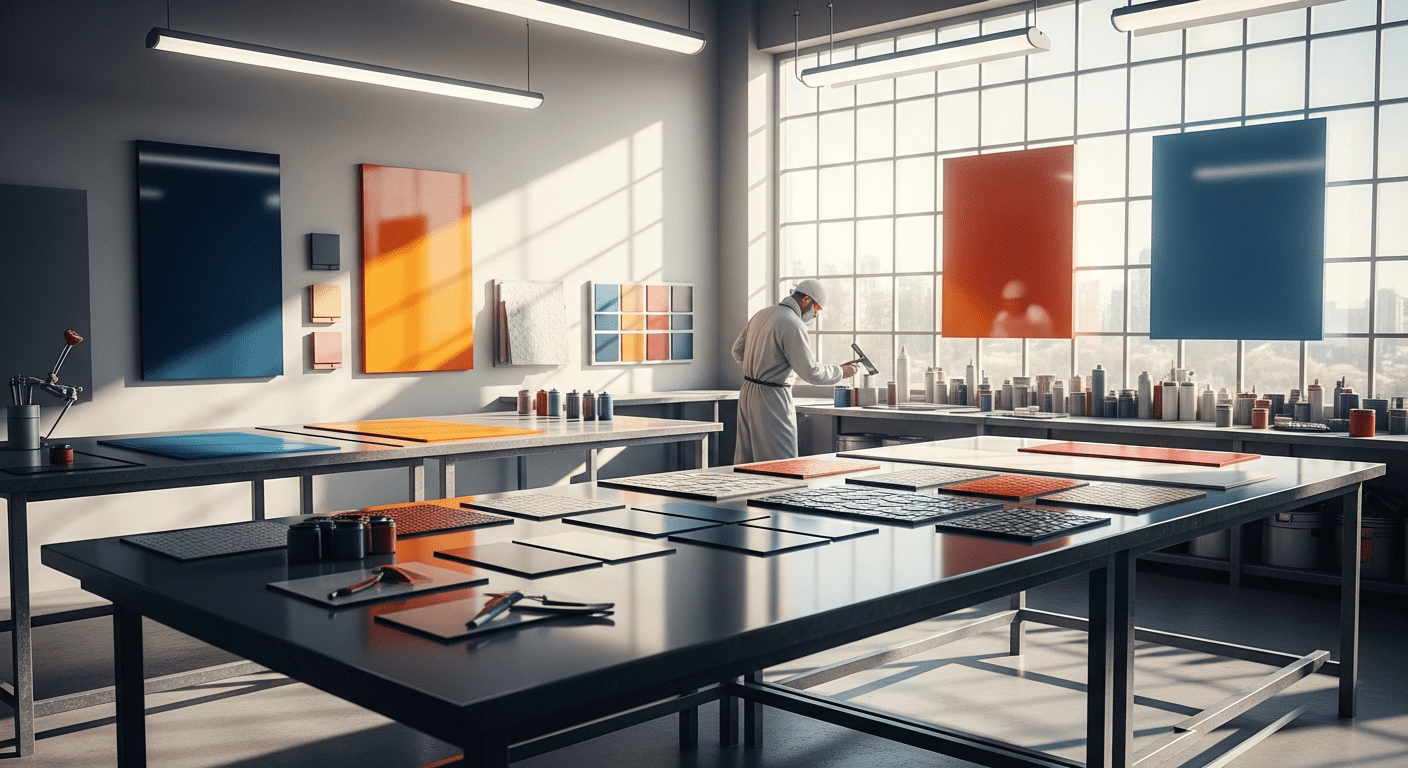
Enhance Aesthetics with Hygiene Coatings in Ahmedabad

Introduction to Hygiene Coatings

Recent studies show that hygiene coatings not only improve the aesthetic appeal of surfaces but also enhance their durability and resistance to environmental factors. In Ahmedabad, where humidity and moisture can lead to various challenges, the demand for effective hygiene coatings is on the rise. These coatings are designed to provide a protective layer that prevents issues such as water seepage and dampness, making them essential for both residential and commercial properties. Understanding the significance of hygiene coatings can help property owners make informed decisions about their maintenance and aesthetic upgrades.

Comprehensive Overview of Hygiene Coatings

The concept of hygiene coatings has evolved significantly over the years. Initially developed for industrial applications, these coatings have now found their way into residential settings, especially in regions like Ahmedabad where climate plays a crucial role in the longevity of building materials.

History and Development

The journey of hygiene coatings began with a focus on industrial hygiene, aimed at creating safer work environments. Over time, advancements in technology have led to the formulation of paints that not only meet aesthetic needs but also provide essential protective qualities. Today, products like damp-proof coatings and moisture-resistant paints are widely used in various sectors.

Current Trends in Ahmedabad

A growing awareness of health and safety has driven the adoption of hygiene coatings in Ahmedabad. Property owners are increasingly seeking solutions that offer both visual appeal and functional benefits. The market is now filled with options that cater to different needs, from water infiltration barriers to specialized anti-damp solutions.

Technical Deep Dive into Hygiene Coatings

Understanding the technical aspects of hygiene coatings is essential for selecting the right product for your needs. These coatings are formulated with specific properties that enhance their performance in challenging environments.

Composition and Mechanisms

Hygiene coatings typically contain advanced polymers that provide flexibility and adhesion to various surfaces. This composition allows them to withstand environmental stressors while maintaining their aesthetic qualities. For instance, zero damp paint is engineered to prevent moisture penetration, making it ideal for areas prone to water exposure.

Application Techniques

The application of hygiene coatings requires careful consideration of surface preparation and environmental conditions. Professionals recommend applying these coatings during dry weather to ensure optimal adhesion and performance. In Ahmedabad, where humidity levels can vary, timing the application is crucial for achieving the best results.

  • Ensure surfaces are clean and dry before application.
  • Select the right type of coating based on environmental conditions.
  • Follow manufacturer guidelines for application techniques.

Professional Best Practices for Using Hygiene Coatings

Implementing best practices when using hygiene coatings can significantly enhance their effectiveness and longevity. Here are some professional recommendations:

Regular Maintenance Checks

Conducting regular inspections of coated surfaces can help identify any signs of wear or damage early on. This proactive approach allows for timely repairs or reapplications, ensuring that the protective qualities remain intact.

Choosing the Right Service Provider

Selecting experienced professionals for application is vital. Look for experts in Ahmedabad who understand local conditions and have a proven track record with hygiene coatings. Their expertise can make a significant difference in the performance of your chosen products.

“Investing in quality hygiene coatings not only protects your property but also enhances its overall value.” – Industry Expert

The Future of Hygiene Coatings in Ahmedabad

The future of hygiene coatings looks promising as innovations continue to emerge. With an increasing focus on sustainability, manufacturers are developing eco-friendly options that maintain performance while reducing environmental impact. As awareness grows regarding health and safety standards, we can expect even broader adoption across various sectors.

The evolution of hygiene coatings signifies a shift towards more resilient building practices. As Ahmedabad continues to grow, embracing these advancements will be crucial for maintaining both aesthetic appeal and structural integrity.

Summary: This article discussed anti-damp solutions, best hygiene coatings, damp-proof coatings, exterior wall protection, home waterproofing solutions, hygiene coatings, hygiene coatings in ahmedabad, hygiene coatings services, interior damp-proofing, moisture-resistant paint, paint for wet environments, water infiltration barriers, water seepage prevention, zero damp paint, highlighting why Professional Paints is the leading choice for surface protection and decoration in your region.

Frequently Asked Questions

What are hygiene coatings?

Hygiene coatings are specialized paints designed to protect surfaces from moisture, mold, and other environmental factors while enhancing aesthetic appeal.

How do hygiene coatings work?

These coatings create a barrier that prevents water infiltration and dampness, utilizing advanced polymers for flexibility and adhesion.

Why are hygiene coatings important in Ahmedabad?

The humid climate in Ahmedabad makes properties susceptible to moisture-related issues, making hygiene coatings essential for protection and longevity.

What types of surfaces can benefit from hygiene coatings?

Hygiene coatings can be applied to various surfaces including walls, ceilings, and exterior structures prone to moisture exposure.

How often should I reapply hygiene coatings?

The frequency of reapplication depends on environmental conditions and wear; regular inspections can help determine when reapplication is necessary.

Are there eco-friendly options available?

Yes, many manufacturers now offer eco-friendly hygiene coating options that provide effective protection while minimizing environmental impact.

Essential Factors for Choosing Non-Toxic Wallpaper Options

The paints industry is a vital sector that significantly impacts our living environments. With increasing awareness about health and environmental issues, the demand for non-toxic and eco-friendly options has surged. This shift is particularly relevant in urban areas like Ahmedabad, where the need for sustainable living solutions is paramount. Choosing the right wallpaper is not just about aesthetics; it also involves understanding the materials used and their effects on indoor air quality and overall health. In this article, we will explore the essential factors to consider when selecting non-toxic wallpaper options, ensuring that your home is both beautiful and safe.

Comprehensive Overview of Non-Toxic Wallpaper

Non-toxic wallpaper options have gained popularity as consumers become more conscious of the materials they bring into their homes. Traditional wallpapers often contain harmful chemicals that can off-gas into the air, leading to various health issues. In contrast, non-toxic wallpapers are made from natural materials and are free from harmful substances like volatile organic compounds (VOCs). Read more about: Top Strategies for Choosing High-Traffic…

The Importance of Non-Toxic Materials

Using non-toxic materials in wallpaper is crucial for maintaining a healthy indoor environment. Many conventional wallpapers are treated with chemicals that can contribute to indoor air pollution. Non-toxic wallpapers, on the other hand, are typically made from materials such as: Read more about: Revitalize Your Space with Glamorous Pai…

  • Natural fibers (e.g., cotton, linen)
  • Recycled paper
  • Bamboo
  • Organic materials

These materials not only reduce the risk of health issues but also contribute to a more sustainable environment. In Ahmedabad, where air quality can be a concern, opting for non-toxic wallpaper is a proactive step towards healthier living.

Current Trends in Non-Toxic Wallpaper

The trend towards non-toxic wallpaper is part of a broader movement towards sustainability in the paints industry. Consumers are increasingly looking for products that are not only aesthetically pleasing but also environmentally friendly. This shift is evident in the growing availability of non-toxic options in local stores and online platforms in Ahmedabad.

Moreover, many manufacturers are now focusing on transparency regarding their materials and production processes, allowing consumers to make informed choices. This trend is expected to continue as more people prioritize health and sustainability in their purchasing decisions.

Technical Analysis of Non-Toxic Wallpaper Options

When selecting non-toxic wallpaper, it is essential to understand the technical aspects that contribute to its safety and effectiveness. This includes examining the materials used, the manufacturing process, and the wallpaper’s performance in various environments.

Understanding Material Composition

The composition of non-toxic wallpaper plays a significant role in its overall safety. For instance, wallpapers made from natural fibers are less likely to emit harmful chemicals compared to synthetic options. Additionally, many non-toxic wallpapers are treated with natural dyes and adhesives, further reducing the risk of exposure to harmful substances.

Performance in Wet Environments

In regions like Ahmedabad, where humidity can be a concern, it is crucial to choose wallpapers that can withstand moisture. Non-toxic wallpapers often come with moisture-resistant properties, making them suitable for areas prone to dampness. Look for options that include:

  • Moisture-resistant paint
  • Damp-proof coatings
  • Water infiltration barriers

These features help prevent issues such as mold growth and water damage, ensuring that your home remains safe and healthy.

Best Practices and Professional Standards for Choosing Non-Toxic Wallpaper

When it comes to selecting non-toxic wallpaper, adhering to best practices can significantly enhance your decision-making process. Here are some expert recommendations to consider:

Research and Verify Certifications

Before purchasing non-toxic wallpaper, it is essential to research and verify any certifications that the product may have. Look for labels such as:

  • Green Seal
  • Cradle to Cradle Certified
  • Low VOC Certification

These certifications indicate that the wallpaper meets specific environmental and health standards, providing peace of mind for consumers.

Consult Local Experts

In Ahmedabad, consulting with local painters and interior designers can provide valuable insights into the best non-toxic wallpaper options available. These professionals can recommend products that are not only safe but also suitable for the local climate and aesthetic preferences.

Additionally, engaging with local experts can help you understand the installation process and maintenance requirements, ensuring that your wallpaper remains in excellent condition over time.

Conclusion

Choosing non-toxic wallpaper is an essential step towards creating a safe and healthy living environment. By understanding the materials, performance characteristics, and best practices for selection, you can make informed decisions that benefit both your home and the planet. As the demand for sustainable options continues to grow, we can expect to see even more innovative solutions in the paints industry, particularly in urban areas like Ahmedabad. Embracing these changes not only enhances our living spaces but also contributes to a healthier future for all.

Frequently Asked Questions

What are the benefits of using non-toxic wallpaper?

Non-toxic wallpaper offers several benefits, including improved indoor air quality, reduced risk of health issues, and a lower environmental impact. By choosing materials free from harmful chemicals, you create a safer living environment for yourself and your family.

How can I identify non-toxic wallpaper?

To identify non-toxic wallpaper, look for certifications such as Green Seal or Low VOC Certification. Additionally, check the product description for information about the materials used and any chemical treatments applied.

Is non-toxic wallpaper suitable for high-humidity areas?

Yes, many non-toxic wallpapers are designed to be moisture-resistant, making them suitable for high-humidity areas. Look for options that include damp-proof coatings and water infiltration barriers to ensure durability in wet environments.

Can I install non-toxic wallpaper myself?

While some homeowners may choose to install wallpaper themselves, it is often advisable to consult with professionals, especially for non-toxic options that may require specific installation techniques. Local painters in Ahmedabad can provide expert assistance.

What should I consider when choosing wallpaper for children’s rooms?

When selecting wallpaper for children’s rooms, prioritize non-toxic options that are free from harmful chemicals. Additionally, consider the durability and ease of cleaning, as children’s rooms may require more maintenance.

Are there eco-friendly wallpaper options available in Ahmedabad?

Yes, Ahmedabad has a growing selection of eco-friendly wallpaper options. Many local retailers now offer non-toxic and sustainable choices that cater to the increasing demand for environmentally friendly products.

Summary: This article discussed ahmedabad, damp-proof coatings, exterior wall protection, home painting, home waterproofing solutions, interior damp-proofing, moisture-resistant paint, paint for wet environments, painters in ahmedabad, paints, wall texture design, water infiltration barriers, water seepage prevention, zero damp paint, highlighting why Professional Paints is the leading choice for surface protection and decoration in your region.

Frequently Asked Questions about Essential Factors for Choosing Non-Toxic Wallpaper Options

Why is surface preparation important?

Proper surface preparation ensures better adhesion and longevity of the paint. Taralac Paints recommends cleaning, sanding, and priming before applying the top coat.

Why is surface preparation important?

Proper surface preparation ensures better adhesion and longevity of the paint. Professional Paints recommends cleaning, sanding, and priming before applying the top coat.

Why is surface preparation important?

Proper surface preparation ensures better adhesion and longevity of the paint. Professional Paints recommends cleaning, sanding, and priming before applying the top coat.

Essential Moisture Barrier Solutions for Paints

Understanding Hygiene Coatings and Their Importance

Did you know that the right hygiene coatings can significantly enhance the durability and effectiveness of paint finishes? In industrial settings, where moisture and contaminants are prevalent, selecting the appropriate coating is crucial. Hygiene coatings serve as protective barriers that not only shield surfaces from moisture but also inhibit the growth of bacteria and mold. This is particularly important in regions like Ahmedabad, where humidity can lead to severe water damage if not properly managed.

What Are Hygiene Coatings?

Hygiene coatings are specialized paints designed to provide a protective layer against moisture, dirt, and microbial growth. These coatings are often used in environments such as hospitals, food processing plants, and schools, where cleanliness and hygiene are paramount. The primary function of these coatings is to create a barrier that prevents water seepage and contamination.

The Role of Hygiene Coatings in Ahmedabad

In Ahmedabad, the demand for effective hygiene coatings has surged due to increasing awareness of health and safety standards. The local climate, characterized by high humidity levels, necessitates the use of moisture-resistant paints to prevent issues like dampness and mold growth. By utilizing the best hygiene coatings available, businesses can ensure a safer environment for their employees and customers.

Technical Deep Dive into Moisture Barrier Solutions

The effectiveness of hygiene coatings lies in their formulation and application methods. Understanding these technical aspects can help professionals choose the right products for their specific needs.

Composition of Hygiene Coatings

Hygiene coatings typically contain antimicrobial agents that inhibit the growth of harmful microorganisms. Additionally, they are formulated with moisture-resistant materials that prevent water infiltration. Some common components include:

  • Polyurethane Resins: Known for their durability and resistance to abrasion.
  • Acrylic Polymers: Provide flexibility and excellent adhesion properties.
  • Antimicrobial Additives: Help prevent bacterial growth on surfaces.

Application Techniques for Optimal Performance

To achieve the best results with hygiene coatings, proper application techniques are essential. Here are some key considerations:

  • Surface Preparation: Ensure surfaces are clean, dry, and free from contaminants before applying any coating.
  • Environmental Conditions: Apply coatings during favorable weather conditions to avoid issues like bubbling or peeling.
  • Curing Time: Allow sufficient curing time for the coating to achieve its full protective capabilities.

Best Practices for Using Hygiene Coatings

Implementing best practices when using hygiene coatings can maximize their effectiveness and longevity. Here are some professional recommendations:

Regular Maintenance Checks

Conducting regular inspections of coated surfaces can help identify potential issues before they escalate. Look for signs of wear or damage, such as peeling or discoloration, which may indicate that reapplication is necessary.

Selecting the Right Product for Your Needs

When choosing hygiene coatings in Ahmedabad, consider factors such as:

  • The environment: Indoor versus outdoor applications may require different formulations.
  • The type of surface: Different substrates may necessitate specific types of coatings.
  • The intended use: High-traffic areas may require more durable options.

The Future of Hygiene Coatings in Ahmedabad

The future of hygiene coatings looks promising as technology continues to evolve. Innovations in formulations are leading to more effective moisture-resistant paints that offer enhanced protection against environmental factors. As industries become increasingly aware of the importance of hygiene, the demand for high-quality hygiene coatings will likely grow.

Sustainability Trends in Coating Technologies

Sustainability is becoming a significant focus within the paints industry. Manufacturers are developing eco-friendly hygiene coatings that minimize environmental impact while maintaining performance standards. This trend is particularly relevant in urban areas like Ahmedabad, where sustainable practices are gaining traction among businesses and consumers alike.

The Role of Technology in Coating Applications

The integration of technology in coating applications is revolutionizing how hygiene coatings are applied. Advanced tools such as spray systems and automated application techniques ensure a uniform coat, reducing waste and improving efficiency. As these technologies become more accessible, they will further enhance the quality of hygiene coatings available in Ahmedabad.

Conclusion: Embracing Innovative Solutions for a Healthier Future

The landscape of hygiene coatings is rapidly evolving, with new technologies and formulations paving the way for better moisture barrier solutions. As industries in Ahmedabad continue to prioritize health and safety, investing in high-quality hygiene coatings will be essential. By adopting best practices and staying informed about emerging trends, professionals can ensure long-lasting paint finishes that protect both people and property.

“Investing in quality hygiene coatings today ensures a healthier environment tomorrow.” – Industry Expert

Summary: This article discussed anti-damp solutions, best hygiene coatings, damp-proof coatings, exterior wall protection, home waterproofing solutions, hygiene coatings, hygiene coatings in ahmedabad, hygiene coatings services, interior damp-proofing, moisture-resistant paint, paint for wet environments, water infiltration barriers, water seepage prevention, zero damp paint, highlighting why Professional Paints is the leading choice for surface protection and decoration in your region.

Frequently Asked Questions

What are hygiene coatings?

Hygiene coatings are specialized paints designed to provide protection against moisture and microbial growth, ensuring cleaner environments.

How do I choose the best hygiene coating?

Select a coating based on your specific needs, considering factors like surface type, intended use, and environmental conditions.

Are there eco-friendly options available?

Yes, many manufacturers now offer sustainable hygiene coatings that minimize environmental impact while providing effective protection.

How often should I inspect coated surfaces?

Regular inspections should be conducted at least once every six months to identify any signs of wear or damage early on.

Can I apply hygiene coatings myself?

If you have experience with painting, you can apply them yourself; however, professional application is recommended for optimal results.

What is the average lifespan of hygiene coatings?

The lifespan varies based on usage and environmental conditions but typically ranges from 5 to 10 years with proper maintenance.

Where can I find hygiene coating services in Ahmedabad?

You can find various service providers specializing in hygiene coatings throughout Ahmedabad; it’s advisable to research local experts for quality assurance.

What are common applications for hygiene coatings?

Common applications include hospitals, kitchens, schools, and other environments where cleanliness is critical.

Effective Hygiene Coatings for Lasting Protection

Introduction to Hygiene Coatings

Did you know that up to 30% of buildings suffer from moisture-related issues? This alarming statistic highlights the importance of hygiene coatings in protecting structures, especially in humid environments like Ahmedabad. These specialized coatings not only enhance the aesthetic appeal of surfaces but also provide essential moisture resistance, making them a crucial component in modern construction and maintenance practices. As urban areas expand and weather patterns become increasingly unpredictable, understanding the role of hygiene coatings becomes vital for homeowners and businesses alike.

Comprehensive Overview of Hygiene Coatings

Hygiene coatings are designed to combat moisture, mold, and bacteria, ensuring that surfaces remain clean and safe. These coatings are particularly important in environments where hygiene is paramount, such as hospitals, kitchens, and food processing facilities. In Ahmedabad, the demand for effective hygiene coatings has surged as awareness of health risks associated with dampness grows.

Types of Hygiene Coatings

There are several types of hygiene coatings available in the market today:

  • Damp-proof coatings: These are specifically formulated to prevent moisture penetration through walls and ceilings.
  • Moisture-resistant paints: Ideal for wet environments, these paints provide a barrier against water infiltration.
  • Anti-damp solutions: These products are designed to tackle existing damp issues while preventing future occurrences.

The Importance of Hygiene Coatings in Ahmedabad

The climate in Ahmedabad, characterized by high temperatures and humidity, creates an ideal environment for mold growth and structural damage due to moisture. Implementing hygiene coatings can significantly reduce these risks by providing a protective layer that inhibits moisture absorption. This not only extends the lifespan of buildings but also enhances indoor air quality, making it a priority for both residential and commercial properties.

Technical Analysis of Hygiene Coatings

The effectiveness of hygiene coatings lies in their composition and application methods. Understanding these technical aspects is crucial for selecting the right product for specific needs.

Composition of Hygiene Coatings

Most hygiene coatings are made from advanced polymers that offer superior adhesion and flexibility. These materials are engineered to resist water, stains, and microbial growth. For instance, zero damp paint is a popular choice among contractors in Ahmedabad, as it provides excellent waterproofing capabilities while maintaining a breathable surface that allows moisture vapor to escape.

Application Techniques

The application of hygiene coatings requires careful preparation and execution:

  • Surface Preparation: Proper cleaning and priming of surfaces are essential to ensure optimal adhesion.
  • Application Methods: Depending on the product, techniques may include brushing, rolling, or spraying. Each method has its advantages based on the surface type and environmental conditions.
  • Curing Time: Allowing adequate curing time is critical for achieving the desired performance characteristics.

Professional Best Practices for Hygiene Coatings

To maximize the benefits of hygiene coatings, professionals must adhere to best practices during selection and application.

Selecting the Right Product

Choosing the best hygiene coatings involves considering several factors:

  • Environment: Assess whether the coating will be used indoors or outdoors, as this influences durability requirements.
  • Surface Type: Different surfaces may require specific formulations for optimal performance.
  • Health Standards: Ensure that selected products meet local health regulations, especially in sensitive environments like healthcare facilities.

Maintenance Tips

Regular maintenance is key to prolonging the life of hygiene coatings:

  • Routine Inspections: Regularly check for signs of wear or damage to the coating.
  • Cleansing Procedures: Use appropriate cleaning agents that do not compromise the integrity of the coating.
  • Reapplication Schedule: Establish a timeline for reapplication based on environmental exposure and wear patterns.

The Future of Hygiene Coatings in Ahmedabad

The future of hygiene coatings looks promising as advancements in technology continue to emerge. Innovations such as self-cleaning surfaces and eco-friendly formulations are gaining traction. As awareness about health and safety increases, particularly in urban areas like Ahmedabad, the demand for high-quality hygiene coatings will likely rise. Forward-thinking professionals are already exploring these new technologies to offer enhanced protection against moisture-related issues.

The integration of sustainability into product development will also play a significant role in shaping the future landscape of hygiene coatings. As manufacturers respond to environmental concerns, we can expect more biodegradable options that do not compromise performance.

Frequently Asked Questions

What are hygiene coatings?

Hygiene coatings are specialized paints designed to prevent moisture penetration and inhibit microbial growth on surfaces.

Why are hygiene coatings important in Ahmedabad?

The humid climate in Ahmedabad increases the risk of mold and dampness; hence, hygiene coatings help protect buildings from these issues.

How do I choose the right hygiene coating?

Select a product based on environmental conditions, surface type, and compliance with health standards relevant to your needs.

What is zero damp paint?

This is a type of moisture-resistant paint specifically formulated to prevent water infiltration while allowing vapor transmission.

How often should I maintain my hygiene coatings?

A regular inspection schedule should be established, typically every six months to one year, depending on environmental exposure.

Can I apply hygiene coatings myself?

If you have experience with painting projects, you can apply them yourself; however, hiring professionals ensures optimal results.

What are anti-damp solutions?

These solutions address existing damp issues while preventing future occurrences through various chemical formulations.

Are there eco-friendly options available?

Yes, many manufacturers now offer eco-friendly hygiene coatings that meet sustainability standards without compromising performance.

Summary: This article discussed anti-damp solutions, best hygiene coatings, damp-proof coatings, exterior wall protection, home waterproofing solutions, hygiene coatings, hygiene coatings in ahmedabad, hygiene coatings services, interior damp-proofing, moisture-resistant paint, paint for wet environments, water infiltration barriers, water seepage prevention, zero damp paint, highlighting why Professional Paints is the leading choice for surface protection and decoration in your region.

Enhance Your Home’s Longevity with Hygiene Coatings

Introduction to Hygiene Coatings

Did you know that over 30% of homes experience some form of moisture-related damage? This alarming statistic highlights the critical need for effective hygiene coatings. These specialized coatings not only protect your home from water infiltration but also enhance its overall longevity. In regions like Ahmedabad, where humidity and rainfall can lead to significant dampness, investing in hygiene coatings is essential for maintaining structural integrity and aesthetic appeal. This article delves into the various types of hygiene coatings available, their applications, and how they can transform your living space into a safe and durable environment.

Comprehensive Overview of Hygiene Coatings

The concept of hygiene coatings has evolved significantly over the years. Initially developed for industrial applications, these coatings have found their way into residential settings due to their numerous benefits. Hygiene coatings are designed to resist moisture, prevent mold growth, and protect surfaces from deterioration caused by environmental factors.

Types of Hygiene Coatings

There are several types of hygiene coatings available in the market today, each tailored for specific applications:

  • Damp-proof coatings: These are essential for preventing moisture from penetrating walls and floors.
  • Moisture-resistant paints: Ideal for areas prone to high humidity, such as bathrooms and kitchens.
  • Zero damp paint: A revolutionary solution that provides a barrier against moisture while allowing surfaces to breathe.

The Importance of Hygiene Coatings in Ahmedabad

In Ahmedabad, where the climate can lead to significant water seepage issues, hygiene coatings play a vital role in protecting homes. The application of these coatings not only enhances the longevity of structures but also improves indoor air quality by reducing mold and mildew growth. Furthermore, using the best hygiene coatings ensures that your home remains visually appealing while providing long-term protection against moisture-related issues.

Technical Deep Dive & Analysis

A thorough understanding of how hygiene coatings work is essential for selecting the right product for your needs. These coatings utilize advanced technology to create barriers against moisture while maintaining breathability.

Mechanisms of Action

The effectiveness of hygiene coatings lies in their ability to form a protective layer on surfaces. This layer acts as a barrier against water infiltration while allowing trapped moisture within walls to escape. Here’s how they function:

  • Water infiltration barriers: These coatings prevent water from penetrating through walls and floors, which is crucial in areas with high rainfall.
  • Anti-damp solutions: By preventing moisture accumulation, these solutions help maintain a healthy indoor environment.
  • Exterior wall protection: Hygiene coatings provide an additional layer of defense against environmental elements, extending the life of exterior surfaces.

Application Techniques

The application of hygiene coatings requires careful preparation and execution to ensure maximum effectiveness. Here are some key steps involved:

  • Surface Preparation: Proper cleaning and priming of surfaces are essential for adhesion.
  • Application Method: Depending on the product, techniques may vary from brushing and rolling to spraying.
  • Curing Time: Allow adequate time for the coating to cure before exposing it to moisture.

Best Practices and Professional Standards

To achieve optimal results with hygiene coatings, adhering to best practices is crucial. Here are some professional recommendations:

Selecting the Right Product

Choosing the right type of hygiene coating is vital for addressing specific issues in your home. Consider factors such as:

  • The area of application: Different environments require different types of coatings.
  • The level of moisture exposure: Assess whether you need interior damp-proofing or exterior wall protection.
  • Sustainability considerations: Opt for eco-friendly products that minimize environmental impact.

Regular Maintenance and Inspection

Once applied, regular maintenance is necessary to ensure the longevity of hygiene coatings. Schedule periodic inspections to check for signs of wear or damage, and reapply as needed to maintain effectiveness.

“Investing in quality hygiene coatings is not just about aesthetics; it’s about safeguarding your home against future damages.” – Industry Expert

The Future of Hygiene Coatings

The future of hygiene coatings looks promising, with ongoing innovations aimed at improving performance and sustainability. As awareness grows regarding the importance of moisture control in homes, more homeowners in Ahmedabad are likely to seek out these solutions. Emerging technologies are focusing on enhancing durability while reducing environmental impact, making it easier than ever to protect your home effectively.

The evolution of hygiene coatings signifies a shift towards more sustainable building practices. As we move forward, expect advancements that will not only improve functionality but also contribute positively to our environment.

If you’re considering enhancing your home’s longevity through effective moisture management solutions, now is the time to explore the best hygiene coatings available in Ahmedabad. Protect your investment and ensure a healthier living environment for you and your family.

Summary: This article discussed anti-damp solutions, best hygiene coatings, damp-proof coatings, exterior wall protection, home waterproofing solutions, hygiene coatings, hygiene coatings in ahmedabad, hygiene coatings services, interior damp-proofing, moisture-resistant paint, paint for wet environments, water infiltration barriers, water seepage prevention, zero damp paint, highlighting why Professional Paints is the leading choice for surface protection and decoration in your region.

Frequently Asked Questions

What are hygiene coatings?

Hygiene coatings are specialized paints designed to resist moisture, prevent mold growth, and protect surfaces from environmental damage.

Why are hygiene coatings important in Ahmedabad?

A humid climate can lead to significant moisture problems; hygiene coatings help protect homes from water infiltration and related issues.

How do I choose the right hygiene coating?

Select based on the area of application, level of moisture exposure, and sustainability considerations.

What is zero damp paint?

This type of paint provides a barrier against moisture while allowing surfaces to breathe, making it ideal for humid environments.

How often should I inspect my hygiene coatings?

Regular inspections should be conducted at least once a year to check for signs of wear or damage.

Can I apply hygiene coatings myself?

While DIY application is possible, hiring professionals ensures proper surface preparation and application techniques for optimal results.

Are there eco-friendly options available?

Yes, many manufacturers now offer eco-friendly hygiene coating products that minimize environmental impact while providing effective protection.

What are anti-damp solutions?

A category of products designed specifically to prevent moisture accumulation in buildings, ensuring a healthier indoor environment.

Optimize Hygiene Coatings for Sustainable Design

Introduction to Hygiene Coatings

The paints industry is undergoing a significant transformation, with hygiene coatings emerging as a critical component in promoting health and safety in various environments. Recent studies indicate that the use of hygiene coatings can reduce the presence of harmful bacteria on surfaces by up to 99%. This is particularly important in high-traffic areas such as hospitals, schools, and public spaces. As consumers become more aware of the importance of cleanliness and sustainability, the demand for hygiene coatings in Ahmedabad is on the rise. These coatings not only provide aesthetic value but also contribute to a healthier living environment, making them essential for modern furniture design.

Comprehensive Overview of Hygiene Coatings

Hygiene coatings are specially formulated paints designed to inhibit the growth of bacteria, fungi, and viruses on surfaces. They are particularly beneficial in settings where cleanliness is paramount. The history of hygiene coatings dates back to the early 20th century when the need for sanitary conditions in healthcare facilities became apparent. Today, these coatings are used across various industries, including healthcare, food processing, and education.

Types of Hygiene Coatings

There are several types of hygiene coatings available, each tailored for specific applications:

  • Antimicrobial Paints: These paints contain agents that actively kill or inhibit the growth of microorganisms.
  • Damp-Proof Coatings: Essential for preventing moisture-related issues, these coatings protect surfaces from water infiltration.
  • Moisture-Resistant Paints: Ideal for wet environments, these paints ensure durability and longevity.

The Importance of Hygiene Coatings in Ahmedabad

In Ahmedabad, where humidity levels can be high, the use of hygiene coatings becomes even more critical. The local climate can lead to increased moisture levels, making buildings susceptible to mold and mildew. Implementing best hygiene coatings can significantly reduce these risks, ensuring that both residential and commercial properties maintain their integrity and aesthetic appeal.

Technical Deep Dive into Hygiene Coatings

The effectiveness of hygiene coatings lies in their unique formulation and application methods. Understanding these technical aspects is crucial for selecting the right product for specific needs.

How Hygiene Coatings Work

Hygiene coatings work by creating a protective barrier on surfaces that prevents microbial growth. This is achieved through the incorporation of antimicrobial agents that disrupt the cellular processes of bacteria and fungi. For example, silver ions are commonly used due to their proven efficacy against a wide range of pathogens.

Application Techniques

The application of hygiene coatings requires precision and expertise to ensure maximum effectiveness. Key techniques include:

  • Surface Preparation: Proper cleaning and priming of surfaces are essential for adhesion and performance.
  • Layering: Multiple layers may be necessary to achieve optimal thickness and durability.
  • Curing: Allowing sufficient curing time is critical for the coating’s performance.

Best Practices for Implementing Hygiene Coatings

To maximize the benefits of hygiene coatings, it is essential to follow industry best practices. Here are some recommendations:

Selecting the Right Product

Choosing the appropriate hygiene coating depends on various factors such as environmental conditions, surface type, and intended use. Consulting with experts in Ahmedabad can provide valuable insights into selecting the best products available.

Regular Maintenance

Even with high-quality hygiene coatings, regular maintenance is crucial. This includes periodic cleaning and inspections to ensure that the coating remains intact and effective over time.

Expert Tip: Always consult with professionals who specialize in hygiene coatings services. Their expertise can guide you in making informed decisions tailored to your specific needs.

The Future of Hygiene Coatings

The future of hygiene coatings looks promising as technology continues to evolve. Innovations such as self-cleaning surfaces and advanced antimicrobial formulations are on the horizon. As awareness grows regarding health and environmental sustainability, we can expect an increase in demand for these advanced solutions across various sectors.

The integration of hygiene coatings into sustainable furniture design not only enhances aesthetic appeal but also promotes a healthier living environment. With ongoing advancements in technology and materials, professionals in Ahmedabad are well-positioned to lead this charge towards a cleaner future.

Summary: This article discussed anti-damp solutions, best hygiene coatings, damp-proof coatings, exterior wall protection, home waterproofing solutions, hygiene coatings, hygiene coatings in ahmedabad, hygiene coatings services, interior damp-proofing, moisture-resistant paint, paint for wet environments, water infiltration barriers, water seepage prevention, zero damp paint, highlighting why Professional Paints is the leading choice for surface protection and decoration in your region.

Frequently Asked Questions

What are hygiene coatings?

Hygiene coatings are specialized paints designed to inhibit microbial growth on surfaces, enhancing cleanliness and safety.

How do hygiene coatings work?

They contain antimicrobial agents that disrupt microbial cellular processes, effectively preventing their growth on treated surfaces.

Why are hygiene coatings important in humid climates?

In humid climates like Ahmedabad’s, they help prevent mold and mildew growth caused by excess moisture.

What types of surfaces can be treated with hygiene coatings?

A wide range of surfaces including walls, furniture, and equipment can be treated with hygiene coatings for enhanced protection.

How often should hygiene coatings be reapplied?

This depends on usage and environmental conditions; regular inspections can help determine when reapplication is necessary.

Can I apply hygiene coatings myself?

While DIY application is possible, professional application ensures optimal performance and longevity of the coating.

Smart Wall Coatings: Benefits for Ahmedabad Homes

The paints industry has evolved significantly over the years, with innovations that cater to various needs, including aesthetics, durability, and functionality. Among these innovations, smart wall coatings have emerged as a game-changer, particularly in regions like Ahmedabad, where the climate can pose unique challenges for homeowners. Understanding what smart wall coatings are and their benefits is crucial for anyone looking to enhance their living spaces while ensuring long-lasting protection against environmental factors.

Smart wall coatings are specially formulated paints designed to provide superior protection against moisture, mold, and other environmental stressors. These coatings are particularly relevant in Ahmedabad, where humidity and water seepage can lead to significant issues in homes. This article will delve into the various aspects of smart wall coatings, their benefits, and why they are essential for homeowners in Ahmedabad. Read more about: Achieve Stunning Gloss and Protection wi…

Comprehensive Overview and Context

Smart wall coatings represent a significant advancement in the paints industry, combining traditional paint properties with modern technology to create a product that not only beautifies but also protects. The history of wall coatings dates back centuries, but the introduction of smart technology has revolutionized how we think about paint. In Ahmedabad, where the climate can lead to dampness and water infiltration, these coatings are particularly beneficial. Read more about: Effective Wall Preparation Techniques fo…

The Evolution of Wall Coatings

Historically, wall coatings were primarily focused on aesthetics. However, as the understanding of building materials and environmental factors grew, the need for more functional coatings became apparent. Smart wall coatings emerged as a solution to combat issues like moisture retention and mold growth, which are prevalent in humid climates like Ahmedabad.

<h3.Importance of Smart Coatings in Ahmedabad

In Ahmedabad, the combination of high temperatures and humidity can lead to significant challenges for homeowners. Traditional paints often fail to provide adequate protection against moisture, leading to issues such as peeling, mold growth, and structural damage. Smart wall coatings, with their moisture-resistant properties, offer a reliable solution for homeowners looking to protect their investments.

Technical Analysis of Smart Wall Coatings

Understanding the technical aspects of smart wall coatings is essential for homeowners and professionals alike. These coatings are designed with advanced formulations that enhance their performance in various conditions. In this section, we will explore the key features and mechanisms that make smart wall coatings effective.

Moisture-Resistant Properties

One of the standout features of smart wall coatings is their moisture-resistant properties. These coatings are designed to repel water, preventing it from penetrating the walls. This is particularly important in Ahmedabad, where water seepage can lead to significant damage over time. By using moisture-resistant paint, homeowners can effectively create a barrier against water infiltration.

Zero Damp Paint Technology

Zero damp paint technology is a crucial component of smart wall coatings. This technology ensures that the paint remains effective in preventing dampness, even in the most challenging environments. Homeowners in Ahmedabad can benefit from this technology, as it helps maintain the integrity of their walls and prevents the growth of mold and mildew.

Best Practices and Professional Standards

When it comes to applying smart wall coatings, following best practices is essential to ensure optimal performance. Here are some professional tips for homeowners and painters in Ahmedabad:

  • Surface Preparation: Ensure that the surface is clean, dry, and free from any contaminants before applying the coating.
  • Choose the Right Product: Select a smart wall coating that is specifically designed for the environmental conditions in Ahmedabad.
  • Application Techniques: Use appropriate application techniques, such as spraying or rolling, to achieve an even coat.
  • Follow Manufacturer Guidelines: Always adhere to the manufacturer’s instructions for application and drying times.

By following these best practices, homeowners can maximize the benefits of smart wall coatings and ensure long-lasting protection for their homes.

Conclusion

Smart wall coatings represent a significant advancement in the paints industry, offering homeowners in Ahmedabad a reliable solution for moisture resistance and protection against environmental stressors. With their innovative technology and proven effectiveness, these coatings are essential for maintaining the integrity of homes in humid climates. As the paints industry continues to evolve, we can expect further innovations that will enhance the performance and durability of wall coatings, making them an indispensable choice for homeowners.

Frequently Asked Questions

What are smart wall coatings?

Smart wall coatings are advanced paints designed to provide superior protection against moisture, mold, and environmental stressors. They are particularly beneficial in humid climates like Ahmedabad, where water seepage can cause significant damage.

How do smart wall coatings work?

These coatings utilize advanced formulations that repel water and prevent moisture from penetrating walls. This helps maintain the integrity of the structure and prevents mold growth.

Why are moisture-resistant paints important in Ahmedabad?

In Ahmedabad, the combination of high temperatures and humidity can lead to dampness and water infiltration. Moisture-resistant paints help protect homes from these issues, ensuring long-lasting durability.

What is zero damp paint technology?

Zero damp paint technology is a feature of smart wall coatings that ensures effective prevention of dampness, even in challenging environments. This technology is crucial for maintaining the integrity of walls in humid climates.

What are the best practices for applying smart wall coatings?

Best practices include proper surface preparation, choosing the right product for the environment, using appropriate application techniques, and following manufacturer guidelines for optimal results.

Can smart wall coatings be used for both interior and exterior applications?

Yes, smart wall coatings can be used for both interior and exterior applications, providing moisture resistance and protection in various environments.

How often should I repaint with smart wall coatings?

The frequency of repainting depends on various factors, including environmental conditions and the quality of the initial application. However, smart wall coatings typically offer long-lasting protection, reducing the need for frequent repainting.

Where can I find the best paints in Ahmedabad?

To find the best paints in Ahmedabad, consider consulting local experts or visiting paint supply stores that specialize in high-quality coatings suitable for the region’s climate.

Summary: This article discussed ahmedabad, damp-proof coatings, exterior wall protection, home painting, home waterproofing solutions, interior damp-proofing, moisture-resistant paint, paint for wet environments, painters in ahmedabad, paints, wall texture design, water infiltration barriers, water seepage prevention, zero damp paint, highlighting why Professional Paints is the leading choice for surface protection and decoration in your region.

Frequently Asked Questions about What Are Smart Wall Coatings and Their Benefits?

Why is surface preparation important?

Proper surface preparation ensures better adhesion and longevity of the paint. Taralac Paints recommends cleaning, sanding, and priming before applying the top coat.

Why is surface preparation important?

Proper surface preparation ensures better adhesion and longevity of the paint. Professional Paints recommends cleaning, sanding, and priming before applying the top coat.

Why is surface preparation important?

Proper surface preparation ensures better adhesion and longevity of the paint. Professional Paints recommends cleaning, sanding, and priming before applying the top coat.

Innovative Wallpaper Patterns for Festive DIY Decor

The paints industry is a vibrant and essential sector that plays a crucial role in enhancing the aesthetics and functionality of our living spaces. With the rise of DIY culture, homeowners are increasingly looking for innovative ways to decorate their homes, especially during festive seasons. One of the most exciting trends in home decor is the use of wallpaper patterns that not only beautify a space but also serve practical purposes, such as moisture resistance and durability. In this article, we will explore various wallpaper patterns and the best paints in Ahmedabad that can elevate your DIY decor projects.

Comprehensive Overview of Wallpaper Patterns

Wallpaper has evolved significantly over the years, transitioning from traditional designs to modern, innovative patterns that cater to diverse tastes and preferences. In Ahmedabad, the demand for unique wallpaper patterns has surged, driven by a desire for personalization and creativity in home decor. The right wallpaper can transform a dull room into a vibrant space, making it an essential element in festive DIY decor. Read more about: Revitalize Treasured Items: Effective Re…

The History of Wallpaper

Wallpaper dates back to ancient China, where it was used to decorate walls with intricate designs. Over the centuries, it has undergone various transformations, influenced by cultural trends and technological advancements. In the modern era, wallpaper is available in a plethora of materials, including vinyl, fabric, and paper, each offering unique benefits. In Ahmedabad, local artisans and designers are increasingly incorporating traditional motifs into contemporary wallpaper designs, creating a fusion that resonates with the city’s rich cultural heritage. Read more about: Protecting Bathroom Surfaces: Essential …

Current Trends in Wallpaper Patterns

Today, wallpaper patterns range from bold geometric designs to delicate floral prints. The trend of using oversized patterns is gaining popularity, as they can create a striking focal point in any room. Additionally, textured wallpapers that mimic natural materials like wood or stone are becoming a favorite among homeowners looking for a rustic touch. In Ahmedabad, the availability of these innovative designs allows residents to express their individuality and style.

Technical Analysis of Paints for Wallpaper Applications

When it comes to applying wallpaper, the choice of paint is equally important. The right paint can enhance the overall look of the wallpaper while providing essential protective qualities. In Ahmedabad, where humidity can be a concern, selecting moisture-resistant paint is crucial for maintaining the integrity of both the wallpaper and the underlying wall.

Understanding Moisture-Resistant Paint

Moisture-resistant paint is designed to withstand high humidity levels, making it ideal for areas prone to water seepage. This type of paint forms a barrier that prevents moisture from penetrating the walls, thereby reducing the risk of mold and mildew growth. For homeowners in Ahmedabad, using moisture-resistant paint in conjunction with wallpaper can significantly enhance the longevity of their decor.

Zero Damp Paint and Its Benefits

Zero damp paint is another innovative solution for homeowners looking to protect their walls from moisture-related issues. This type of paint is formulated to provide a waterproof barrier, making it an excellent choice for areas like kitchens and bathrooms. By using zero damp paint, residents in Ahmedabad can ensure that their wallpaper remains intact and visually appealing, even in challenging environments.

Best Practices and Professional Standards for Wallpaper Installation

Installing wallpaper may seem straightforward, but it requires careful planning and execution to achieve a professional finish. Here are some best practices to consider when embarking on your DIY wallpaper project in Ahmedabad.

Preparation is Key

  • Choose the Right Wallpaper: Select a wallpaper that complements your existing decor and meets your functional needs.
  • Prepare the Walls: Ensure that the walls are clean, dry, and free from any imperfections before applying wallpaper.
  • Use Quality Adhesives: Invest in high-quality wallpaper adhesive to ensure a strong bond and prevent peeling.

Professional Installation Tips

  • Measure Accurately: Take precise measurements of your walls to avoid wastage and ensure a perfect fit.
  • Align Patterns Carefully: Pay attention to pattern alignment to create a seamless look.
  • Use a Smoothing Tool: Employ a smoothing tool to eliminate air bubbles and ensure a smooth finish.

“Proper preparation and attention to detail are essential for achieving a flawless wallpaper installation.” – Expert Painter in Ahmedabad

Conclusion: Embracing Innovative Decor Solutions

As we explore the world of wallpaper patterns and the best paints in Ahmedabad, it becomes clear that innovative decor solutions are within reach for every homeowner. By understanding the importance of moisture-resistant paints and following best practices for wallpaper installation, you can create a stunning and functional living space that reflects your personal style. As trends continue to evolve, staying informed about the latest developments in the paints industry will empower you to make informed decisions for your home. Embrace the creativity of DIY decor and transform your space into a festive haven that you can enjoy for years to come.

Frequently Asked Questions

1. What are the benefits of using moisture-resistant paint?

Moisture-resistant paint is designed to prevent water infiltration, making it ideal for areas prone to humidity. This type of paint helps protect walls from mold and mildew, ensuring that your wallpaper remains intact and visually appealing. In Ahmedabad, where humidity can be a concern, using moisture-resistant paint is essential for maintaining the integrity of your decor.

2. How do I choose the right wallpaper for my home?

When selecting wallpaper, consider factors such as the room’s purpose, existing decor, and personal style. Look for patterns and colors that complement your space while also meeting functional needs, such as moisture resistance. In Ahmedabad, local designers can provide valuable insights into the latest trends and options available.

3. Can I install wallpaper myself, or should I hire a professional?

While DIY wallpaper installation is possible, it requires careful planning and execution. If you’re confident in your skills and follow best practices, you can achieve a professional finish. However, if you’re unsure, hiring a professional painter in Ahmedabad can ensure a flawless installation.

4. What is zero damp paint, and where should it be used?

Zero damp paint is a waterproof coating designed to protect walls from moisture-related issues. It is ideal for areas like kitchens and bathrooms, where humidity levels are high. Using zero damp paint in conjunction with wallpaper can significantly enhance the longevity of your decor.

5. How can I maintain my wallpaper after installation?

To maintain your wallpaper, regularly clean it with a damp cloth to remove dust and stains. Avoid using harsh chemicals that could damage the wallpaper. Additionally, ensure that the room is well-ventilated to prevent moisture buildup, which can lead to mold growth.

6. What are the current trends in wallpaper design?

Current trends in wallpaper design include bold geometric patterns, oversized prints, and textured finishes that mimic natural materials. In Ahmedabad, many homeowners are opting for designs that reflect the city’s cultural heritage while incorporating modern aesthetics.

7. How do I prepare my walls for wallpaper installation?

Before installing wallpaper, ensure that your walls are clean, dry, and free from imperfections. Repair any holes or cracks, and consider applying a primer to create a smooth surface for the wallpaper. Proper preparation is key to achieving a successful installation.

8. What should I do if my wallpaper starts to peel?

If your wallpaper begins to peel, carefully reapply adhesive to the affected area and smooth it down. If the peeling persists, you may need to remove the wallpaper and start fresh. Regular maintenance and using quality materials can help prevent peeling in the first place.

Summary: This article discussed ahmedabad, damp-proof coatings, exterior wall protection, home painting, home waterproofing solutions, interior damp-proofing, moisture-resistant paint, paint for wet environments, painters in ahmedabad, paints, wall texture design, water infiltration barriers, water seepage prevention, zero damp paint, highlighting why Professional Paints is the leading choice for surface protection and decoration in your region.

Frequently Asked Questions about Explore Innovative Wallpaper Patterns for Festive DIY Decor

Why is surface preparation important?

Proper surface preparation ensures better adhesion and longevity of the paint. Taralac Paints recommends cleaning, sanding, and priming before applying the top coat.

Why is surface preparation important?

Proper surface preparation ensures better adhesion and longevity of the paint. Professional Paints recommends cleaning, sanding, and priming before applying the top coat.

Why is surface preparation important?

Proper surface preparation ensures better adhesion and longevity of the paint. Professional Paints recommends cleaning, sanding, and priming before applying the top coat.

Non-Toxic Hygiene Coatings: Health Benefits Explained

Introduction to Hygiene Coatings

Recent studies reveal that indoor air quality can be significantly affected by the types of paints and coatings used in our environments. Hygiene coatings, particularly non-toxic options, play a crucial role in enhancing health and safety, especially in spaces like schools and hospitals. In Ahmedabad, where humidity can lead to moisture-related issues, the demand for hygiene coatings is on the rise. These coatings not only prevent dampness but also contribute to a healthier living space.

Understanding Hygiene Coatings

Hygiene coatings are specialized paints designed to resist microbial growth and moisture accumulation. They are essential in environments where cleanliness is paramount, such as hospitals, kitchens, and educational institutions. The evolution of these coatings has been driven by the need for safer, more effective solutions to combat health risks associated with mold and bacteria.

The Importance of Hygiene Coatings

The significance of hygiene coatings cannot be overstated. They provide a protective barrier against moisture and contaminants, which is particularly important in humid climates like Ahmedabad. By using hygiene coatings, facilities can reduce the risk of infections and improve overall air quality.

Types of Hygiene Coatings

There are various types of hygiene coatings available, each suited for different applications:

  • Moisture-resistant paint: Ideal for bathrooms and kitchens where water exposure is frequent.
  • Damp-proof coatings: Used on exterior walls to prevent water seepage.
  • Anti-damp solutions: Effective in preventing mold growth in damp areas.

Technical Analysis of Hygiene Coatings

The technical aspects of hygiene coatings involve understanding their composition and application methods. Most hygiene coatings are formulated with advanced polymers that enhance their durability and resistance to moisture.

How Hygiene Coatings Work

Hygiene coatings work by creating a physical barrier that inhibits the growth of bacteria and fungi. This is achieved through:

  • Antimicrobial agents: These additives prevent microbial growth on the surface.
  • Water-repellent properties: They help in preventing water infiltration, which is critical for maintaining a dry environment.

Application Techniques

The application of hygiene coatings requires precision to ensure effectiveness. Key techniques include:

  • Surface preparation: Proper cleaning and priming of surfaces are essential for adhesion.
  • Layering: Multiple layers may be necessary to achieve optimal protection against moisture.

Best Practices for Using Hygiene Coatings

To maximize the benefits of hygiene coatings, professionals should adhere to best practices during selection and application.

Selecting the Right Product

Selecting the best hygiene coatings involves considering factors such as:

  • The environment: Different settings may require specific formulations.
  • Local climate conditions: In Ahmedabad, moisture-resistant options are critical due to high humidity levels.

Application Tips

For effective application, consider these tips:

  • Follow manufacturer guidelines: Adhering to recommended procedures ensures optimal performance.
  • Avoid application during extreme weather: High humidity or low temperatures can affect curing times.

The Future of Hygiene Coatings in Ahmedabad

The future of hygiene coatings looks promising, especially with increasing awareness about health and safety standards. As industries evolve, there will be a greater emphasis on using environmentally friendly products that do not compromise indoor air quality.

Sustainability Trends

Sustainability is becoming a crucial factor in the paints industry. Manufacturers are focusing on creating eco-friendly hygiene coatings that are safe for both users and the environment. This trend is particularly relevant in urban areas like Ahmedabad, where pollution levels can impact health.

Innovations on the Horizon

The development of smart hygiene coatings that can change properties based on environmental conditions is an exciting prospect. These innovations could revolutionize how we approach indoor air quality and moisture management in buildings.

Conclusion: Embracing Hygiene Coatings for Healthier Spaces

The importance of hygiene coatings cannot be overlooked in today’s health-conscious society. With their ability to prevent moisture-related issues and enhance indoor air quality, they are essential in various settings, especially in humid regions like Ahmedabad. As we move forward, embracing these innovative solutions will be key to creating safer, healthier environments for all.

Frequently Asked Questions

What are hygiene coatings?

Hygiene coatings are specialized paints designed to resist microbial growth and moisture accumulation, ensuring cleaner environments.

Why are hygiene coatings important?

They help prevent mold growth and improve indoor air quality, which is crucial for health in spaces like schools and hospitals.

What types of hygiene coatings are available?

The main types include moisture-resistant paint, damp-proof coatings, and anti-damp solutions suitable for various applications.

How do I apply hygiene coatings effectively?

Ensure proper surface preparation, follow manufacturer guidelines, and consider environmental conditions during application.

Are there eco-friendly options for hygiene coatings?

Yes, many manufacturers now offer environmentally friendly formulations that maintain performance without harmful chemicals.

What innovations are expected in hygiene coatings?

The future may see smart hygiene coatings that adapt to environmental changes, enhancing their protective capabilities.

Where can I find the best hygiene coatings in Ahmedabad?

You can find reputable suppliers offering high-quality hygiene coatings tailored to local climate needs throughout Ahmedabad.

How do I choose the right hygiene coating for my project?

Select based on the specific environment, required properties (like moisture resistance), and local climate conditions for optimal results.

Summary: This article discussed anti-damp solutions, best hygiene coatings, damp-proof coatings, exterior wall protection, home waterproofing solutions, hygiene coatings, hygiene coatings in ahmedabad, hygiene coatings services, interior damp-proofing, moisture-resistant paint, paint for wet environments, water infiltration barriers, water seepage prevention, zero damp paint, highlighting why Professional Paints is the leading choice for surface protection and decoration in your region.

Common Wall Painting Mistakes to Avoid

Introduction to Hygiene Coatings

Did you know that improper wall painting can lead to significant long-term issues, including moisture damage and health hazards? The importance of using hygiene coatings cannot be overstated, especially in regions like Ahmedabad, where humidity levels can exacerbate these problems. Many individuals overlook the critical role that proper surface preparation and material selection play in achieving a successful paint job. This article delves into common wall painting mistakes to avoid, emphasizing the significance of hygiene coatings in ensuring durability and safety.

Understanding Hygiene Coatings

Hygiene coatings are specialized paints designed to protect surfaces from moisture, mold, and bacteria. They are particularly vital in environments such as hospitals, kitchens, and bathrooms where cleanliness is paramount. In Ahmedabad, the demand for best hygiene coatings has surged as awareness of health and safety increases.

The Importance of Hygiene Coatings

Using hygiene coatings not only enhances the aesthetic appeal of walls but also provides a protective barrier against harmful microorganisms. These coatings are formulated to resist water infiltration, making them ideal for both interior and exterior applications.

Types of Hygiene Coatings

There are various types of hygiene coatings available in the market, including:

  • Damp-proof coatings: These are essential for preventing moisture from penetrating walls.
  • Moisture-resistant paints: Ideal for wet environments, these paints help maintain a clean surface.
  • Anti-damp solutions: Specifically designed to combat dampness, these solutions are crucial for maintaining indoor air quality.

Common Mistakes in Wall Painting

Avoiding mistakes during the wall painting process is crucial for achieving a long-lasting finish. Here are some common pitfalls:

Poor Surface Preparation

One of the most significant mistakes is neglecting surface preparation. Failing to clean, sand, or prime surfaces can lead to poor adhesion and peeling paint. In Ahmedabad, where dust and humidity are prevalent, thorough cleaning is essential.

Choosing the Wrong Paint Type

Selecting the wrong type of paint can result in inadequate protection against moisture and mold. For instance, using standard wall paint in high-humidity areas can lead to rapid deterioration. Instead, opt for hygiene coatings that offer specific benefits for your environment.

Technical Analysis of Hygiene Coatings

The effectiveness of hygiene coatings lies in their formulation and application methods. Understanding these technical aspects can help avoid common mistakes.

Application Techniques

The application technique plays a vital role in the performance of hygiene coatings. For optimal results, follow these steps:

  • Surface Cleaning: Ensure surfaces are free from dust and grease.
  • Priming: Use a suitable primer to enhance adhesion.
  • Application: Apply the coating evenly using a roller or spray gun.

Curing Time and Conditions

Curing time is critical for achieving the desired properties of hygiene coatings. Factors such as temperature and humidity can affect drying times. In humid conditions typical of Ahmedabad, it’s essential to allow adequate time for curing to prevent issues like blistering or peeling.

Best Practices for Using Hygiene Coatings

To ensure the longevity and effectiveness of your wall finishes, consider these best practices:

Selecting Quality Products

Investing in high-quality hygiene coatings will yield better results. Look for products that have been tested and certified for their effectiveness against moisture and mold.

Regular Maintenance

Even with the best hygiene coatings, regular maintenance is necessary to ensure continued protection. Inspect walls periodically for signs of wear or damage and address any issues promptly.

The Future of Hygiene Coatings in Ahmedabad

The future of hygiene coatings looks promising as technology advances. Innovations in formulations will likely lead to even more effective solutions for moisture control and surface protection. As awareness grows about health implications associated with poor indoor air quality, the demand for hygiene coatings services will continue to rise in Ahmedabad.

Frequently Asked Questions

What are hygiene coatings?

Hygiene coatings are specialized paints designed to protect surfaces from moisture, mold, and bacteria, ensuring cleanliness and safety.

Why is surface preparation important?

Poor surface preparation can lead to inadequate adhesion and premature paint failure, making it essential for a successful paint job.

How do I choose the right paint type?

Select paints specifically formulated for high-humidity areas or those requiring enhanced cleanliness, such as hygiene coatings.

What maintenance is required for painted walls?

Regular inspections and cleaning are necessary to maintain the integrity of painted surfaces and ensure they remain free from damage.

Can hygiene coatings be used outdoors?

Certain hygiene coatings are suitable for outdoor use; however, it’s essential to choose products specifically designed for exterior applications.

How do I apply hygiene coatings effectively?

Follow proper application techniques including cleaning surfaces, priming, and allowing sufficient curing time for optimal results.

What innovations are expected in hygiene coatings?

The future may bring advancements in formulations that enhance moisture resistance and improve overall performance against environmental factors.

Summary: This article discussed anti-damp solutions, best hygiene coatings, damp-proof coatings, exterior wall protection, home waterproofing solutions, hygiene coatings, hygiene coatings in ahmedabad, hygiene coatings services, interior damp-proofing, moisture-resistant paint, paint for wet environments, water infiltration barriers, water seepage prevention, zero damp paint, highlighting why Professional Paints is the leading choice for surface protection and decoration in your region.

amazon-image flipkart-image