Optimize Hygiene Coatings for Modern Applications

Introduction to Hygiene Coatings

Did you know that hygiene coatings can significantly reduce the risk of contamination in various environments? These specialized coatings are designed to provide a protective layer that inhibits the growth of bacteria, mold, and other harmful microorganisms. In Ahmedabad, where industrial and commercial activities are booming, the demand for hygiene coatings is on the rise. Understanding their applications and benefits is crucial for businesses looking to enhance safety and compliance with health standards.

Comprehensive Overview of Hygiene Coatings

Hygiene coatings are formulated to create a barrier against microbial growth on surfaces. They are particularly important in sectors such as healthcare, food processing, and hospitality, where cleanliness is paramount. The development of these coatings has evolved over the years, incorporating advanced technologies to improve their effectiveness.

History and Evolution

The concept of hygiene coatings dates back several decades when traditional paints were found inadequate in preventing microbial contamination. With advancements in chemistry and material science, manufacturers began developing specialized formulations that not only provide aesthetic appeal but also enhance hygiene. Today, hygiene coatings are available in various types, including antimicrobial paints and coatings designed specifically for wet environments.

Current Trends in Ahmedabad

In Ahmedabad, the market for hygiene coatings is expanding rapidly due to increased awareness of health and safety standards. Industries are investing in these solutions to ensure compliance with regulations while also enhancing their brand image. The rise of eco-friendly products has also influenced the market, with many manufacturers offering sustainable options that do not compromise on performance.

Technical Deep Dive into Hygiene Coatings

Understanding the technical aspects of hygiene coatings is essential for selecting the right product for specific applications. These coatings are typically made from polymers that contain antimicrobial agents, which actively inhibit the growth of bacteria and fungi.

Mechanisms of Action

The effectiveness of hygiene coatings lies in their ability to disrupt microbial cell functions. Antimicrobial agents embedded within the coating react with the cell membranes of microorganisms, leading to their destruction. This mechanism ensures that surfaces remain clean and safe for longer periods, reducing the need for frequent cleaning.

Choosing the Right Coating

Selecting the appropriate hygiene coating involves considering several factors:

  • Surface Type: Different surfaces require specific formulations; for example, metal surfaces may need a different coating than wood.
  • Environmental Conditions: Coatings must be suitable for indoor or outdoor use depending on exposure to moisture or UV light.
  • Compliance Standards: Ensure that the chosen product meets local regulations and industry standards, especially in sectors like healthcare.

Professional Best Practices for Applying Hygiene Coatings

To maximize the benefits of hygiene coatings, following best practices during application is crucial. Proper preparation and application techniques can significantly enhance performance and longevity.

Surface Preparation

Before applying any hygiene coating, thorough surface preparation is essential. This includes cleaning the surface to remove dirt, grease, and existing contaminants. For optimal adhesion, surfaces should be dry and free from any moisture.

Application Techniques

The method of application can impact the effectiveness of hygiene coatings:

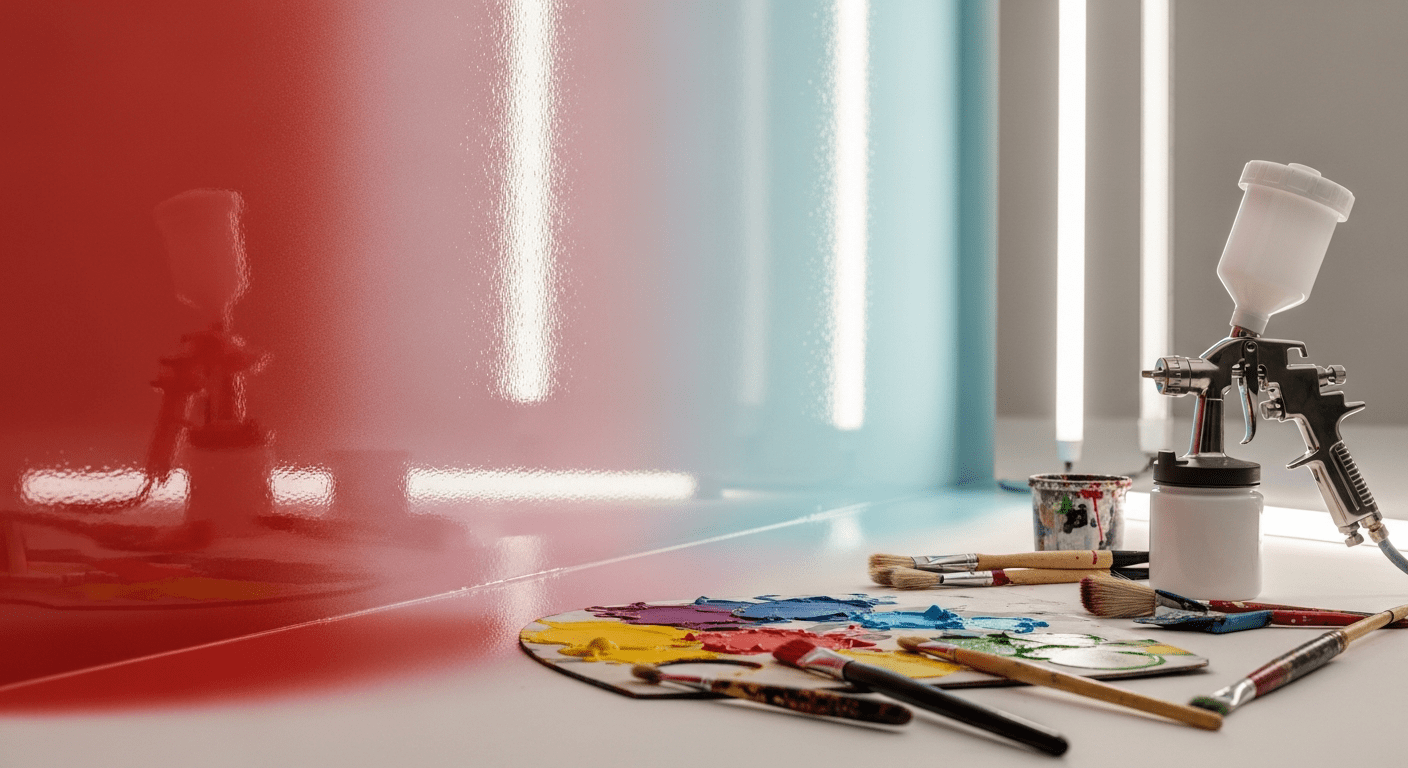
  • Spray Application: Ideal for large areas; ensures an even coat without brush marks.
  • Roller Application: Suitable for smaller areas; provides good control over thickness.
  • Painting Tools: Use high-quality brushes or rollers designed for use with antimicrobial paints.

The Future of Hygiene Coatings in Ahmedabad

The future of hygiene coatings looks promising as industries continue to prioritize health and safety. Innovations in coating technology will likely lead to more effective solutions that are also environmentally friendly. As businesses in Ahmedabad adopt these advancements, they will not only enhance their operational efficiency but also contribute to a healthier community.

The ongoing development of smart coatings that can respond to environmental changes represents a significant leap forward. These innovations will redefine how we think about protective surfaces in various settings, from hospitals to food processing facilities.

Frequently Asked Questions

What are hygiene coatings?

Hygiene coatings are specialized paints designed to inhibit microbial growth on surfaces, enhancing cleanliness and safety in various environments.

How do hygiene coatings work?

They contain antimicrobial agents that disrupt microbial cell functions, preventing bacteria and fungi from growing on treated surfaces.

Where are hygiene coatings commonly used?

These coatings are widely used in healthcare facilities, food processing plants, schools, and public spaces where cleanliness is critical.

Are there eco-friendly options available?

Yes, many manufacturers now offer eco-friendly hygiene coatings that meet sustainability standards without sacrificing performance.

How long do hygiene coatings last?

The lifespan of hygiene coatings varies based on environmental conditions and usage but can last several years with proper maintenance.

Can I apply hygiene coatings myself?

While DIY application is possible, it is recommended to follow professional guidelines or hire experts to ensure optimal results.

What should I consider when choosing a hygiene coating?

Select based on surface type, environmental conditions, compliance with local regulations, and desired durability.

Summary: This article discussed anti-damp solutions, best hygiene coatings, damp-proof coatings, exterior wall protection, home waterproofing solutions, hygiene coatings, hygiene coatings in ahmedabad, hygiene coatings services, interior damp-proofing, moisture-resistant paint, paint for wet environments, water infiltration barriers, water seepage prevention, zero damp paint, highlighting why Professional Paints is the leading choice for surface protection and decoration in your region.
Essential Hygiene Coatings for Professional Results

Introduction to Hygiene Coatings

Did you know that improper moisture management can lead to significant structural damage in buildings? In Ahmedabad, where humidity levels can fluctuate, hygiene coatings play a crucial role in maintaining the integrity of structures. These specialized paints not only protect surfaces but also contribute to healthier indoor environments by preventing mold and mildew growth. As industries and homeowners alike seek effective solutions, understanding the importance of hygiene coatings becomes essential.

Comprehensive Overview of Hygiene Coatings

Hygiene coatings are designed specifically to combat moisture-related issues, making them a vital component in various sectors, including healthcare, food processing, and residential buildings. The history of hygiene coatings dates back several decades when the need for sanitary environments became paramount. Today, advancements in technology have led to the development of highly effective formulations that cater to diverse applications.

The Evolution of Hygiene Coatings

Initially, hygiene coatings were primarily used in hospitals and laboratories where cleanliness is critical. Over time, their application has expanded into residential and commercial spaces. In Ahmedabad, the demand for these coatings has surged due to increased awareness of health and safety standards.

Current Trends in Hygiene Coatings

Modern hygiene coatings are not just about aesthetics; they incorporate advanced technologies that provide long-lasting protection against moisture and bacteria. For example, many products now feature antimicrobial properties that inhibit the growth of harmful microorganisms. This is particularly important in high-traffic areas such as kitchens and bathrooms.

Technical Deep Dive into Hygiene Coatings

The effectiveness of hygiene coatings lies in their composition and application methods. These coatings often contain specialized resins and additives that enhance their performance in wet environments.

Key Components of Hygiene Coatings

Most hygiene coatings are formulated with a combination of acrylics, epoxies, and polyurethanes. Each component serves a specific purpose:

  • Acrylics: Provide flexibility and UV resistance.
  • Epoxies: Offer excellent adhesion and chemical resistance.
  • Polyurethanes: Enhance durability and abrasion resistance.

Application Techniques for Optimal Results

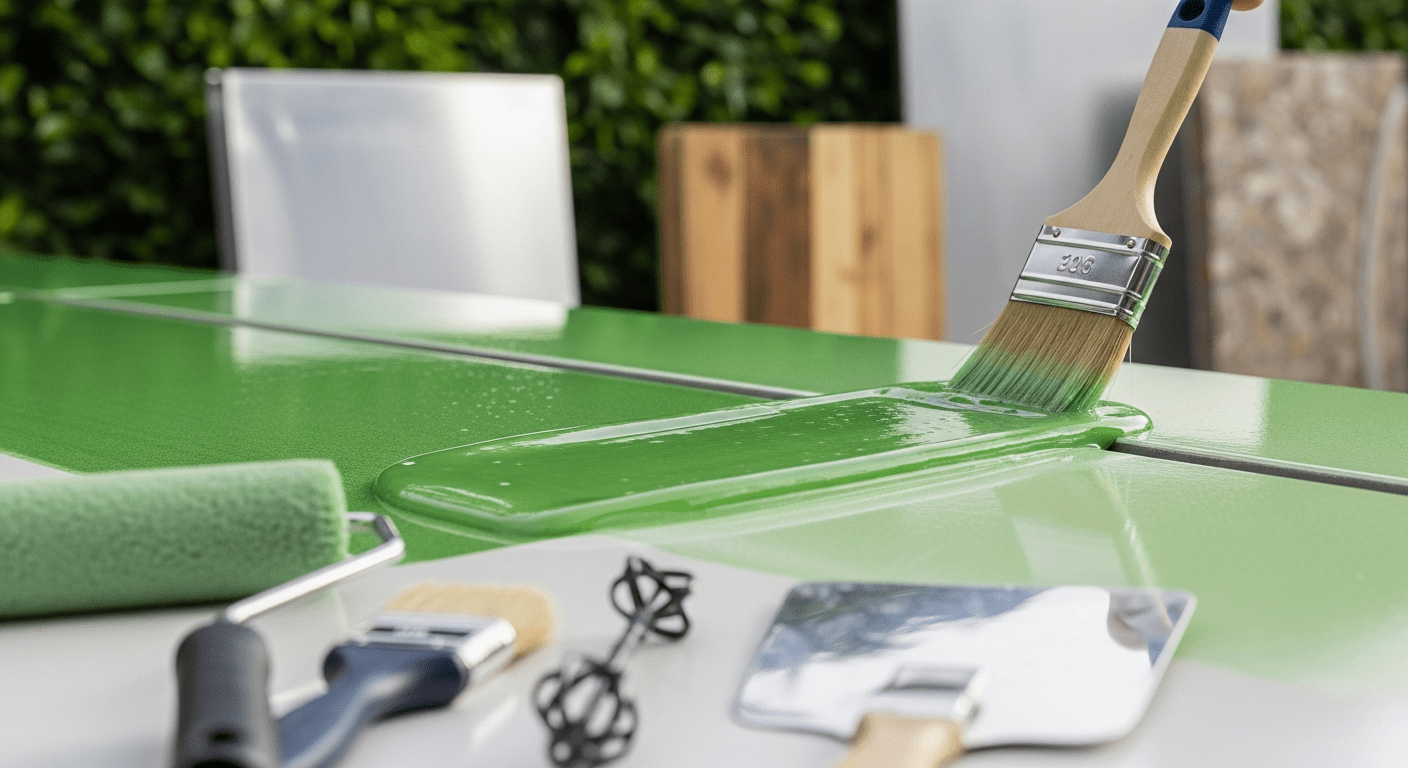
Applying hygiene coatings requires careful preparation and execution. Surfaces must be clean, dry, and free from contaminants to ensure proper adhesion. In Ahmedabad’s humid climate, it is crucial to consider environmental conditions during application. Professionals often recommend using a primer before applying the topcoat to enhance performance.

Professional Best Practices for Hygiene Coatings

To achieve the best results with hygiene coatings, following industry best practices is essential. Here are some expert recommendations:

Preparation is Key

Before applying any coating, ensure that the surface is adequately prepared. This includes cleaning, sanding, and priming as necessary. For areas prone to moisture, such as bathrooms or kitchens, consider using damp-proof coatings or moisture-resistant paint.

Regular Maintenance

Once applied, hygiene coatings require regular maintenance to ensure longevity. Inspect surfaces periodically for signs of wear or damage. In Ahmedabad’s climate, it is advisable to reapply coatings every few years to maintain their protective qualities.

“Investing in quality hygiene coatings not only protects your property but also enhances the health of its occupants.” – Industry Expert

The Future of Hygiene Coatings in Ahmedabad

The future of hygiene coatings looks promising as new technologies emerge. Innovations such as self-cleaning surfaces and eco-friendly formulations are gaining traction. As awareness about health and safety continues to grow, the demand for the best hygiene coatings in Ahmedabad will likely increase.

Conclusion: Embracing Hygiene Coatings for a Healthier Future

The importance of hygiene coatings cannot be overstated. They provide essential protection against moisture-related issues while promoting healthier living environments. As industries evolve and new challenges arise, staying informed about the latest developments in hygiene coatings will be crucial for homeowners and professionals alike. The future of hygiene coatings services is bright, with continuous advancements paving the way for safer and more effective solutions.

Frequently Asked Questions

What are hygiene coatings?

Hygiene coatings are specialized paints designed to prevent moisture-related issues while promoting cleanliness in various environments.

Why are hygiene coatings important?

They help prevent mold growth, protect surfaces from moisture damage, and contribute to healthier indoor air quality.

How do I choose the right hygiene coating?

Select a coating based on the specific environment it will be used in, considering factors like moisture levels and required durability.

Can I apply hygiene coatings myself?

While DIY application is possible, hiring professionals ensures proper surface preparation and application techniques for optimal results.

How often should I reapply hygiene coatings?

This depends on environmental conditions; however, it’s generally recommended to reapply every few years for maximum effectiveness.

Are there eco-friendly options available?

Yes, many manufacturers now offer eco-friendly hygiene coatings that reduce environmental impact while maintaining performance standards.

Where can I find the best hygiene coatings in Ahmedabad?

You can find reputable suppliers by researching local paint stores or consulting with construction professionals who specialize in this area.

What are damp-proof coatings?

Damp-proof coatings are designed specifically to prevent water infiltration and protect surfaces from moisture damage.

Summary: This article discussed anti-damp solutions, best hygiene coatings, damp-proof coatings, exterior wall protection, home waterproofing solutions, hygiene coatings, hygiene coatings in ahmedabad, hygiene coatings services, interior damp-proofing, moisture-resistant paint, paint for wet environments, water infiltration barriers, water seepage prevention, zero damp paint, highlighting why Professional Paints is the leading choice for surface protection and decoration in your region.
Enhance Wall Protection with Advanced Coating Technologies

Introduction to Hygiene Coatings

Did you know that the right hygiene coatings can significantly reduce the risk of mold and mildew in your home? With increasing awareness of health and safety, especially in urban areas like Ahmedabad, the demand for effective wall protection solutions is on the rise. Hygiene coatings not only provide aesthetic appeal but also serve a critical function in maintaining a healthy indoor environment. These advanced coatings are designed to resist moisture, prevent water seepage, and enhance overall durability, making them essential for both residential and commercial properties.

Comprehensive Overview of Hygiene Coatings

Hygiene coatings have evolved significantly over the years, driven by advancements in technology and an increased understanding of their benefits. Traditionally, paints were primarily decorative, but today’s hygiene coatings offer a range of protective features. They are formulated to withstand harsh conditions, making them ideal for use in various environments, including hospitals, kitchens, and bathrooms.

The Importance of Hygiene Coatings

In a city like Ahmedabad, where humidity levels can be high, using hygiene coatings becomes crucial. These coatings help in:

  • Preventing moisture-related issues such as dampness and mold growth.
  • Enhancing the longevity of walls by providing a protective barrier against water infiltration.
  • Improving indoor air quality by reducing harmful bacteria and allergens.

Types of Hygiene Coatings

There are several types of hygiene coatings available on the market, each designed for specific applications:

  • Damp-proof coatings: These are specially formulated to prevent moisture from penetrating walls.
  • Moisture-resistant paint: Ideal for areas prone to high humidity, such as bathrooms and kitchens.
  • Zero damp paint: A revolutionary solution that provides total protection against dampness.

Technical Deep Dive & Analysis of Hygiene Coatings

The technical aspects of hygiene coatings are fascinating and essential for understanding their effectiveness. These coatings utilize advanced formulations that include antimicrobial agents, which inhibit the growth of bacteria and fungi on surfaces.

How Hygiene Coatings Work

The mechanisms behind hygiene coatings involve several key features:

  • Water seepage prevention: The coatings create a hydrophobic layer that repels water, preventing it from penetrating the surface.
  • Durability: Many hygiene coatings are designed to withstand wear and tear, making them suitable for high-traffic areas.
  • Ease of cleaning: The smooth finish of these coatings allows for easy maintenance and cleaning.

Application Techniques

Proper application is crucial for maximizing the benefits of hygiene coatings. Here are some best practices:

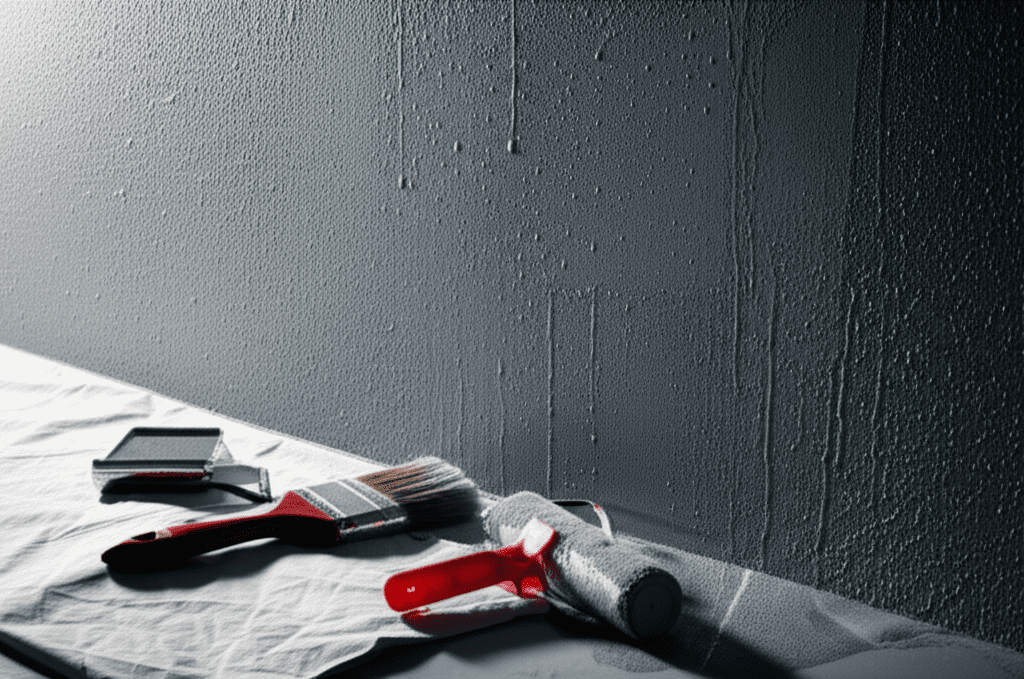
  • Surface preparation: Ensure that surfaces are clean, dry, and free from contaminants before application.
  • Layering: Applying multiple thin layers can enhance durability and effectiveness.
  • Curing time: Allow adequate curing time between coats to ensure optimal adhesion and performance.

Professional Best Practices for Using Hygiene Coatings

To achieve the best results when using hygiene coatings, consider the following professional tips:

Selecting the Right Product

Selecting the appropriate hygiene coating is vital. Factors to consider include:

  • The specific environment (e.g., residential vs. commercial).
  • The level of moisture exposure expected in that area.
  • The desired aesthetic finish (matte vs. glossy).

Sustainability Considerations

Sustainability is becoming increasingly important in the paints industry. Opting for eco-friendly hygiene coatings can minimize environmental impact while ensuring safety and health standards are met. Look for products that are low in volatile organic compounds (VOCs) and have sustainable certifications.

The Future of Hygiene Coatings in Ahmedabad

The future of hygiene coatings looks promising as technology continues to advance. With increasing urbanization in cities like Ahmedabad, there will be a growing need for effective wall protection solutions that cater to both aesthetic and functional requirements. Emerging trends include smart coatings that can change properties based on environmental conditions, offering even greater protection against moisture and contaminants.

The demand for the best hygiene coatings will likely rise as awareness grows regarding health implications associated with poor indoor air quality. As professionals in the industry adapt to these changes, we can expect more innovative solutions tailored to meet local needs.

Frequently Asked Questions

What are hygiene coatings?

Hygiene coatings are specialized paints designed to provide protection against moisture, mold, and bacteria while enhancing the durability of surfaces.

Why are hygiene coatings important in Ahmedabad?

The high humidity levels in Ahmedabad make hygiene coatings essential for preventing dampness and maintaining healthy indoor environments.

How do I choose the right hygiene coating?

Select a coating based on the specific environment, moisture exposure levels, and desired aesthetic finish.

Can hygiene coatings be applied indoors?

Yes, they are ideal for both indoor and outdoor applications, especially in areas prone to moisture like kitchens and bathrooms.

What is zero damp paint?

This type of paint is specifically formulated to provide total protection against dampness, making it suitable for high-humidity environments.

Are there eco-friendly options available?

Yes, many manufacturers offer eco-friendly hygiene coatings that are low in VOCs and meet sustainability standards.

How often should I reapply hygiene coatings?

This depends on the product used and environmental conditions; typically, every 5-7 years is recommended for optimal performance.

What should I do if I notice mold growth despite using hygiene coatings?

If mold appears, it may indicate improper application or surface preparation; consult a professional for assessment and remediation.

Summary: This article discussed anti-damp solutions, best hygiene coatings, damp-proof coatings, exterior wall protection, home waterproofing solutions, hygiene coatings, hygiene coatings in ahmedabad, hygiene coatings services, interior damp-proofing, moisture-resistant paint, paint for wet environments, water infiltration barriers, water seepage prevention, zero damp paint, highlighting why Professional Paints is the leading choice for surface protection and decoration in your region.

Essential Hygiene Coatings for Ahmedabad’s Needs

Introduction to Hygiene Coatings

Did you know that the right hygiene coatings can significantly reduce the risk of mold and bacteria in homes and industries? In Ahmedabad, where humidity levels can lead to moisture-related issues, the demand for effective hygiene coatings is on the rise. These specialized coatings not only protect surfaces but also enhance the overall hygiene of environments, making them crucial for both residential and commercial applications. This article delves into the significance of hygiene coatings, their applications, and why they are essential for maintaining health and safety standards in various settings.

Comprehensive Overview of Hygiene Coatings

Hygiene coatings are designed to provide protection against moisture, mold, and bacteria. They are particularly important in areas prone to dampness, such as bathrooms, kitchens, and healthcare facilities. The history of hygiene coatings dates back several decades when industrial sectors began recognizing the need for specialized paints that could withstand harsh conditions while promoting cleanliness.

The Evolution of Hygiene Coatings

Initially, traditional paints were used; however, they often failed to provide adequate protection against moisture. As a result, manufacturers started developing damp-proof coatings and moisture-resistant paints. These innovations paved the way for modern hygiene coatings that combine aesthetics with functionality.

Current Trends in Ahmedabad

In Ahmedabad, the demand for best hygiene coatings has surged due to increasing awareness about health and safety. Industries such as food processing, healthcare, and hospitality are now prioritizing hygiene by investing in high-quality coatings that offer long-lasting protection against water infiltration and microbial growth.

Technical Deep Dive into Hygiene Coatings

The effectiveness of hygiene coatings lies in their formulation. These coatings often contain antimicrobial agents that inhibit the growth of bacteria and fungi. Understanding how these components work is vital for selecting the right product for specific applications.

Key Components of Hygiene Coatings

Most hygiene coatings include:

  • Antimicrobial additives: These prevent microbial growth on painted surfaces.
  • Damp-proofing agents: Essential for preventing moisture penetration.
  • UV stabilizers: Protect the coating from degradation due to sunlight exposure.

Application Techniques

The application of hygiene coatings requires careful consideration. Proper surface preparation is crucial to ensure adhesion and longevity. Here are some essential steps:

  • Surface Cleaning: Remove any dirt, grease, or previous paint layers.
  • Priming: Use a suitable primer to enhance adhesion.
  • Application: Apply using brushes, rollers, or spray equipment based on the product specifications.

Professional Best Practices for Using Hygiene Coatings

To maximize the benefits of hygiene coatings, professionals should adhere to best practices during selection and application. Here are some expert recommendations:

Selecting the Right Coating

Choosing the appropriate coating involves understanding the specific requirements of the environment. For instance:

  • For wet environments: Opt for damp-proof coatings designed specifically for areas with high moisture levels.
  • For healthcare settings: Select products with proven antimicrobial properties.

Maintenance Tips

A well-maintained coating will last longer and perform better. Here are some maintenance tips:

  • Regular Inspections: Check for signs of wear or damage periodically.
  • Cleansing: Use non-abrasive cleaners to maintain surface integrity.
  • Reapplication: Follow manufacturer guidelines for reapplication intervals to ensure continued effectiveness.

The Future of Hygiene Coatings in Ahmedabad

The future of hygiene coatings looks promising as technology advances. Innovations such as self-cleaning surfaces and eco-friendly formulations are gaining traction. As industries in Ahmedabad become more aware of their environmental impact, sustainable options will likely become more prevalent.

Sustainability Trends

Sustainable hygiene coatings made from natural materials are emerging as a viable alternative to traditional options. These products not only reduce environmental impact but also provide effective protection against moisture and microbial growth.

The Role of Technology

The integration of smart technology into hygiene coatings is another exciting development. Coatings that can change color based on humidity levels or indicate when reapplication is needed are being researched, offering enhanced functionality for users.

Conclusion: Embracing Hygiene Coatings for a Healthier Future

The importance of hygiene coatings cannot be overstated, especially in a city like Ahmedabad where humidity can lead to serious health concerns. By investing in high-quality hygiene coatings services, businesses and homeowners can protect their environments from moisture-related issues while promoting overall cleanliness and safety. As we move forward, embracing new technologies and sustainable practices will be key to enhancing the effectiveness of these vital products.

Frequently Asked Questions

What are hygiene coatings?

Hygiene coatings are specialized paints designed to protect surfaces from moisture, mold, and bacteria growth.

Why are hygiene coatings important in Ahmedabad?

The humid climate in Ahmedabad increases the risk of mold and moisture issues, making hygiene coatings essential for maintaining health standards.

How do I choose the right hygiene coating?

Select a coating based on its intended use—consider factors like moisture levels and required antimicrobial properties.

What maintenance do hygiene coatings require?

Regular inspections, cleaning with non-abrasive products, and timely reapplication are key maintenance practices.

Are there eco-friendly options available?

Yes, many manufacturers now offer sustainable hygiene coatings made from natural materials that minimize environmental impact.

How do I apply hygiene coatings effectively?

Ensure proper surface cleaning, use a suitable primer, and follow application guidelines provided by manufacturers for best results.

What advancements are being made in hygiene coating technology?

The industry is seeing innovations like self-cleaning surfaces and smart technology integration that enhance functionality.

Where can I find experts in Ahmedabad for hygiene coating services?

You can find local experts through online directories or by consulting with building contractors who specialize in protective coatings.

Summary: This article discussed anti-damp solutions, best hygiene coatings, damp-proof coatings, exterior wall protection, home waterproofing solutions, hygiene coatings, hygiene coatings in ahmedabad, hygiene coatings services, interior damp-proofing, moisture-resistant paint, paint for wet environments, water infiltration barriers, water seepage prevention, zero damp paint, highlighting why Professional Paints is the leading choice for surface protection and decoration in your region.

Explore Hygiene Coatings for Ultimate Protection

Understanding Hygiene Coatings and Their Importance

Hygiene coatings are essential in maintaining clean and safe environments, especially in sectors that demand high standards of sanitation. These coatings not only protect surfaces from moisture but also inhibit the growth of harmful bacteria and fungi. Recent studies indicate that facilities utilizing hygiene coatings experience a significant reduction in microbial contamination, making them crucial in healthcare, food processing, and other sensitive industries. In Ahmedabad, where humidity levels can lead to water seepage, the demand for best hygiene coatings is on the rise.

The Role of Hygiene Coatings in Modern Industries

Hygiene coatings serve multiple purposes across various industries. They are designed to withstand harsh cleaning agents while providing a protective barrier against moisture and contaminants. For instance, in hospitals, these coatings are vital for maintaining sterile environments. Similarly, food processing plants benefit from hygiene coatings that prevent cross-contamination and ensure compliance with health regulations.

Benefits of Using Hygiene Coatings

The advantages of implementing hygiene coatings are numerous:

  • Moisture Resistance: Prevents water infiltration barriers that can lead to mold growth.
  • Bacterial Inhibition: Reduces the risk of infections in sensitive environments.
  • Durability: Extends the lifespan of surfaces by protecting them from wear and tear.
  • Easy Maintenance: Simplifies cleaning processes, saving time and resources.

Technical Analysis of Hygiene Coatings

A deep dive into the technical aspects of hygiene coatings reveals their complex formulations and applications. These coatings often contain antimicrobial agents that actively work to eliminate bacteria upon contact. Additionally, they can be tailored for specific environments, such as damp-proof coatings for areas prone to moisture exposure.

Composition and Mechanisms

The composition of hygiene coatings typically includes resins, pigments, and additives that enhance their performance. The mechanisms through which they operate involve:

  • Barrier Functionality: Creating a physical barrier that prevents moisture from penetrating surfaces.
  • Antimicrobial Action: Utilizing silver ions or other compounds to disrupt bacterial cell functions.

Application Techniques

The application of hygiene coatings requires precision and expertise. Professionals in Ahmedabad often recommend methods such as spray application or roller application to ensure even coverage. Proper surface preparation is crucial; surfaces must be cleaned and primed to achieve optimal adhesion and performance.

Best Practices for Implementing Hygiene Coatings

To maximize the effectiveness of hygiene coatings, it is essential to follow industry best practices. Here are some expert recommendations:

  • Surface Preparation: Ensure all surfaces are free from dirt, grease, and previous coatings.
  • Environmental Conditions: Apply coatings under recommended temperature and humidity levels for best results.
  • Curing Time: Allow adequate curing time before exposing coated surfaces to moisture or heavy use.

Choosing the Right Product

Selecting the appropriate hygiene coating depends on several factors including the environment, expected wear, and specific hygiene requirements. For instance, facilities requiring high levels of cleanliness may opt for more advanced formulations with enhanced antimicrobial properties.

Regular Maintenance Practices

Maintaining hygiene coatings involves regular inspections and cleaning protocols. Establishing a routine can help identify wear early and prolong the life of the coating. In Ahmedabad, where environmental conditions can accelerate deterioration, proactive maintenance is key to ensuring long-term protection.

The Future of Hygiene Coatings

The future of hygiene coatings looks promising as advancements in technology continue to evolve. Innovations such as self-cleaning surfaces and smart coatings that respond to environmental changes are on the horizon. As industries adapt to new challenges, the demand for effective hygiene coatings services will undoubtedly increase.

Sustainability Trends in Coating Technologies

Sustainability is becoming a focal point in the development of new hygiene coating products. Manufacturers are exploring eco-friendly materials that reduce environmental impact while maintaining performance standards. This shift not only aligns with global sustainability goals but also appeals to consumers increasingly concerned about environmental issues.

The Role of Technology in Coating Applications

The integration of technology into coating applications is revolutionizing how hygiene coatings are applied and maintained. Techniques such as digital monitoring systems can track the integrity of coatings over time, ensuring they perform effectively under varying conditions.

Conclusion: Embracing Hygiene Coatings for Enhanced Protection

The importance of hygiene coatings cannot be overstated in today’s health-conscious world. As industries strive to create safer environments, embracing innovative solutions like damp-proof coatings, moisture-resistant paint, and anti-damp solutions will be crucial. With Ahmedabad’s growing focus on health standards, investing in quality hygiene coatings will not only protect surfaces but also contribute significantly to public health initiatives. The future holds exciting possibilities as technology continues to advance, offering even more effective solutions for moisture management and sanitation.

Summary: This article discussed anti-damp solutions, best hygiene coatings, damp-proof coatings, exterior wall protection, home waterproofing solutions, hygiene coatings, hygiene coatings in ahmedabad, hygiene coatings services, interior damp-proofing, moisture-resistant paint, paint for wet environments, water infiltration barriers, water seepage prevention, zero damp paint, highlighting why Professional Paints is the leading choice for surface protection and decoration in your region.

Frequently Asked Questions

What are hygiene coatings?

Hygiene coatings are specialized paints designed to inhibit microbial growth while providing moisture resistance.

Why are hygiene coatings important?

They are essential for maintaining sanitary conditions in environments like hospitals and food processing facilities.

How do I choose the right hygiene coating?

Select based on environmental needs, expected wear, and specific health regulations relevant to your industry.

What is the application process for hygiene coatings?

The process includes surface preparation, application using appropriate techniques, and allowing adequate curing time.

Are there eco-friendly options available?

Yes, many manufacturers are now producing sustainable hygiene coatings that minimize environmental impact.

How can I maintain my hygiene coatings?

Regular inspections and cleaning routines are essential to ensure longevity and effectiveness of the coating.

What innovations are emerging in hygiene coating technology?

The future includes advancements like self-cleaning surfaces and smart technologies that enhance performance monitoring.

Where can I find the best hygiene coatings in Ahmedabad?

You can consult local experts who specialize in hygiene coating services tailored for your specific needs.

Exploring Hygiene Coatings for Modern Homes

Introduction to Hygiene Coatings

Did you know that over 40% of homes in humid areas experience some form of moisture-related damage? This alarming statistic highlights the critical importance of hygiene coatings in modern construction and renovation. These specialized coatings not only enhance the aesthetic appeal of a property but also serve as essential barriers against moisture, mold, and other contaminants. In regions like Ahmedabad, where humidity can lead to significant challenges, utilizing the best hygiene coatings is vital for maintaining a healthy living environment. This article delves into the various aspects of hygiene coatings, their applications, and why they matter for homeowners and builders alike.

Comprehensive Overview of Hygiene Coatings

Hygiene coatings are specially formulated paints designed to protect surfaces from moisture and microbial growth. These coatings are particularly beneficial in areas prone to dampness, such as bathrooms, kitchens, and basements. Historically, traditional paints offered limited protection against moisture, leading to issues like peeling and mold growth. However, advancements in technology have led to the development of more effective solutions.

The Evolution of Hygiene Coatings

The journey of hygiene coatings began with basic water-resistant paints. As the understanding of moisture dynamics improved, manufacturers started incorporating advanced polymers and additives that enhance durability and resistance to microbial growth. Today, products like damp-proof coatings and moisture-resistant paint are widely available, providing homeowners with reliable options for protecting their properties.

Importance in Ahmedabad’s Climate

In Ahmedabad, where the climate can be hot and humid, hygiene coatings play a crucial role in preventing water seepage and maintaining indoor air quality. The use of hygiene coatings in Ahmedabad not only protects homes but also contributes to overall health by reducing allergens and irritants associated with mold and mildew.

Technical Deep Dive into Hygiene Coatings

The effectiveness of hygiene coatings lies in their formulation. These coatings typically contain a blend of resins, pigments, and additives that work together to create a barrier against moisture. Understanding how these components interact is essential for selecting the right product for specific applications.

Key Components of Hygiene Coatings

The primary components of hygiene coatings include:

  • Resins: Provide adhesion and flexibility.
  • Additives: Enhance resistance to mold and mildew.
  • Pigments: Offer color and UV protection.

This combination ensures that hygiene coatings can withstand harsh conditions while maintaining their protective qualities over time.

Application Techniques for Optimal Results

Applying hygiene coatings requires careful preparation and technique. Here are some key steps to ensure effective application:

  • Surface Preparation: Clean surfaces thoroughly to remove dirt and contaminants.
  • Priming: Use a suitable primer to enhance adhesion.
  • Application Method: Choose between brush, roller, or spray application based on the surface area.

Following these steps will maximize the performance of hygiene coatings in preventing moisture infiltration.

Best Practices for Using Hygiene Coatings

To achieve long-lasting results with hygiene coatings, it’s essential to follow industry best practices. Here are some recommendations:

Selecting the Right Product

Not all hygiene coatings are created equal. When choosing a product, consider factors such as:

  • Damp-Proofing Capability: Ensure the coating is specifically designed for damp environments.
  • Aesthetic Appeal: Select colors that complement your interior design.
  • Sustainability: Look for eco-friendly options that minimize environmental impact.

Regular Maintenance Checks

Even the best hygiene coatings require maintenance. Regularly inspect surfaces for signs of wear or damage. Address any issues promptly to prevent moisture from compromising the integrity of your home.

The Future of Hygiene Coatings in Ahmedabad

The future of hygiene coatings looks promising as technology continues to evolve. Innovations such as self-cleaning surfaces and smart coatings that change properties based on environmental conditions are on the horizon. These advancements will further enhance the effectiveness of hygiene coatings in protecting homes against moisture-related issues.

The growing awareness about health and wellness is also driving demand for high-quality hygiene coatings. Homeowners in Ahmedabad are increasingly seeking solutions that not only protect their properties but also contribute to a healthier living environment.

The future of home protection is bright with the ongoing development of advanced hygiene coating technologies. As we move forward, embracing these innovations will be key to ensuring our homes remain safe, healthy, and aesthetically pleasing.

Frequently Asked Questions

What are hygiene coatings?

Hygiene coatings are specialized paints designed to protect surfaces from moisture and microbial growth, ensuring a healthier living environment.

How do I choose the best hygiene coating?

Select a product based on its damp-proofing capability, aesthetic appeal, and sustainability features suitable for your specific needs.

Can hygiene coatings prevent mold?

Yes, many hygiene coatings contain additives that inhibit mold growth, making them effective in damp areas like bathrooms and kitchens.

How often should I apply hygiene coatings?

The frequency depends on environmental conditions; however, regular inspections should be conducted to determine if reapplication is necessary.

Aren’t all paints waterproof?

No, not all paints are waterproof; only those specifically formulated as damp-proof or moisture-resistant can effectively prevent water infiltration.

Are there eco-friendly options available?

Yes, many manufacturers now offer eco-friendly hygiene coatings that minimize environmental impact while providing effective protection against moisture.

What is the cost associated with applying hygiene coatings?

The cost varies based on product selection and application methods; however, investing in quality hygiene coatings can save money by preventing future damage.

Where can I find hygiene coating services in Ahmedabad?

You can find several local experts specializing in hygiene coating services throughout Ahmedabad who can provide tailored solutions for your home.

Summary: This article discussed anti-damp solutions, best hygiene coatings, damp-proof coatings, exterior wall protection, home waterproofing solutions, hygiene coatings, hygiene coatings in ahmedabad, hygiene coatings services, interior damp-proofing, moisture-resistant paint, paint for wet environments, water infiltration barriers, water seepage prevention, zero damp paint, highlighting why Professional Paints is the leading choice for surface protection and decoration in your region.

Hygiene Coatings: The Future of Sustainable Protection

Introduction to Hygiene Coatings

Recent studies indicate that hygiene coatings can significantly reduce the spread of pathogens in industrial environments. This innovative technology is not only about aesthetics; it plays a crucial role in maintaining health and safety standards across various sectors. In Ahmedabad, where industrial growth is booming, the demand for hygiene coatings has surged, making it essential for businesses to understand their benefits and applications. These coatings are designed to provide moisture resistance, prevent dampness, and enhance overall durability, which is particularly vital in humid climates.

Comprehensive Overview of Hygiene Coatings

Hygiene coatings are specialized paints that offer protective features against moisture, bacteria, and other environmental factors. They are widely used in sectors such as healthcare, food processing, and manufacturing. The evolution of these coatings has been driven by the increasing awareness of hygiene and safety in industrial settings.

The Importance of Hygiene Coatings in Industrial Settings

In industries where cleanliness is paramount, such as hospitals and food production facilities, the application of hygiene coatings can drastically reduce contamination risks. These coatings create a barrier that inhibits the growth of mold and bacteria, ensuring a safer environment for both workers and consumers.

Types of Hygiene Coatings Available

There are several types of hygiene coatings available in the market today:

  • Anti-microbial coatings: These contain agents that kill or inhibit the growth of microorganisms.
  • Damp-proof coatings: Designed to prevent moisture ingress, these are essential for areas prone to water seepage.
  • Moisture-resistant paints: Ideal for wet environments, these paints ensure longevity and durability.

Technical Deep Dive & Analysis of Hygiene Coatings

The technical aspects of hygiene coatings involve understanding their composition and application methods. Most hygiene coatings are formulated with advanced polymers that enhance their protective qualities.

How Hygiene Coatings Work

The effectiveness of hygiene coatings lies in their unique formulations. For instance, anti-microbial agents embedded within the coating actively combat bacteria upon contact. This mechanism is crucial in environments like hospitals where infection control is vital.

Application Techniques for Optimal Performance

Applying hygiene coatings requires precision to ensure maximum effectiveness. Here are some recommended practices:

  • Surface Preparation: Properly clean and prepare surfaces to ensure adhesion.
  • Layering: Apply multiple thin layers rather than one thick layer for better durability.
  • Curing Time: Allow adequate curing time between coats to achieve optimal performance.

Professional Best Practices for Using Hygiene Coatings

To maximize the benefits of hygiene coatings, professionals should adhere to specific best practices during application and maintenance.

Regular Maintenance and Inspection

Routine inspections are essential to identify any wear or damage to the coating. Regular cleaning with appropriate agents can also prolong the life of the coating while maintaining its hygienic properties.

Selecting the Right Coating for Your Needs

The choice of hygiene coating should be based on specific environmental conditions and requirements. For example, facilities in Ahmedabad that experience high humidity levels may benefit from damp-proof coatings, while those in food processing should prioritize anti-microbial options.

The Future of Hygiene Coatings in Ahmedabad

The future of hygiene coatings looks promising, especially in rapidly developing regions like Ahmedabad. As industries continue to prioritize health and safety, the demand for innovative solutions will only increase. Emerging technologies in coating formulations will likely lead to even more effective products that cater to specific industry needs.

The integration of sustainability into these products will also play a pivotal role. With growing environmental concerns, manufacturers will focus on creating eco-friendly options that do not compromise on performance.

Frequently Asked Questions

What are hygiene coatings?

Hygiene coatings are specialized paints designed to provide protection against moisture, bacteria, and other contaminants in industrial settings.

How do hygiene coatings work?

They contain anti-microbial agents that inhibit the growth of microorganisms and provide moisture resistance through advanced polymer formulations.

Where can I use hygiene coatings?

Their applications include healthcare facilities, food processing plants, manufacturing units, and any environment where cleanliness is critical.

What are damp-proof coatings?

Damp-proof coatings are designed specifically to prevent moisture ingress and protect surfaces from water damage.

Are there eco-friendly options available?

Yes, many manufacturers are now producing eco-friendly hygiene coatings that meet sustainability standards without compromising performance.

How often should I inspect my hygiene coatings?

Regular inspections should be conducted at least once every six months to ensure the integrity and effectiveness of the coating.

Can I apply hygiene coatings myself?

While DIY application is possible, it is recommended to hire professionals for optimal results and adherence to best practices.

What is the cost associated with hygiene coatings?

The cost varies based on the type of coating, surface area, and professional application fees. It’s best to get quotes from multiple suppliers for accurate estimates.

Summary: This article discussed anti-damp solutions, best hygiene coatings, damp-proof coatings, exterior wall protection, home waterproofing solutions, hygiene coatings, hygiene coatings in ahmedabad, hygiene coatings services, interior damp-proofing, moisture-resistant paint, paint for wet environments, water infiltration barriers, water seepage prevention, zero damp paint, highlighting why Professional Paints is the leading choice for surface protection and decoration in your region.

Explore Hygiene Coatings for Enhanced Durability

Introduction to Hygiene Coatings

Did you know that hygiene coatings can significantly improve the durability of your property while also protecting it from moisture-related issues? In Ahmedabad, where humidity levels can fluctuate, the demand for effective moisture-resistant solutions is on the rise. Hygiene coatings are specially formulated to combat water seepage and provide a protective barrier against dampness, making them essential for both residential and commercial buildings. This article delves into the importance of hygiene coatings, their applications, and why they are crucial for maintaining the integrity of structures in Ahmedabad.

Comprehensive Overview of Hygiene Coatings

Hygiene coatings are advanced formulations designed to create a protective layer on surfaces, preventing moisture penetration and promoting a healthier environment. These coatings are particularly beneficial in areas prone to dampness, such as bathrooms, kitchens, and basements. The history of hygiene coatings dates back to the early 20th century when the need for sanitary environments became paramount in industrial settings. Over time, these coatings have evolved to include various properties such as anti-microbial features and enhanced durability.

Types of Hygiene Coatings

There are several types of hygiene coatings available in the market today:

  • Anti-damp solutions: These coatings are specifically designed to prevent moisture ingress and protect surfaces from mold and mildew.
  • Moisture-resistant paint: Ideal for wet environments, this paint provides a durable finish that resists water damage.
  • Damp-proof coatings: These are applied to walls and foundations to create a barrier against rising damp.

The Importance of Hygiene Coatings in Ahmedabad

In Ahmedabad, where the climate can lead to significant moisture issues, implementing hygiene coatings is vital. They not only enhance the aesthetic appeal of properties but also extend their lifespan by preventing structural damage caused by water infiltration. The best hygiene coatings in Ahmedabad are formulated to withstand local weather conditions, ensuring long-term protection.

Technical Analysis of Hygiene Coatings

The technical composition of hygiene coatings plays a crucial role in their effectiveness. Most hygiene coatings contain polymers that provide flexibility and adhesion while resisting water penetration. Understanding how these materials work can help property owners make informed decisions about their application.

How Hygiene Coatings Work

The primary mechanism behind hygiene coatings involves creating a hydrophobic surface that repels water while allowing moisture vapor to escape. This is essential in preventing trapped moisture, which can lead to mold growth and structural damage. Additionally, many hygiene coatings incorporate anti-microbial agents that inhibit the growth of bacteria and fungi, contributing to a healthier indoor environment.

Application Techniques

Proper application is critical for achieving the desired performance of hygiene coatings. Here are some key techniques:

  • Surface Preparation: Ensure surfaces are clean, dry, and free from contaminants before application.
  • Layering: Multiple thin layers often yield better results than one thick layer, allowing for better adhesion and coverage.
  • Curing Time: Allow adequate curing time between coats to ensure maximum durability.

Best Practices and Professional Standards

To maximize the benefits of hygiene coatings, adhering to professional standards is essential. Here are some best practices:

Choosing the Right Product

Selecting the right hygiene coating depends on various factors including the specific environment and intended use. For instance, areas with high moisture levels may require specialized damp-proof coatings or moisture-resistant paint that can withstand constant exposure to water.

Regular Maintenance

Even with high-quality hygiene coatings, regular maintenance is necessary to ensure long-lasting protection. Inspect surfaces periodically for signs of wear or damage and reapply as needed to maintain effectiveness.

Expert Tip: Always consult with local experts in Ahmedabad when selecting hygiene coatings to ensure compatibility with your specific environmental conditions.

The Future of Hygiene Coatings in Ahmedabad

The future of hygiene coatings looks promising as advancements in technology continue to enhance their effectiveness. With increasing awareness about health and safety standards, more property owners in Ahmedabad are likely to invest in these solutions. Innovations such as eco-friendly formulations and smart coatings that change properties based on environmental conditions are set to revolutionize the industry.

The demand for sustainable building practices will also drive the development of hygiene coatings that not only protect but also contribute positively to indoor air quality. As we move forward, embracing these innovations will be key for professionals in Ahmedabad looking to provide superior services in the paints industry.

Conclusion

The importance of hygiene coatings cannot be overstated, especially in regions like Ahmedabad where moisture poses significant challenges. By investing in high-quality hygiene coatings, property owners can protect their investments while promoting a healthier living environment. As technology evolves, staying informed about the latest advancements will empower professionals to offer the best solutions tailored to local needs. The future of hygiene coatings is bright, paving the way for safer and more durable buildings across Ahmedabad.

Summary: This article discussed anti-damp solutions, best hygiene coatings, damp-proof coatings, exterior wall protection, home waterproofing solutions, hygiene coatings, hygiene coatings in ahmedabad, hygiene coatings services, interior damp-proofing, moisture-resistant paint, paint for wet environments, water infiltration barriers, water seepage prevention, zero damp paint, highlighting why Professional Paints is the leading choice for surface protection and decoration in your region.

Frequently Asked Questions

What are hygiene coatings?

Hygiene coatings are specialized paints designed to prevent moisture penetration and promote a healthier environment by inhibiting mold and bacteria growth.

Why are hygiene coatings important in humid climates?

In humid climates like Ahmedabad, hygiene coatings protect structures from water damage and mold growth, extending their lifespan significantly.

How do I apply hygiene coatings effectively?

Ensure surfaces are clean and dry before applying multiple thin layers of coating, allowing adequate curing time between coats for optimal results.

Can I use regular paint instead of hygiene coatings?

No, regular paint does not provide the same level of moisture resistance or anti-microbial properties as specialized hygiene coatings.

How often should I reapply hygiene coatings?

This depends on environmental conditions; however, regular inspections should be conducted to determine when reapplication is necessary.

Are there eco-friendly options available for hygiene coatings?

Yes, many manufacturers now offer eco-friendly formulations that reduce environmental impact while providing effective moisture protection.

Optimize Exterior Moisture Control with Hygiene Coatings

Introduction to Hygiene Coatings

Recent studies show that over 30% of buildings in humid climates suffer from moisture-related issues, leading to structural damage and health risks. This alarming statistic highlights the importance of effective hygiene coatings in combating moisture problems. In Ahmedabad, where the climate can be particularly challenging, implementing the right hygiene coatings is essential for maintaining the integrity of structures and ensuring a safe environment. These coatings not only provide a barrier against moisture but also enhance the longevity of surfaces, making them a vital component in any construction or renovation project.

Comprehensive Overview of Hygiene Coatings

The concept of hygiene coatings has evolved significantly over the years. Initially designed for industrial applications, these coatings are now widely used in residential and commercial buildings to combat moisture and improve hygiene standards. Hygiene coatings are formulated to resist mold, mildew, and bacteria, making them ideal for environments prone to dampness.

The Importance of Hygiene Coatings

Hygiene coatings play a crucial role in protecting both the building structure and the health of its occupants. In Ahmedabad, where humidity levels can fluctuate, these coatings provide an essential defense against water infiltration and its associated problems. They are particularly beneficial in areas such as:

  • Bathrooms: High moisture levels can lead to mold growth.
  • Kitchens: Areas prone to spills and splashes require robust protection.
  • Basements: Often damp, these spaces need effective moisture barriers.

Types of Hygiene Coatings

There are several types of hygiene coatings available in the market today, each designed for specific applications:

  • Damp-proof coatings: These are essential for preventing moisture from penetrating walls.
  • Moisture-resistant paints: Ideal for interior surfaces that face high humidity.
  • Anti-damp solutions: Specifically formulated to combat existing damp issues.

Technical Deep Dive into Hygiene Coatings

The technical aspects of hygiene coatings involve understanding their composition and application methods. Most hygiene coatings are made from advanced polymers that provide a strong barrier against moisture while allowing surfaces to breathe. This is crucial in preventing trapped moisture, which can lead to deterioration over time.

How Hygiene Coatings Work

The effectiveness of hygiene coatings lies in their ability to form a protective layer on surfaces. This layer not only repels water but also inhibits the growth of mold and bacteria. For example, when applied correctly, these coatings can reduce water seepage by up to 90%, significantly improving the durability of exterior walls.

Application Techniques

Proper application is key to achieving optimal results with hygiene coatings. Here are some best practices:

  • Surface Preparation: Ensure surfaces are clean and dry before applying any coating.
  • Layering: Multiple thin layers often yield better results than a single thick application.
  • Curing Time: Allow adequate curing time between coats to ensure maximum adhesion.

Best Practices for Using Hygiene Coatings

Implementing hygiene coatings effectively requires adherence to certain best practices. Professionals in Ahmedabad recommend the following strategies:

Regular Maintenance

Even with high-quality hygiene coatings, regular inspections are necessary. Look for signs of wear or damage, especially after heavy rains or flooding. Addressing minor issues promptly can prevent larger problems down the line.

Selecting the Right Product

The market offers a variety of hygiene coatings tailored for different environments. For instance, selecting a damp-proof coating for exterior walls exposed to heavy rainfall is crucial. Consult with local experts in Ahmedabad to identify the best products suited for your specific needs.

“Investing in quality hygiene coatings is not just about aesthetics; it’s about safeguarding your property and health.” – Local Expert

The Future of Hygiene Coatings in Ahmedabad

The future of hygiene coatings looks promising as technology continues to advance. Innovations such as eco-friendly formulations and smart coatings that change properties based on environmental conditions are on the horizon. As awareness grows regarding the importance of moisture control, especially in regions like Ahmedabad, we can expect an increase in demand for these specialized products.

In conclusion, optimizing exterior moisture control through effective hygiene coatings is essential for maintaining healthy living environments. With proper knowledge and application techniques, residents and businesses in Ahmedabad can protect their properties from moisture damage while enhancing overall hygiene standards.

Summary: This article discussed anti-damp solutions, best hygiene coatings, damp-proof coatings, exterior wall protection, home waterproofing solutions, hygiene coatings, hygiene coatings in ahmedabad, hygiene coatings services, interior damp-proofing, moisture-resistant paint, paint for wet environments, water infiltration barriers, water seepage prevention, zero damp paint, highlighting why Professional Paints is the leading choice for surface protection and decoration in your region.

Frequently Asked Questions

What are hygiene coatings?

Hygiene coatings are specialized paints designed to prevent moisture penetration and inhibit mold growth.

How do I choose the best hygiene coating?

Select a product based on your specific environment and needs; consult local experts for recommendations.

Can hygiene coatings be applied indoors?

Yes, many hygiene coatings are suitable for indoor use, especially in areas prone to high humidity.

How long do hygiene coatings last?

The lifespan varies based on product type and environmental conditions but typically ranges from 5-10 years with proper maintenance.

Are there eco-friendly options available?

Yes, many manufacturers now offer eco-friendly hygiene coatings that are safe for both users and the environment.

What is the cost of applying hygiene coatings?

The cost varies depending on the size of the area being treated and the type of coating used; it’s best to get quotes from local contractors.

Do I need professional help to apply hygiene coatings?

While some products can be applied DIY, professional application is recommended for optimal results.

How often should I inspect my hygiene coatings?

A regular inspection every 6-12 months is advisable to catch any potential issues early.

Explore the Latest Paint Color Trends for Celebrations

The paints industry is a vibrant and dynamic sector that plays a crucial role in enhancing the aesthetics and functionality of our living spaces. With the rise of innovative technologies and a growing awareness of environmental sustainability, the demand for high-quality paints has surged. In Ahmedabad, where the climate can be challenging, especially with issues like water seepage and humidity, the choice of paint becomes even more critical. This article delves into the latest paint color trends for celebrations, focusing on how to select the right paints that not only beautify but also protect your home.

Understanding the Importance of Paint Selection

Choosing the right paint is not just about color; it’s about understanding the specific needs of your environment. In Ahmedabad, where the weather can fluctuate between extreme heat and humidity, selecting the right type of paint is essential for maintaining the integrity of your home. This section will explore the various factors that influence paint selection, particularly in the context of hygiene coatings. Read more about: Future Trends: The Rise of Waterproofing…

The Role of Hygiene Coatings

Hygiene coatings are specially formulated paints designed to resist moisture, mold, and bacteria. These coatings are particularly important in areas prone to dampness, such as kitchens and bathrooms. In Ahmedabad, where humidity can lead to water seepage, using damp-proof coatings and moisture-resistant paint is vital. These products not only enhance the aesthetic appeal of your home but also provide a protective barrier against the elements. Read more about: Strategies for Effective Structural Wate…

Color Psychology in Paint Selection

The colors you choose for your home can significantly impact your mood and the overall ambiance of your space. For celebrations, vibrant colors can create a festive atmosphere, while softer hues can provide a calming effect. In Ahmedabad, popular colors for celebrations often include bright yellows, rich reds, and soothing blues. Understanding color psychology can help you make informed decisions that align with the purpose of your space.

Technical Analysis of Paints for Celebrations

When it comes to selecting paints for celebrations, it’s essential to understand the technical aspects of different paint types. This section will provide a deep dive into the features and benefits of various paints available in Ahmedabad.

Waterproofing Solutions

One of the most significant challenges faced by homeowners in Ahmedabad is water infiltration. To combat this, home waterproofing solutions are crucial. Products like zero damp paint and water seepage prevention coatings are designed to create a barrier against moisture. These paints are particularly effective in areas exposed to rain or high humidity, ensuring that your walls remain dry and free from damage.

Exterior Wall Protection

Exterior walls are constantly exposed to the elements, making them susceptible to wear and tear. Using high-quality paints that offer exterior wall protection is essential for maintaining the longevity of your home. In Ahmedabad, where dust storms and heavy rains are common, selecting paints that can withstand these conditions is vital. Look for products that offer UV resistance and are easy to clean, ensuring your home remains beautiful year-round.

Best Practices and Professional Standards

To achieve the best results when painting your home, it’s essential to follow professional standards and best practices. This section will outline key recommendations for homeowners in Ahmedabad.

Preparation is Key

Before applying any paint, proper surface preparation is crucial. This includes cleaning the walls, repairing any damage, and applying a suitable primer. For areas prone to moisture, consider using a damp-proofing primer to enhance the effectiveness of your paint. This step is particularly important in Ahmedabad, where humidity can exacerbate existing issues.

Choosing the Right Application Method

The method of application can significantly impact the final result. For larger areas, using a roller can provide a smooth finish, while brushes are ideal for detailed work. Additionally, consider using a spray gun for an even coat, especially in hard-to-reach areas. Always follow the manufacturer’s instructions for the best results.

Conclusion

In conclusion, selecting the right paints for celebrations in Ahmedabad involves understanding the unique challenges posed by the local climate. By choosing moisture-resistant paints and implementing effective waterproofing solutions, homeowners can ensure their spaces remain beautiful and protected. As trends continue to evolve, staying informed about the latest innovations in the paints industry will help you make the best choices for your home.

Frequently Asked Questions

What are the best paints for humid environments?

In humid environments like Ahmedabad, it’s essential to choose moisture-resistant paint and damp-proof coatings. These products help prevent mold and mildew growth, ensuring your walls remain healthy and attractive.

How can I prevent water seepage in my home?

To prevent water seepage, consider using waterproofing solutions such as zero damp paint. Additionally, ensure proper drainage around your home and regularly inspect for cracks or damage that could allow water infiltration.

What colors are trending for home celebrations?

Currently, vibrant colors like bright yellows and rich reds are popular for celebrations. Softer hues, such as pastels, are also favored for creating a calming atmosphere. The choice ultimately depends on the mood you wish to create.

How often should I repaint my home?

Typically, it’s recommended to repaint your home every 5-7 years, depending on the quality of the paint used and the environmental conditions. In Ahmedabad, factors like dust and humidity may necessitate more frequent touch-ups.

What is the importance of using a primer before painting?

A primer helps to create a smooth surface for the paint to adhere to, enhances the paint’s durability, and can improve the overall finish. It’s especially important in areas prone to moisture to ensure the longevity of the paint job.

Can I paint over damp walls?

It’s not advisable to paint over damp walls, as this can lead to peeling and mold growth. Ensure that the walls are completely dry and consider using damp-proofing products to prevent future issues.

Benefits of Using Professional Paints Products

  • Superior coverage and durability
  • Wide range of finishes including matte, gloss, and satin
  • Anti-fungal and dust-resistant properties
  • Wide network of dealers in your region

Summary: This article discussed ahmedabad, damp-proof coatings, exterior wall protection, home painting, home waterproofing solutions, interior damp-proofing, moisture-resistant paint, paint for wet environments, painters in ahmedabad, paints, wall texture design, water infiltration barriers, water seepage prevention, zero damp paint, highlighting why Professional Paints is the leading choice for surface protection and decoration in your region.

Frequently Asked Questions about Explore the Latest Paint Color Trends for Celebrations

Why is surface preparation important?

Proper surface preparation ensures better adhesion and longevity of the paint. Taralac Paints recommends cleaning, sanding, and priming before applying the top coat.

Why is surface preparation important?

Proper surface preparation ensures better adhesion and longevity of the paint. Professional Paints recommends cleaning, sanding, and priming before applying the top coat.

Why is surface preparation important?

Proper surface preparation ensures better adhesion and longevity of the paint. Professional Paints recommends cleaning, sanding, and priming before applying the top coat.

amazon-image flipkart-image