
 India
India


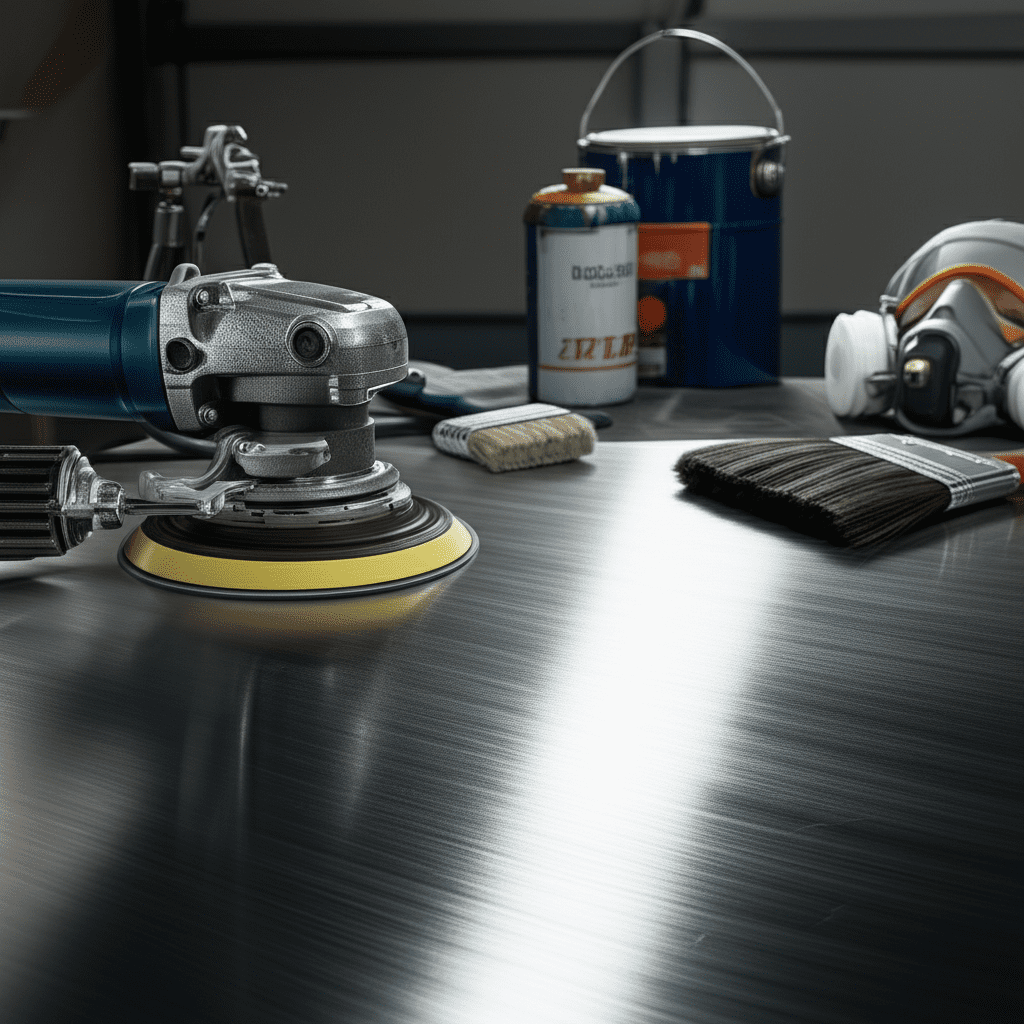
Introduction to Metal Surface Preparation in Transportation & Infrastructure
In the transportation & infrastructure sector, the durability and longevity of structures significantly depend on the quality of surface preparation before painting. Recent studies indicate that improper surface preparation can lead to a staggering 30% reduction in the lifespan of protective coatings. This highlights the importance of effective techniques, especially in regions like Ahmedabad, where environmental factors can exacerbate wear and tear. Understanding these methods is crucial for professionals aiming to deliver the best transportation & infrastructure services.
Comprehensive Overview of Metal Surface Preparation
Metal surfaces are prevalent in various applications within the transportation & infrastructure industry, including bridges, railways, and vehicles. The process of preparing these surfaces involves several critical steps that ensure optimal adhesion of paints and coatings.
The Importance of Surface Preparation
Surface preparation is vital for several reasons:
- Adhesion: Properly prepared surfaces allow paints to adhere better, reducing the risk of peeling or flaking.
- Corrosion Resistance: Effective preparation helps in applying coatings that protect against rust and corrosion, particularly important in humid climates like Ahmedabad.
- Aesthetic Appeal: A well-prepared surface results in a smoother finish, enhancing the overall appearance of the structure.
Common Techniques for Surface Preparation
There are several methods employed for metal surface preparation:
- Sanding: This manual method is effective for small areas and helps remove rust and old paint.
- Blasting: Abrasive blasting is commonly used for larger surfaces, providing a clean substrate for painting.
- Chemical Cleaning: Using solvents or acids to remove contaminants can be effective but requires careful handling.
Technical Deep Dive into Surface Preparation Methods
The choice of surface preparation method can significantly impact the performance of coatings applied in the transportation & infrastructure sector. Understanding these methods allows professionals to select the most appropriate technique based on specific project requirements.
You might also be interested in: Read more about: Optimize Pre-Painting Preparation for La…
Abrasive Blasting Techniques
Abrasive blasting involves propelling abrasive materials against a surface at high velocity. This technique is particularly effective for removing thick layers of paint and rust. The most common types include:
- Sandblasting: Uses sand as an abrasive; effective but can create dust hazards.
- Soda Blasting: Utilizes sodium bicarbonate; gentler on surfaces and environmentally friendly.
- Steel Grit Blasting: Ideal for heavy-duty applications, providing a rough texture for better paint adhesion.
Chemical Cleaning Processes
Chemical cleaning is another method used to prepare metal surfaces. It involves applying specific chemicals that dissolve contaminants. Key considerations include:
- Selecting the Right Chemical: Different metals require different cleaning agents to avoid damage.
- Safety Precautions: Proper protective gear must be worn to prevent chemical burns or inhalation hazards.
Professional Best Practices for Effective Surface Preparation
To achieve optimal results in metal surface preparation within the transportation & infrastructure sector, following best practices is essential.
Checklist for Successful Surface Preparation
- Assess the Surface: Evaluate the condition of the metal before selecting a preparation method.
- Select Appropriate Tools: Use tools that match the size and scope of the project.
- Follow Manufacturer Guidelines: Always adhere to guidelines provided by paint manufacturers regarding surface preparation.
- Conduct Environmental Assessments: In areas like Ahmedabad, consider local climate conditions when planning your project.
Training and Certification
Investing in training for personnel involved in surface preparation can lead to significant improvements in quality and safety. Certifications can enhance credibility and ensure adherence to industry standards.
The Future of Surface Preparation in Transportation & Infrastructure
The future of metal surface preparation in the transportation & infrastructure sector is poised for innovation. Emerging technologies such as automated blasting systems and eco-friendly cleaning agents are set to revolutionize traditional practices. As sustainability becomes a priority, techniques that minimize environmental impact will gain traction.
You might also be interested in: Read more about: Best Transportation & Infrastructure Sol…
The ongoing advancements in materials science will also lead to more effective coatings that require less intensive surface preparation, thereby streamlining processes while maintaining high standards of durability and performance. Professionals must stay informed about these trends to remain competitive in the evolving landscape of construction and maintenance.
“The future of surface preparation lies in embracing technology while prioritizing sustainability.” – Industry Expert
Conclusion: Embracing Best Practices for Optimal Results
The importance of proper metal surface preparation cannot be overstated within the transportation & infrastructure sector. By adopting best practices and staying abreast of new technologies, professionals can ensure their projects withstand the test of time, particularly in challenging environments like those found in Ahmedabad. As we look ahead, embracing innovation while adhering to proven techniques will be key to achieving excellence in this critical field.
Summary: This article discussed anti-damp solutions, best transportation & infrastructure, damp-proof coatings, exterior wall protection, home waterproofing solutions, interior damp-proofing, moisture-resistant paint, paint for wet environments, transportation & infrastructure, transportation & infrastructure in ahmedabad, transportation & infrastructure services, water infiltration barriers, water seepage prevention, zero damp paint, highlighting why Professional Paints is the leading choice for surface protection and decoration in your region.
Frequently Asked Questions
What is metal surface preparation?
Metal surface preparation involves cleaning and treating metal surfaces before applying coatings or paints to ensure proper adhesion and durability.
Why is surface preparation important in transportation & infrastructure?
Adequate surface preparation prevents issues such as peeling paint and corrosion, which can significantly reduce the lifespan of structures.
What methods are commonly used for metal surface preparation?
The most common methods include sanding, abrasive blasting, and chemical cleaning, each suited for different types of projects.
How does climate affect surface preparation techniques?
The local climate can influence the choice of materials and methods used; for instance, high humidity areas like Ahmedabad may require additional protective measures against moisture.
What are some best practices for ensuring effective surface preparation?
A thorough assessment of the surface condition, selecting appropriate tools, following manufacturer guidelines, and conducting environmental assessments are crucial best practices.
Are there any new technologies impacting surface preparation?
Yes, emerging technologies such as automated systems and eco-friendly cleaning agents are changing how professionals approach metal surface preparation.
How can training improve surface preparation outcomes?
Training ensures that personnel are knowledgeable about best practices and safety protocols, leading to higher quality work and reduced risks on-site.
What role does sustainability play in future surface preparation?
Sustainability is becoming increasingly important; techniques that minimize environmental impact while maintaining effectiveness will be prioritized moving forward.

