
 India
India


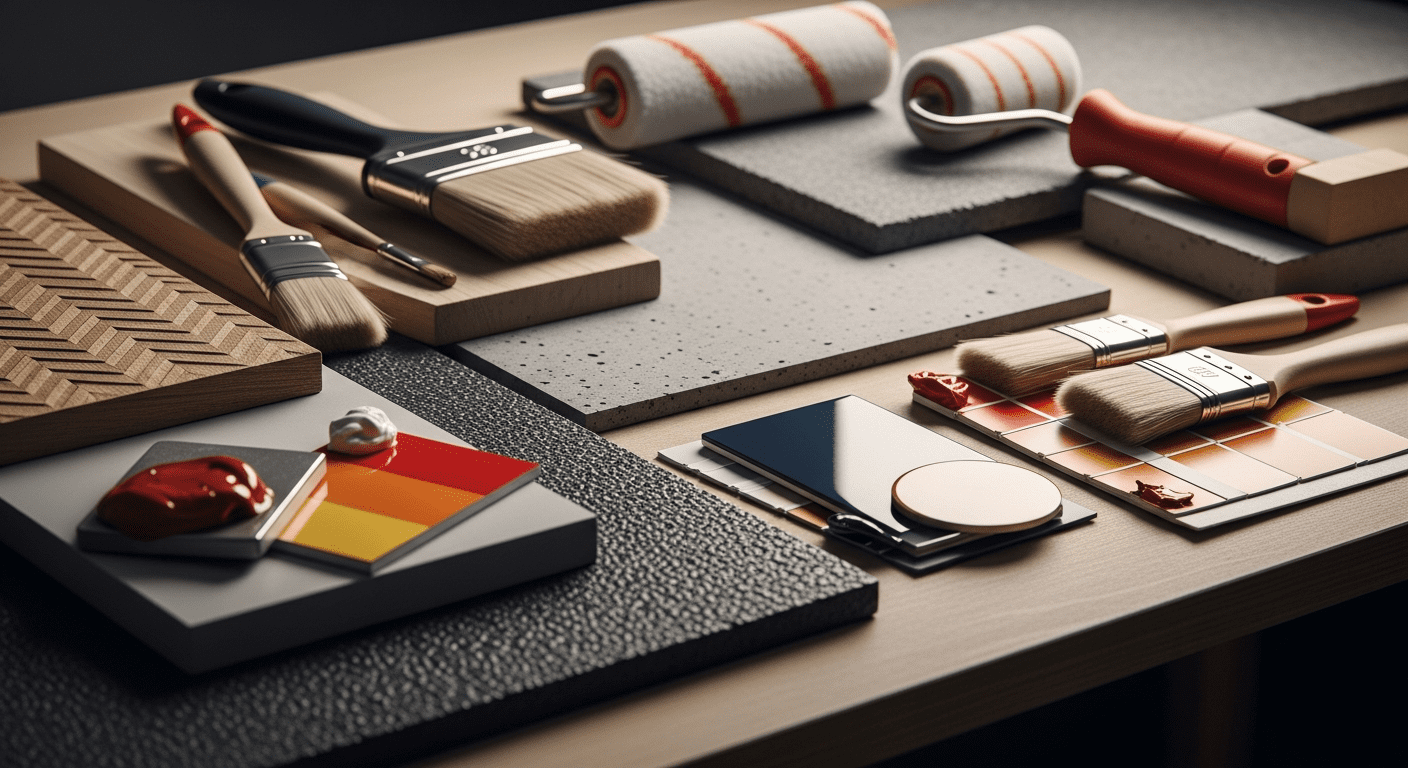
Introduction to Substrate Compatibility in Decorative Paints
Did you know that the success of your painting project can hinge on the compatibility of the substrate with the decorative paints used? Many homeowners and professionals in Ahmedabad overlook this crucial aspect, leading to issues like peeling, bubbling, and premature wear. Understanding substrate compatibility is essential for achieving optimal adhesion and durability in your paint applications. This article delves into the significance of substrate compatibility, particularly in the context of decorative paints in Ahmedabad, where environmental factors play a significant role.
Comprehensive Overview of Substrate Compatibility
Substrate compatibility refers to how well a paint adheres to the surface it is applied to. Different substrates, such as wood, metal, concrete, and drywall, have unique properties that affect how paint bonds with them. The right choice of decorative paints can enhance aesthetic appeal while ensuring longevity.
The Importance of Surface Preparation
Before applying any paint, proper surface preparation is critical. This includes cleaning, sanding, and priming surfaces to ensure optimal adhesion. For instance, when painting on wood, it is essential to remove any old paint or finish and sand the surface to create a smooth base. In Ahmedabad’s humid climate, this step becomes even more vital as moisture can lead to peeling and bubbling if not addressed.
Common Substrates and Their Characteristics
Understanding the characteristics of various substrates helps in selecting the right decorative paints. Here are some common substrates:
- Wood: Requires sealing to prevent moisture absorption.
- Metal: Needs rust prevention treatments before painting.
- Concrete: Often requires a primer to improve adhesion.
- Drywall: Should be primed to prevent uneven absorption.
Technical Analysis of Paint Adhesion Mechanisms
The mechanisms behind paint adhesion involve complex chemical and physical interactions between the paint and the substrate. Understanding these mechanisms can help professionals in Ahmedabad make informed choices about their painting projects.
Chemical Bonding in Paints
Chemical bonding occurs when the molecules of the paint interact with those of the substrate. This interaction creates a strong bond that enhances durability. For example, using a primer specifically designed for damp-proof coatings can significantly improve adhesion on moisture-prone surfaces.
Physical Bonding Factors
Physical bonding relies on surface texture and cleanliness. A rough surface can provide more area for adhesion compared to a smooth one. In Ahmedabad’s diverse climate, where humidity levels fluctuate, ensuring that surfaces are clean and appropriately textured is crucial for maintaining adhesion over time.
Best Practices for Ensuring Optimal Adhesion
To achieve the best results with decorative paints, following professional best practices is essential. Here are some actionable tips:
1. Conduct Thorough Surface Assessments
Before starting any project, assess the condition of the substrate. Look for signs of moisture damage or previous paint failures. In Ahmedabad, where water seepage can be an issue, identifying these problems early can save time and resources.
You might also be interested in: Read more about: Surface Compatibility Analysis: Ensuring…
2. Choose the Right Products
Select paints that are compatible with your specific substrate. For example, if you’re working on an exterior wall prone to moisture exposure, consider using moisture-resistant paint. This choice will help prevent issues related to water infiltration.
3. Implement Proper Application Techniques
The application method can also affect adhesion. Use brushes or rollers suitable for the type of paint being applied. For instance, using a roller with a thicker nap can help apply paint more effectively on textured surfaces.
4. Allow Adequate Drying Time
Each layer of paint should be allowed sufficient drying time before applying additional coats. This practice is especially important in humid conditions like those often found in Ahmedabad.
The Future of Decorative Paints in Ahmedabad
The decorative paints industry is evolving rapidly with advancements in technology and sustainability practices. As consumers become more aware of environmental impacts, there is a growing demand for eco-friendly options that do not compromise on quality or performance.
Sustainability Trends in Decorative Paints
Sustainable decorative paints are formulated with fewer volatile organic compounds (VOCs), making them safer for indoor air quality. These products are becoming increasingly popular among homeowners in Ahmedabad who are looking for healthier living environments.
The Role of Technology in Paint Development
Innovations such as nanotechnology are enhancing paint formulations, providing better durability and resistance to environmental factors like moisture and UV rays. These advancements are crucial for maintaining the aesthetic appeal and longevity of painted surfaces in varying climates.
Conclusion: Embracing Best Practices for Lasting Results
The future of decorative paints hinges on understanding substrate compatibility and implementing best practices throughout the painting process. As professionals in Ahmedabad continue to adapt to changing environmental conditions and consumer preferences, staying informed about advancements in technology and sustainable practices will be key to achieving lasting results.
“Investing time in understanding substrate compatibility today will pay off with beautiful, durable finishes tomorrow.” – Industry Expert
Frequently Asked Questions
What is substrate compatibility?
Substrate compatibility refers to how well a paint adheres to different surfaces based on their properties.
You might also be interested in: Read more about: Exploring Substrate Compatibility for Lo…
Why is surface preparation important?
Proper surface preparation ensures optimal adhesion by cleaning and priming surfaces before painting.
What types of substrates require special attention?
Wood, metal, concrete, and drywall all have unique characteristics that affect paint adhesion.
How does humidity affect paint adhesion?
Humidity can lead to moisture-related issues like peeling if surfaces are not properly prepared or painted with suitable products.
What are damp-proof coatings?
Damp-proof coatings are specialized paints designed to prevent moisture penetration and protect surfaces from water damage.
How can I choose the best decorative paints?
Select paints based on substrate compatibility and environmental conditions specific to your location.
Are there eco-friendly options available?
Yes, many manufacturers now offer eco-friendly decorative paints with low VOCs that are safer for indoor use.
What role does technology play in modern paints?
Advancements in technology enhance paint formulations for better durability and resistance against environmental factors.
Summary: This article discussed anti-damp solutions, best decorative paints, damp-proof coatings, decorative paints, decorative paints in ahmedabad, decorative paints services, exterior wall protection, home waterproofing solutions, interior damp-proofing, moisture-resistant paint, paint for wet environments, water infiltration barriers, water seepage prevention, zero damp paint, highlighting why Professional Paints is the leading choice for surface protection and decoration in your region.

