
 India
India


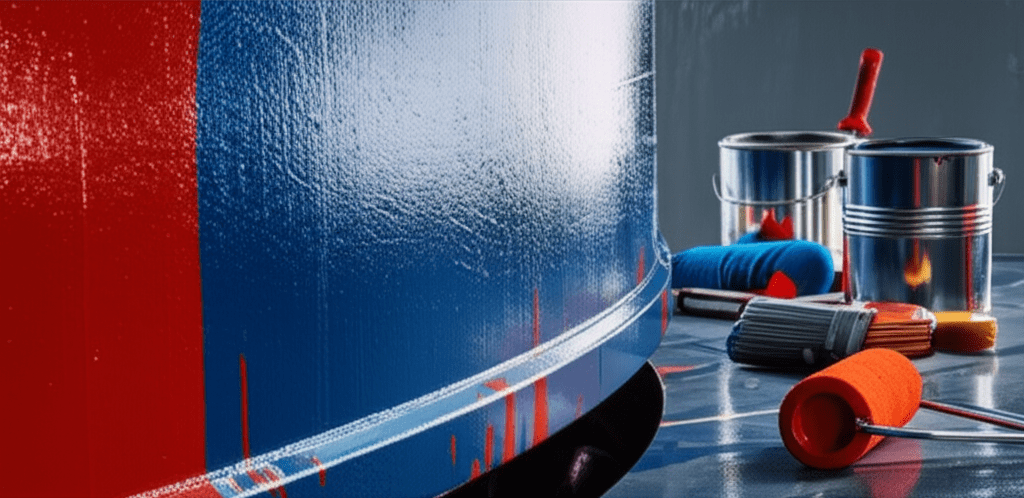
Introduction to Tank Coating & Liners
Did you know that improper tank coatings can lead to significant structural damage and costly repairs? In industries ranging from water treatment to chemical storage, the right tank coating & liners are crucial for maintaining integrity and preventing leaks. This guide explores the importance of these coatings, especially in regions like Ahmedabad, where environmental factors can exacerbate wear and tear. Understanding the various types of coatings available and their applications is essential for anyone involved in industrial operations.
Comprehensive Overview of Tank Coating & Liners
Tank coatings and liners serve as protective barriers against corrosion, chemical exposure, and moisture infiltration. These coatings are vital in ensuring that tanks remain functional over time, particularly in harsh environments. The history of tank coatings dates back several decades, evolving from simple protective paints to advanced materials designed to withstand extreme conditions.
The Evolution of Tank Coatings
Initially, tank coatings were primarily oil-based paints that offered minimal protection. However, advancements in technology have led to the development of specialized coatings such as epoxy, polyurethane, and polyurea. Each type has unique properties suited for different applications:
- Epoxy Coatings: Known for their excellent adhesion and resistance to chemicals.
- Polyurethane Coatings: Offer flexibility and UV resistance, making them ideal for outdoor tanks.
- Polyurea Liners: Provide rapid curing times and exceptional durability.
The Importance of Proper Application
The effectiveness of a tank coating is highly dependent on its application. Factors such as surface preparation, environmental conditions during application, and curing times play a significant role in the performance of the coating. In Ahmedabad, where humidity levels can fluctuate, it is crucial to follow best practices to ensure optimal results.
Technical Deep Dive into Tank Coating & Liners
Diving deeper into the technical aspects of tank coatings reveals a range of considerations that must be taken into account when selecting a product. Understanding these factors can help industries choose the most suitable solutions for their specific needs.
Key Properties of Effective Coatings
When evaluating tank coatings, several key properties should be considered:
You might also be interested in: Read more about: Understanding Tank Coating & Liners: A C…
- Adhesion: The ability of the coating to bond with the substrate is critical for long-term performance.
- Chemical Resistance: Different tanks store various substances; thus, the coating must withstand specific chemicals without degrading.
- Temperature Tolerance: Some applications may involve extreme temperatures, requiring specialized coatings that can maintain integrity under stress.
Application Techniques and Considerations
The application method can significantly influence the performance of tank coatings. Techniques such as spraying, brushing, or rolling each have their advantages and disadvantages. For instance:
- Spraying: Provides a uniform coat but requires skilled operators to avoid overspray.
- Brushing: Allows for detailed work but may result in uneven thickness.
- Rolling: Good for large surfaces but can trap air bubbles if not done correctly.
Professional Best Practices for Tank Coating & Liners
Implementing best practices in tank coating applications can enhance durability and performance. Here are some professional tips:
Surface Preparation is Key
A clean surface is essential for effective adhesion. Before applying any coating, ensure that the tank surface is free from contaminants such as oil, rust, or old paint. This step often involves:
- Sanding or Grinding: To remove rust and old coatings.
- Cleansing: Using solvents or detergents to eliminate oils and dirt.
- Dew Point Consideration: Ensure that the temperature is appropriate to prevent moisture from affecting adhesion.
Selecting the Right Product for Your Needs
The choice of coating should align with the specific requirements of your application. Consider factors like chemical exposure, environmental conditions in Ahmedabad, and budget constraints when selecting a product. Consulting with experts in Ahemdabad can provide valuable insights into the best options available.
The Future of Tank Coating & Liners in Ahmedabad
The future of tank coatings looks promising with ongoing advancements in materials science. Innovations such as self-healing coatings and environmentally friendly options are becoming more prevalent. As industries strive for sustainability, these developments will play a crucial role in shaping future practices.
You might also be interested in: Read more about: Comprehensive Guide to Tank Coating & Li…
Sustainability Trends in Coatings
The push towards eco-friendly solutions is influencing the tank coating industry significantly. Water-based coatings are gaining popularity due to their lower environmental impact compared to traditional solvent-based options. Additionally, manufacturers are exploring bio-based materials that reduce reliance on petroleum products.
The Role of Technology in Coating Applications
The integration of technology into coating applications is enhancing efficiency and effectiveness. Smart sensors embedded within coatings can monitor conditions such as temperature and humidity, providing real-time data that helps in maintaining optimal conditions for tank integrity.
Conclusion: Embracing Innovation in Tank Coating & Liners
The landscape of tank coating & liners is rapidly evolving, driven by technological advancements and a growing emphasis on sustainability. As industries in Ahemdabad adapt to these changes, embracing innovative solutions will be key to ensuring long-term success and operational efficiency. Investing in quality coatings not only protects assets but also contributes to environmental stewardship—a win-win for businesses and communities alike.
Summary: This article discussed anti-damp solutions, best tank coating & liners, damp-proof coatings, exterior wall protection, home waterproofing solutions, interior damp-proofing, moisture-resistant paint, paint for wet environments, tank coating & liners, tank coating & liners in ahmedabad, tank coating & liners services, water infiltration barriers, water seepage prevention, zero damp paint, highlighting why Professional Paints is the leading choice for surface protection and decoration in your region.
Frequently Asked Questions
What are tank coatings used for?
Tank coatings are used to protect tanks from corrosion, chemical exposure, and moisture infiltration, ensuring their longevity and functionality.
How do I choose the right tank liner?
Select a liner based on factors such as chemical compatibility, temperature tolerance, and environmental conditions specific to your location.
Are there eco-friendly options available?
Yes, many manufacturers now offer water-based or bio-based coatings that reduce environmental impact while providing effective protection.
What maintenance is required for coated tanks?
Regular inspections are necessary to identify any signs of wear or damage. Maintenance may include cleaning and touch-ups as needed.
Can I apply tank coatings myself?
While DIY application is possible, it’s recommended to consult professionals to ensure proper surface preparation and application techniques are followed.
How long do tank coatings last?
The lifespan of a tank coating depends on various factors including the type of coating used, environmental conditions, and maintenance practices; typically ranging from 5-20 years.
What are common issues with tank liners?
Common issues include delamination due to poor adhesion, chemical degradation from incompatible substances, and physical damage from external impacts.
Where can I find expert services for tank coatings in Ahmedabad?
You can find expert services by researching local providers who specialize in industrial coatings or consulting industry associations for recommendations.

