
 India
India


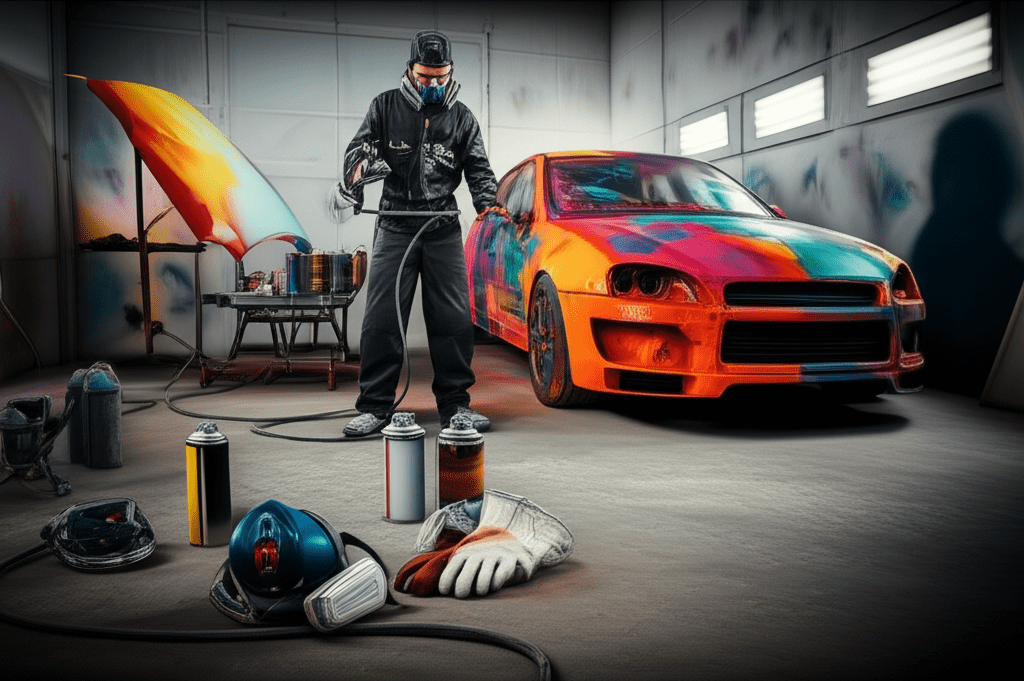
Understanding the Importance of Spray Painting Safety in the Automotive Industry
In the automotive industry, safety during spray painting is not just a regulatory requirement; it is a critical aspect that can significantly impact the quality of work and the health of workers. Recent studies indicate that improper handling of spray paints can lead to serious health issues, including respiratory problems and skin irritations. This makes understanding automotive spray painting safety essential for professionals in Ahmedabad and beyond.
With the rise of advanced spray painting technologies and materials, such as damp-proof coatings and moisture-resistant paint, it is crucial to adopt best practices that ensure both safety and quality. The focus on safety extends beyond personal protection; it also encompasses environmental considerations, ensuring that harmful emissions are minimized during the painting process.
The Evolution of Spray Painting Techniques
The evolution of spray painting techniques in the automotive sector has been remarkable. From traditional methods to modern automated systems, each advancement has brought about improvements in efficiency and quality. However, with these advancements come new safety challenges. For instance, while zero damp paint technology offers superior performance, it requires specific handling protocols to ensure worker safety.
Health Risks Associated with Spray Painting
Spray painting involves the use of various chemicals that can pose health risks if not managed properly. Common risks include:
- Respiratory Issues: Inhalation of fumes can lead to serious respiratory problems.
- Skin Irritation: Direct contact with paint can cause skin rashes and other irritations.
- Environmental Impact: Improper disposal of paint materials can harm local ecosystems.
Technical Analysis of Spray Painting Safety Measures
Implementing effective safety measures in spray painting requires a thorough understanding of both the materials used and the environment in which they are applied. This section delves into the technical aspects that contribute to a safer workspace.
Personal Protective Equipment (PPE)
The use of appropriate PPE is non-negotiable in ensuring safety during spray painting. Essential PPE includes:
You might also be interested in: Read more about: Essential Safety Tips for Spray Painting…
- Respirators: Protect against inhaling harmful vapors.
- Protective Clothing: Prevent skin contact with hazardous materials.
- Goggles: Shield eyes from splashes and fumes.
Ventilation Systems
A well-ventilated workspace is vital for reducing the concentration of harmful vapors. Proper ventilation helps in:
- Diluting Fumes: Ensures that toxic fumes are dispersed quickly.
- Maintaining Air Quality: Keeps the air breathable for workers.
Best Practices for Safe Spray Painting in Ahmedabad
To ensure a safe working environment during automotive spray painting, professionals in Ahmedabad should adhere to several best practices:
Regular Training and Education
Continuous education on safety protocols is essential. Regular training sessions can help workers stay updated on new safety measures and technologies, such as the latest damp-proof coatings.
Implementing Safety Checklists
A comprehensive safety checklist should be part of every spray painting operation. Key items to include are:
- PPE Availability: Ensure all necessary protective gear is available and in good condition.
- Ventilation Checks: Confirm that ventilation systems are functioning properly before starting work.
- Chemical Storage: Store all paints and solvents according to safety regulations.
The Future of Spray Painting Safety in the Automotive Sector
The future of spray painting safety in the automotive sector looks promising with advancements in technology and materials. Innovations such as eco-friendly paints and automated spray systems are expected to reduce health risks while improving efficiency. As the industry evolves, staying informed about these trends will be crucial for professionals in Ahmedabad.
You might also be interested in: Read more about: Achieve Safety with Essential Spray Pain…
Sustainability Trends in Automotive Paints
The shift towards sustainability is influencing paint formulations, leading to the development of low-VOC (volatile organic compounds) paints that are safer for both workers and the environment. These innovations not only enhance workplace safety but also align with global sustainability goals.
The Role of Regulatory Compliance
Adhering to local regulations regarding chemical usage and waste disposal is critical for maintaining a safe working environment. Compliance ensures that businesses avoid legal repercussions while fostering a culture of safety among employees.
Conclusion: Embracing a Culture of Safety in Automotive Spray Painting
The automotive industry in Ahmedabad must prioritize safety by adopting comprehensive practices that protect workers and enhance product quality. As technology continues to advance, embracing these changes will be key to ensuring a secure workspace. The future of automotive spray painting safety lies in continuous improvement, education, and adherence to best practices that safeguard both people and the environment.
Summary: This article discussed anti-damp solutions, automotive, automotive in ahmedabad, automotive services, best automotive, damp-proof coatings, exterior wall protection, home waterproofing solutions, interior damp-proofing, moisture-resistant paint, paint for wet environments, water infiltration barriers, water seepage prevention, zero damp paint, highlighting why Professional Paints is the leading choice for surface protection and decoration in your region.
Frequently Asked Questions
What are the main health risks associated with spray painting?
The primary health risks include respiratory issues from inhaling fumes, skin irritation from direct contact with paint, and environmental impacts from improper disposal of materials.
How can I ensure proper ventilation during spray painting?
Adequate ventilation can be achieved by using exhaust fans, opening windows, or employing specialized ventilation systems designed for spray painting environments.
What type of personal protective equipment is essential?
A respirator, protective clothing, gloves, and goggles are essential PPE items for anyone involved in spray painting activities.
Why is training important for spray painting safety?
Regular training ensures that workers are aware of current safety protocols, new technologies, and best practices that minimize risks associated with spray painting.
What should be included in a safety checklist for spray painting?
A safety checklist should include PPE availability, ventilation checks, proper chemical storage, and equipment functionality assessments.
How do eco-friendly paints contribute to workplace safety?
Eco-friendly paints typically have lower VOC levels, reducing harmful emissions and improving air quality within the workspace.
What regulations should be followed for safe spray painting?
Local regulations regarding chemical usage, waste disposal, and workplace safety standards must be adhered to maintain compliance and ensure worker protection.

