
 India
India


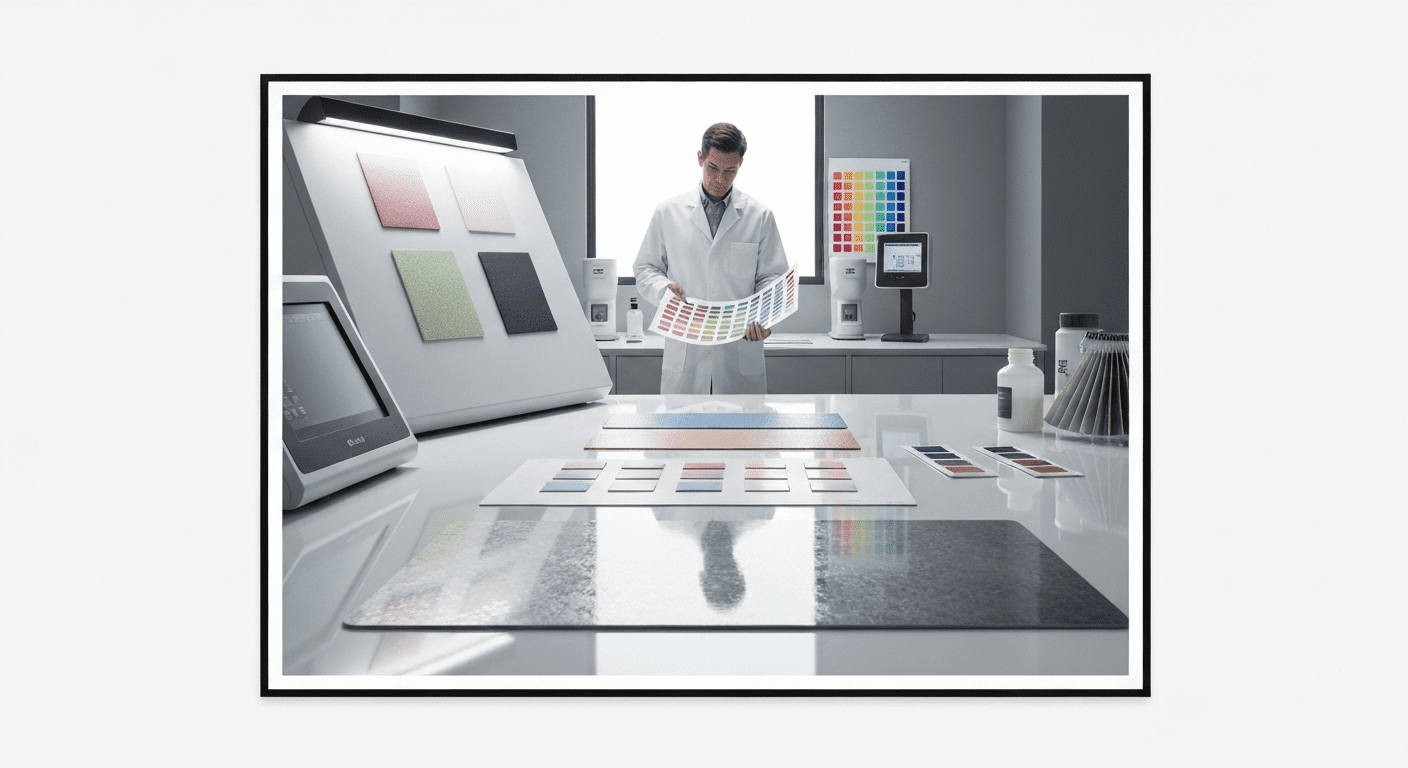
Introduction to Hygiene Coatings
Did you know that the right hygiene coatings can significantly reduce the risk of moisture-related issues in buildings? As urban areas like Ahmedabad continue to grow, the demand for effective moisture management solutions has never been higher. With increasing rainfall and humidity levels, understanding how weather influences painting techniques is crucial for maintaining structural integrity and hygiene. This article delves into the importance of hygiene coatings, particularly in Ahmedabad, where climate considerations play a vital role in selecting the best products and services.
Comprehensive Overview of Hygiene Coatings
The concept of hygiene coatings encompasses a range of protective paints designed to prevent moisture infiltration, mold growth, and other hygiene-related concerns. These coatings are particularly essential in regions with high humidity, such as Ahmedabad, where water seepage can lead to significant structural damage and health risks.
The Evolution of Hygiene Coatings
Historically, hygiene coatings have evolved from basic paint formulations to advanced solutions that incorporate antimicrobial properties and moisture-resistant technologies. Early products focused primarily on aesthetics, but modern formulations prioritize functionality alongside appearance.
Current Trends in Hygiene Coatings
Today, the market for hygiene coatings is expanding rapidly. Innovations such as zero damp paint and moisture-resistant formulations are gaining traction. These products not only protect surfaces but also contribute to healthier indoor environments by reducing allergens and pathogens.
Technical Deep Dive into Hygiene Coatings
Understanding the technical aspects of hygiene coatings is essential for professionals in the paints industry. The effectiveness of these coatings depends on various factors, including their composition, application methods, and environmental conditions.
Composition of Hygiene Coatings
Modern hygiene coatings often contain specialized additives that enhance their performance. For instance, antimicrobial agents are included to inhibit the growth of bacteria and mold. Additionally, moisture barriers are integrated to prevent water infiltration, making them ideal for use in humid climates like that of Ahmedabad.
Application Techniques for Optimal Performance
The application of hygiene coatings requires meticulous attention to detail. Proper surface preparation is critical; surfaces must be clean, dry, and free from contaminants to ensure optimal adhesion. Techniques such as spray application or roller application can be used depending on the specific product and surface type.
- Surface Preparation: Clean and dry surfaces are essential.
- Application Method: Choose between spray or roller based on the coating type.
- Curing Time: Allow adequate time for the coating to cure before exposure to moisture.
Best Practices and Professional Standards
Implementing best practices when using hygiene coatings can significantly enhance their effectiveness. Professionals should adhere to industry standards while considering local climatic conditions in Ahmedabad.
You might also be interested in: Read more about: Best Hygiene Coatings for Effective Prot…
Checklist for Applying Hygiene Coatings
- Select the Right Product: Choose products specifically designed for high-moisture environments.
- Follow Manufacturer Guidelines: Adhere strictly to application instructions provided by manufacturers.
- Regular Maintenance: Schedule periodic inspections to assess the integrity of the coating.
Professional Recommendations for Clients
When advising clients on hygiene coatings, professionals should emphasize the importance of selecting the right product based on environmental conditions. For instance, recommending damp-proof coatings or wate seepage prevention solutions can help mitigate future issues related to moisture.
The Future of Hygiene Coatings in Ahmedabad
The future of hygiene coatings looks promising as technology continues to advance. Innovations in materials science will likely lead to even more effective solutions tailored for specific environmental challenges faced by cities like Ahmedabad.
Sustainability Trends: As sustainability becomes a priority across industries, eco-friendly hygiene coatings are expected to gain popularity. These products not only protect buildings but also minimize environmental impact.
The integration of smart technologies into hygiene coatings could revolutionize how we monitor and maintain building health. Imagine coatings that can signal when they need maintenance or when moisture levels are too high—this could become a reality in the near future.
The industry is poised for growth as awareness about indoor air quality and building hygiene increases among consumers. Professionals who stay ahead of these trends will be better equipped to serve their clients effectively.
Frequently Asked Questions
What are hygiene coatings?
Hygiene coatings are specialized paints designed to prevent moisture infiltration and inhibit mold growth, ensuring healthier indoor environments.
Why are hygiene coatings important in Ahmedabad?
A humid climate makes buildings in Ahmedabad susceptible to moisture-related issues; thus, hygiene coatings help protect structures and improve indoor air quality.
You might also be interested in: Read more about: Hygiene Coatings: The Future of Protecti…
What types of hygiene coatings are available?
Common types include moisture-resistant paints, damp-proof coatings, and antimicrobial formulations tailored for various applications.
How do I choose the best hygiene coating?
Select a product based on your specific needs, considering factors like humidity levels, surface type, and desired aesthetic finish.
Can I apply hygiene coatings myself?
While some DIY enthusiasts may attempt it, professional application is recommended for optimal results and adherence to safety standards.
What maintenance is required for hygiene coatings?
Regular inspections and touch-ups may be necessary to ensure continued effectiveness against moisture and mold growth.
Aren’t all paints suitable for wet environments?
No, not all paints are designed for high-moisture areas; using inappropriate products can lead to premature failure and health risks.
How do I ensure proper application of hygiene coatings?
Follow manufacturer guidelines closely, prepare surfaces adequately, and consider hiring professionals for complex applications.
Summary: This article discussed anti-damp solutions, best hygiene coatings, damp-proof coatings, exterior wall protection, home waterproofing solutions, hygiene coatings, hygiene coatings in ahmedabad, hygiene coatings services, interior damp-proofing, moisture-resistant paint, paint for wet environments, water infiltration barriers, water seepage prevention, zero damp paint, highlighting why Professional Paints is the leading choice for surface protection and decoration in your region.

