
 India
India


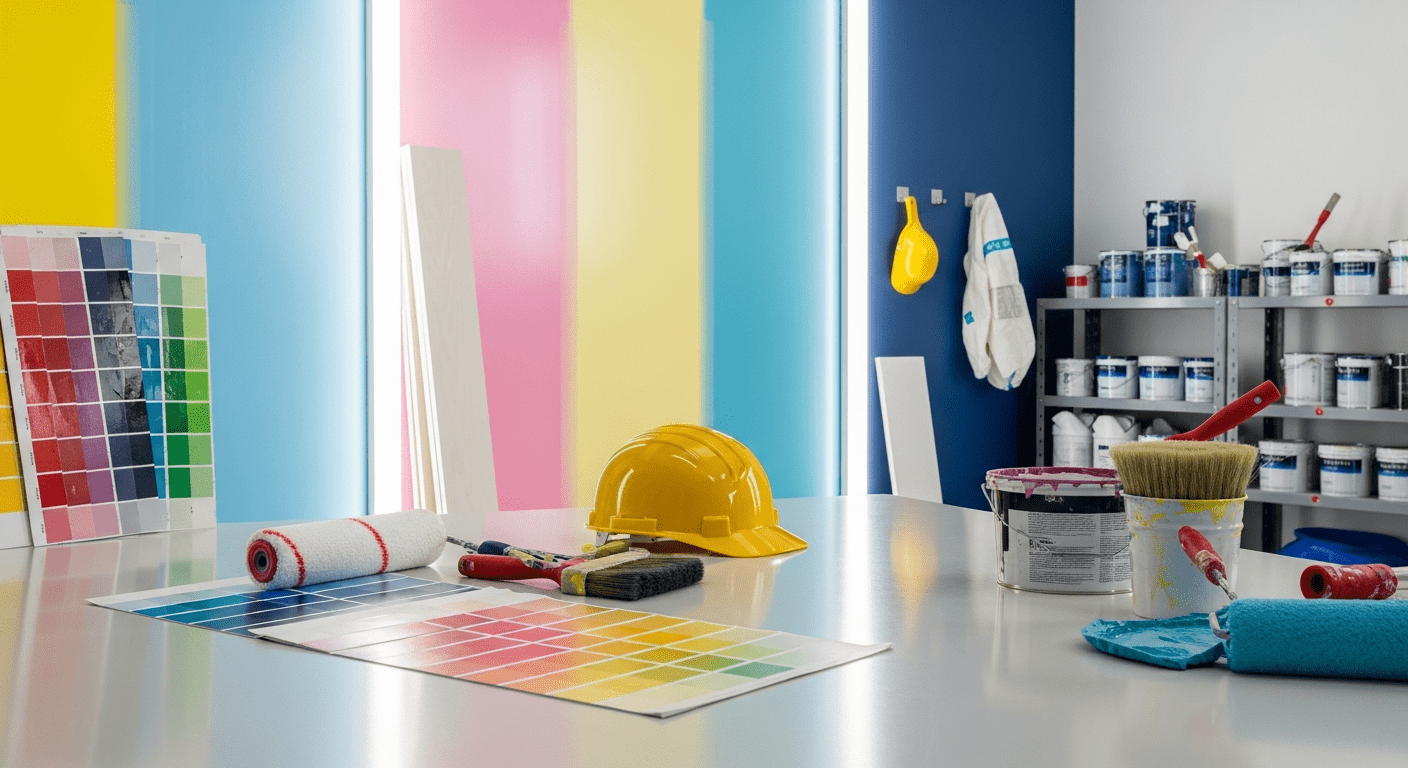
Introduction to Hygiene Coatings
In the realm of construction and maintenance, hygiene coatings have emerged as a critical component in ensuring safe and healthy environments. Recent studies indicate that the right coatings can significantly reduce the growth of harmful bacteria and mold, making them essential in both residential and commercial settings. This is particularly relevant in cities like Ahmedabad, where humidity can exacerbate moisture-related issues. Understanding the importance of hygiene coatings is crucial for anyone looking to protect their property from water infiltration and dampness, which can lead to costly repairs and health risks.
Comprehensive Overview of Hygiene Coatings
The concept of hygiene coatings encompasses a range of products designed to provide protective barriers against moisture, bacteria, and other contaminants. These coatings are particularly vital in environments such as hospitals, schools, and food processing facilities, where cleanliness is paramount. The history of hygiene coatings dates back several decades, but recent advancements have led to more effective formulations that offer enhanced durability and ease of application.
The Evolution of Hygiene Coatings
Initially, hygiene coatings were primarily focused on aesthetic appeal and basic protection. However, with increasing awareness of health risks associated with mold and bacteria, manufacturers began developing specialized products that not only protect surfaces but also actively inhibit microbial growth. Today, options like damp-proof coatings and moisture-resistant paint are widely available, providing robust solutions for various applications.
Importance in Ahmedabad’s Climate
The climate in Ahmedabad, characterized by high temperatures and humidity levels, makes the use of hygiene coatings even more critical. Properties without adequate protection are susceptible to water seepage and mold growth, which can compromise structural integrity and pose health risks. Implementing effective water infiltration barriers is essential for maintaining safe living conditions.
Technical Deep Dive into Hygiene Coatings
A thorough understanding of the technical aspects of hygiene coatings is essential for selecting the right product for specific applications. These coatings are formulated using advanced technologies that enhance their performance against moisture and microbial threats.
How Hygiene Coatings Work
The primary function of hygiene coatings is to create a barrier that prevents moisture from penetrating surfaces. This is achieved through various mechanisms:
- Water Repellency: Many hygiene coatings contain hydrophobic agents that repel water, preventing it from seeping into walls and ceilings.
- Mold Inhibition: Specialized additives are included in these coatings to inhibit the growth of mold and mildew on surfaces.
- Durability: Modern formulations are designed to withstand harsh cleaning agents without degrading, ensuring long-lasting protection.
Choosing the Right Hygiene Coating
Selecting the appropriate hygiene coating involves considering several factors:
- Application Surface: Different surfaces may require specific types of coatings; for example, concrete surfaces may need different treatment compared to drywall.
- Environmental Conditions: In humid areas like Ahmedabad, moisture-resistant options are crucial to prevent dampness.
- Regulatory Standards: Ensure that the selected coating meets local health and safety regulations.
Best Practices for Applying Hygiene Coatings
To maximize the effectiveness of hygiene coatings, proper application techniques must be followed. Here are some professional best practices:
You might also be interested in: Read more about: Hygiene Coatings: Essential Solutions fo…
Preparation is Key
Before applying any coating, thorough surface preparation is essential. This includes cleaning the surface to remove dirt, grease, or existing mold. Additionally, any cracks or holes should be repaired to ensure a smooth application.
Application Techniques
The method of application can greatly affect the performance of hygiene coatings:
- Spray vs. Roll: Depending on the area being treated, spraying can provide a more even coat compared to rolling.
- Multiple Coats: For optimal protection, applying multiple thin coats is often more effective than one thick coat.
- Curing Time: Allow adequate curing time between coats to ensure maximum adhesion and effectiveness.
The Future of Hygiene Coatings
The future of hygiene coatings looks promising as advancements in technology continue to emerge. Innovations such as self-cleaning surfaces and eco-friendly formulations are gaining traction in the market. As awareness about health and safety increases, especially in urban areas like Ahmedabad, the demand for effective hygiene solutions will likely rise.
The integration of smart technologies into hygiene coatings could also revolutionize how we approach surface protection. Imagine coatings that can signal when they need reapplication or those that actively monitor environmental conditions!
Frequently Asked Questions
What are hygiene coatings?
Hygiene coatings are specialized paints designed to protect surfaces from moisture, bacteria, and mold growth.
Why are hygiene coatings important in Ahmedabad?
The humid climate in Ahmedabad increases the risk of dampness and mold growth, making hygiene coatings essential for maintaining healthy environments.
How do I choose the right hygiene coating?
Select a coating based on the application surface, environmental conditions, and compliance with local regulations.
You might also be interested in: Read more about: Hygiene Coatings: Essential Solutions fo…
What is the difference between damp-proof coatings and moisture-resistant paint?
Damp-proof coatings specifically prevent water seepage while moisture-resistant paint offers general protection against humidity.
Can I apply hygiene coatings myself?
While DIY application is possible, hiring professionals ensures proper surface preparation and application techniques for optimal results.
Are there eco-friendly options available?
Yes, many manufacturers now offer eco-friendly hygiene coatings that meet sustainability standards without compromising performance.
How often should I reapply hygiene coatings?
The frequency of reapplication depends on environmental conditions; however, it’s generally recommended every 5-10 years for optimal protection.
What are some common applications for hygiene coatings?
Common applications include hospitals, schools, kitchens, bathrooms, and any area prone to high humidity or contamination risks.
Summary: This article discussed anti-damp solutions, best hygiene coatings, damp-proof coatings, exterior wall protection, home waterproofing solutions, hygiene coatings, hygiene coatings in ahmedabad, hygiene coatings services, interior damp-proofing, moisture-resistant paint, paint for wet environments, water infiltration barriers, water seepage prevention, zero damp paint, highlighting why Professional Paints is the leading choice for surface protection and decoration in your region.

