
 India
India


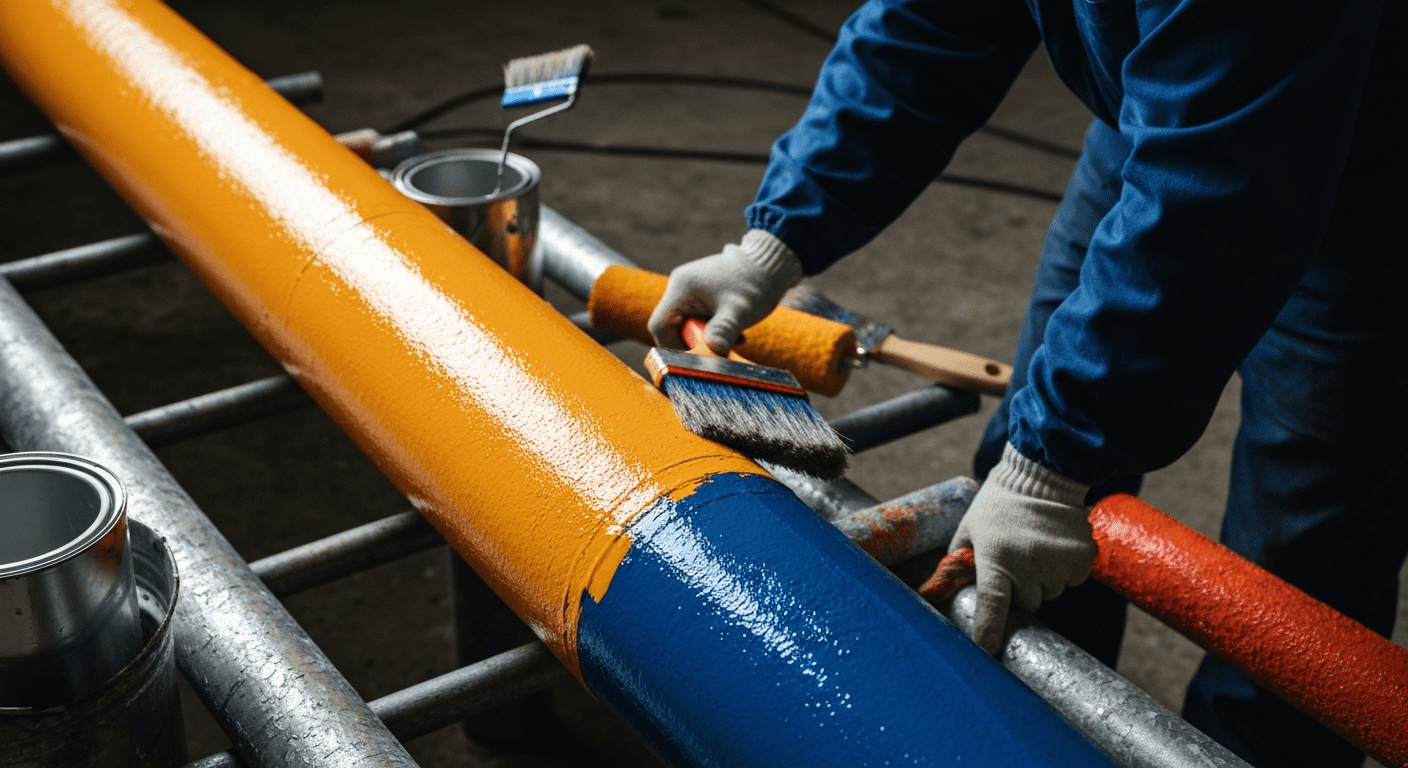
Understanding the Importance of Pipeline Coatings
In the realm of construction, pipeline coatings play a pivotal role in ensuring the longevity and durability of structures. Recent studies indicate that nearly 30% of construction failures are attributed to inadequate moisture protection. This highlights the necessity for effective pipeline coatings, particularly in regions like Ahmedabad, where humidity can exacerbate issues related to water seepage and dampness. Understanding the various types of coatings available and their applications is essential for any construction project.
The Role of Pipeline Coatings in Construction
Pipeline coatings serve multiple functions, including protection against corrosion, moisture infiltration, and physical damage. These coatings are designed to create a barrier that prevents water from penetrating the substrate, thus safeguarding the integrity of the pipelines and surrounding structures. In Ahmedabad, where construction standards are continuously evolving, utilizing advanced coatings can significantly enhance the resilience of new buildings.
Types of Pipeline Coatings Available
There are several types of pipeline coatings available, each tailored for specific applications:
- Epoxy Coatings: Known for their strong adhesion and resistance to chemicals.
- Polyurethane Coatings: Provide excellent flexibility and UV resistance.
- Cementitious Coatings: Ideal for high-humidity environments, offering robust moisture resistance.
- Acrylic Coatings: Water-based options that are easy to apply and environmentally friendly.
Technical Analysis of Pipeline Coatings
The effectiveness of pipeline coatings hinges on their composition and application methods. Understanding these technical aspects is crucial for achieving optimal results.
Composition of Effective Pipeline Coatings
The composition of a coating determines its performance characteristics. For instance, epoxy coatings are often preferred for their durability, while polyurethane options are selected for their aesthetic appeal and flexibility. In contrast, cementitious coatings are specifically formulated to withstand moisture, making them ideal for areas prone to water infiltration.
Application Techniques for Optimal Performance
The application technique significantly impacts the performance of pipeline coatings. Proper surface preparation, including cleaning and priming, is essential to ensure strong adhesion. Additionally, applying multiple thin layers rather than one thick layer can enhance durability and effectiveness. Professionals in Ahmedabad emphasize the importance of following manufacturer guidelines during application to achieve the best results.
Best Practices and Professional Standards in Pipeline Coatings
Implementing best practices is vital for ensuring the longevity and effectiveness of pipeline coatings. Here are some expert recommendations:
Regular Maintenance Checks
Conducting regular maintenance checks on coated surfaces can help identify potential issues before they escalate. This includes inspecting for signs of wear, such as peeling or cracking, which may indicate that a reapplication is necessary.
You might also be interested in: Read more about: Optimize Pipeline Coatings for Long-Last…
Selecting the Right Coating for Specific Environments
Choosing the appropriate coating based on environmental conditions is crucial. For instance, in humid areas like Ahmedabad, moisture-resistant paints should be prioritized to prevent dampness and mold growth. Consulting with local experts can provide insights into the best options available.
The Future of Pipeline Coatings in Construction
The future of pipeline coatings is leaning towards sustainable solutions that not only protect structures but also minimize environmental impact. Innovations in coating technology are paving the way for more effective moisture barriers that are eco-friendly and durable.
Sustainable Practices in Coating Application
As awareness around sustainability grows, many contractors in Ahmedabad are adopting eco-friendly practices in their coating applications. This includes using low-VOC (volatile organic compounds) products that reduce harmful emissions during application.
The Role of Technology in Advancing Coating Solutions
The integration of technology in coating solutions is revolutionizing the industry. Advanced monitoring systems can now track moisture levels within structures, allowing for timely interventions when issues arise. This proactive approach not only enhances building longevity but also ensures compliance with modern construction standards.
Conclusion: Embracing Innovation in Pipeline Coatings
The landscape of pipeline coatings is rapidly evolving, driven by technological advancements and a growing emphasis on sustainability. As professionals in Ahmedabad continue to explore innovative solutions, it becomes increasingly important to stay informed about emerging trends and best practices. By prioritizing effective pipeline coatings, builders can ensure enhanced durability and protection against moisture-related issues, ultimately leading to more resilient structures.
Frequently Asked Questions
What are pipeline coatings?
Pipeline coatings are protective layers applied to pipelines to prevent corrosion, moisture infiltration, and physical damage.
Why are pipeline coatings important?
Pipelines without proper coatings are susceptible to damage from environmental factors, leading to costly repairs and structural failures.
You might also be interested in: Read more about: Protect Your Building Envelope with Dura…
How do I choose the right pipeline coating?
Select a coating based on environmental conditions, substrate material, and specific project requirements.
What maintenance is required for pipeline coatings?
Regular inspections should be conducted to identify wear or damage, with reapplication performed as necessary.
Are there eco-friendly options available?
Yes, many manufacturers now offer low-VOC and environmentally friendly pipeline coatings that reduce harmful emissions.
How does humidity affect pipeline coatings?
High humidity levels can lead to moisture infiltration; thus, selecting moisture-resistant coatings is critical in humid regions like Ahmedabad.
Can I apply pipeline coatings myself?
While DIY application is possible, professional application is recommended to ensure proper surface preparation and adherence to manufacturer guidelines.
What advancements are being made in pipeline coating technology?
The industry is seeing innovations such as smart monitoring systems that track moisture levels and improve maintenance practices.
Summary: This article discussed anti-damp solutions, best pipeline coatings, damp-proof coatings, exterior wall protection, home waterproofing solutions, interior damp-proofing, moisture-resistant paint, paint for wet environments, pipeline coatings, pipeline coatings in ahmedabad, pipeline coatings services, water infiltration barriers, water seepage prevention, zero damp paint, highlighting why Professional Paints is the leading choice for surface protection and decoration in your region.

