
 India
India


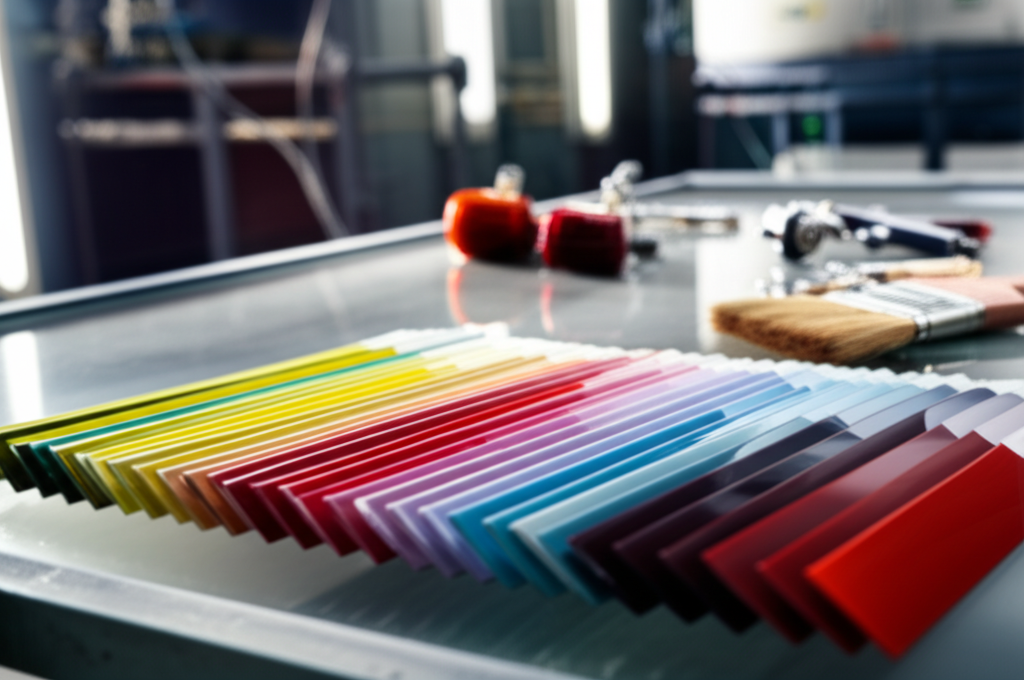
Introduction to Automotive Paints
The automotive industry is constantly evolving, with innovations in paint technology playing a crucial role in vehicle longevity and aesthetics. Recent studies indicate that the right choice of automotive paint can significantly enhance a vehicle’s resistance to environmental factors, particularly in regions like Ahmedabad, where humidity and heat can accelerate wear and tear. Understanding how to optimize these paints not only improves the vehicle’s appearance but also extends its lifespan, making it a vital consideration for both manufacturers and consumers.
Comprehensive Overview of Automotive Paints
Automotive paints are specially formulated coatings designed to protect vehicles from various elements, including UV rays, moisture, and physical damage. The history of automotive paints dates back to the early 20th century when basic enamels were used. Today, advancements have led to the development of sophisticated coatings that offer superior protection and aesthetic appeal.
Types of Automotive Paints
There are several types of automotive paints available in the market:
- Acrylic Lacquer: Known for its high gloss and ease of application.
- Polyurethane: Offers excellent durability and resistance to chemicals.
- Waterborne Paints: Environmentally friendly options that reduce VOC emissions.
- Basecoat/Clearcoat Systems: Provide a protective layer over the base color.
The Importance of Quality in Automotive Paints
The quality of automotive paints directly impacts their performance. High-quality paints can resist fading, chipping, and peeling, which is essential for maintaining the vehicle’s value over time. In Ahmedabad, where vehicles are exposed to harsh sunlight and occasional rain, selecting the best automotive paint can make a significant difference in durability.
Technical Deep Dive into Automotive Paint Optimization
Optimizing automotive paints involves understanding their composition and how they interact with environmental factors. Various additives and technologies are employed to enhance performance.
Additives for Enhanced Performance
Additives play a crucial role in improving the properties of automotive paints. Common additives include:
You might also be interested in: Read more about: Enhance Your Automotive Experience with …
- UV Stabilizers: Protect against sun damage and fading.
- Anti-Corrosion Agents: Prevent rust formation on metal surfaces.
- Moisture Barriers: Help in water seepage prevention, especially important in humid climates like Ahmedabad.
Application Techniques for Optimal Results
The application method significantly affects the final outcome of automotive paint. Techniques such as spray painting provide an even coat, while brush application may lead to uneven surfaces. Professionals often recommend using a spray gun for better results, ensuring that the paint adheres properly and forms a durable finish.
Professional Best Practices for Automotive Painting
To achieve long-lasting results with automotive paints, following best practices is essential. Here are some expert recommendations:
Surface Preparation
The foundation of any successful paint job lies in proper surface preparation. This includes:
- Cleansing: Remove dirt, grease, and old paint.
- Sanding: Smooth out imperfections to ensure better adhesion.
- Priming: Apply a primer suitable for the type of paint being used.
Curing and Drying Times
Curing times vary depending on the type of paint used. It’s crucial to allow sufficient drying time between coats to avoid issues like bubbling or peeling. In humid conditions typical of Ahmedabad, utilizing a moisture-resistant paint can help mitigate these risks.
The Future of Automotive Paint Technology
The future of automotive paint technology looks promising with ongoing research into sustainable materials and advanced formulations. Innovations such as self-healing paints and nanotechnology are set to revolutionize the industry by providing even greater protection against environmental damage.
You might also be interested in: Read more about: Automotive Paints: Best Practices and In…
Sustainability Trends in Automotive Coatings
Sustainability is becoming increasingly important in the automotive industry. Manufacturers are now focusing on developing eco-friendly paints that reduce environmental impact without compromising on quality. Waterborne paints are gaining popularity due to their lower VOC emissions, making them an ideal choice for environmentally conscious consumers in Ahmedabad.
The Role of Technology in Paint Application
The integration of technology in paint application processes is enhancing efficiency and quality control. Automated systems ensure consistent application thickness and reduce waste, leading to cost savings for manufacturers while delivering superior results.
Conclusion: Embracing Innovation in Automotive Paints
The landscape of automotive paints is rapidly changing, driven by technological advancements and a growing emphasis on sustainability. As professionals in the industry adapt to these changes, it becomes imperative to stay informed about the latest developments. By optimizing paint choices and application techniques, stakeholders can ensure vehicles remain protected against moisture and other environmental challenges prevalent in regions like Ahmedabad. The future of automotive paints promises exciting innovations that will redefine durability and aesthetics in the automotive sector.
Summary: This article discussed anti-damp solutions, automotive, automotive in ahmedabad, automotive services, best automotive, damp-proof coatings, exterior wall protection, home waterproofing solutions, interior damp-proofing, moisture-resistant paint, paint for wet environments, water infiltration barriers, water seepage prevention, zero damp paint, highlighting why Professional Paints is the leading choice for surface protection and decoration in your region.
Frequently Asked Questions
What are the benefits of using high-quality automotive paints?
High-quality automotive paints offer superior durability, resistance to fading, chipping, and peeling, ensuring long-lasting protection for vehicles.
How does humidity affect automotive paint?
Humidity can lead to issues such as bubbling or peeling if proper moisture-resistant products are not used during application.
What types of additives improve automotive paint performance?
Additives like UV stabilizers, anti-corrosion agents, and moisture barriers enhance the overall performance of automotive paints.
Why is surface preparation important before painting?
Proper surface preparation ensures better adhesion and a smoother finish, which is crucial for achieving long-lasting results.
How can I maintain my vehicle’s paint job?
Regular washing, waxing, and avoiding exposure to harsh chemicals can help maintain your vehicle’s paint job over time.
What are waterborne paints?
Waterborne paints are environmentally friendly alternatives that use water as a solvent instead of harmful chemicals, reducing VOC emissions significantly.
Can I apply automotive paint myself?
If you have experience with painting techniques and proper equipment, you can apply automotive paint yourself; however, professional application often yields better results.
What should I consider when choosing an automotive paint?
You should consider factors such as durability, color retention, ease of application, and environmental impact when choosing an automotive paint.

