
 India
India


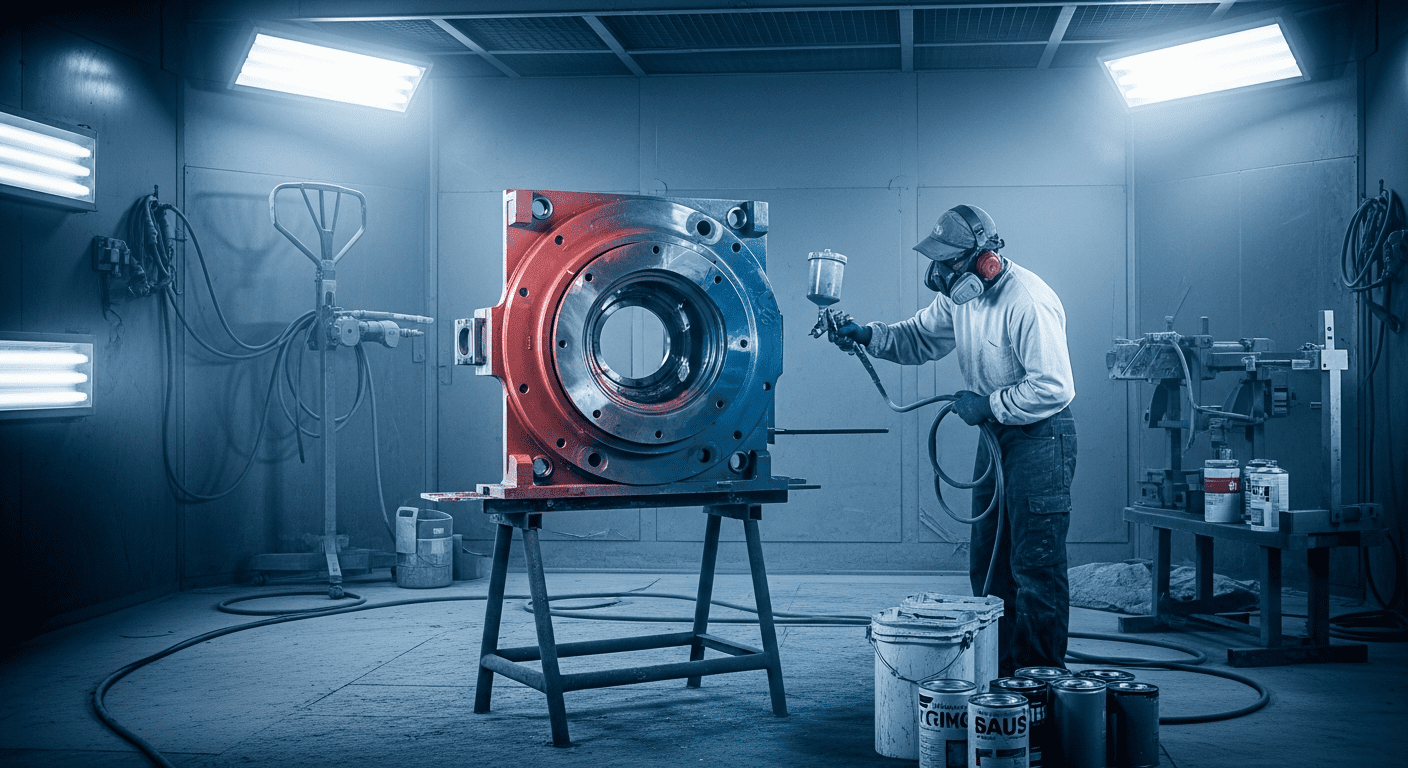
Introduction to Spray Painting in Machinery and Engineering
Recent advancements in spray painting techniques have revolutionized the machinery and engineering sectors, particularly in regions like Ahmedabad. The application of these techniques not only enhances the aesthetic appeal of machinery but also significantly improves durability and functionality. For instance, the use of damp-proof coatings and moisture-resistant paint has become crucial in preventing water seepage, which is a common issue in industrial settings. This article explores how these innovative methods can elevate your projects and why they are essential for maintaining high standards in the machinery and engineering industry.
The Evolution of Spray Painting Techniques
Spray painting has come a long way since its inception. Initially used for simple applications, it has evolved into a sophisticated process that incorporates various technologies to meet the demands of modern machinery and engineering. The introduction of zero damp paint has been particularly beneficial in areas prone to moisture issues, such as Ahmedabad, where humidity can lead to significant deterioration of machinery.
Historical Context of Spray Painting
The history of spray painting dates back to the early 20th century when it was primarily used for automotive finishes. Over the decades, advancements in technology have led to the development of specialized equipment that allows for more precise application, reducing waste and improving coverage. Today, industries across Ahmedabad utilize these techniques not only for aesthetic purposes but also for protective measures against environmental factors.
Current Trends in Spray Painting Techniques
Modern spray painting techniques now include high-volume low-pressure (HVLP) systems and airless spraying methods that ensure a smooth finish while minimizing overspray. These advancements are particularly relevant for large-scale projects in the machinery and engineering sectors, where efficiency and quality are paramount. Furthermore, the integration of eco-friendly paints is gaining traction, aligning with global sustainability goals.
Technical Analysis of Spray Painting Applications
The technical aspects of spray painting are critical for achieving optimal results in machinery projects. Understanding the mechanics behind these applications can help professionals make informed decisions when selecting materials and methods.
Mechanisms of Effective Spray Painting
Effective spray painting relies on several key mechanisms, including atomization, spray pattern control, and material viscosity. Atomization refers to breaking down paint into fine droplets, which ensures even coverage on surfaces. In industrial settings, controlling the spray pattern is essential for minimizing waste and achieving uniformity across large areas.
Choosing the Right Paint for Specific Environments
Selecting the appropriate paint is crucial, especially in environments prone to moisture or chemical exposure. For instance, damp-proof coatings are ideal for areas susceptible to water infiltration, while anti-damp solutions provide additional protection against mold and mildew. In Ahmedabad, where humidity levels can fluctuate significantly, using moisture-resistant paint is vital for maintaining the integrity of machinery.
- Damp-Proof Coatings: Essential for preventing water damage.
- Moisture-Resistant Paint: Ideal for humid environments.
- Exterior Wall Protection: Safeguards against environmental wear.
- Interior Damp-Proofing: Protects internal structures from moisture.
Best Practices and Professional Standards in Spray Painting
Implementing best practices is crucial for achieving high-quality results in spray painting projects within the machinery and engineering sectors. Professionals must adhere to specific standards to ensure safety and efficiency.
You might also be interested in: Read more about: How Moisture-Resistant Aerosol Spray Enh…
Preparation Steps Before Painting
The preparation phase is critical before any spray painting project begins. This includes cleaning surfaces thoroughly to remove dust, grease, or previous coatings that may affect adhesion. Additionally, ensuring proper ventilation during the application process is essential to maintain air quality and safety standards.
Application Techniques for Optimal Results
When applying spray paint, maintaining a consistent distance from the surface is vital. This distance typically ranges from 6 to 12 inches, depending on the type of sprayer used. Moreover, applying multiple thin coats rather than one thick coat helps achieve a smoother finish and reduces the risk of runs or drips.
The Future of Spray Painting in Machinery and Engineering
The future of spray painting techniques in machinery and engineering looks promising as technology continues to advance. Innovations such as automated spray systems and improved paint formulations are set to enhance efficiency further while reducing environmental impact.
The integration of smart technologies, such as IoT-enabled sprayers that monitor application parameters in real-time, will likely become standard practice. As industries in Ahmedabad strive towards sustainability, adopting eco-friendly materials will also play a significant role in shaping future practices.
A Call to Action for Professionals in Ahmedabad
As professionals in the machinery and engineering sectors consider their next projects, embracing modern spray painting techniques will be crucial for success. By investing in quality materials and adhering to best practices, they can ensure their projects not only meet but exceed industry standards.
Frequently Asked Questions
What are the benefits of using spray painting techniques in machinery?
Spray painting techniques provide uniform coverage, reduce material waste, and enhance durability against environmental factors.
How does moisture-resistant paint work?
This type of paint contains special additives that repel water and prevent it from penetrating surfaces, thus protecting against dampness.
You might also be interested in: Read more about: Explore Automotive Paint Trends for 2025…
What should I consider when choosing paint for outdoor machinery?
Select paints that offer UV protection and are formulated specifically for outdoor use to withstand harsh weather conditions.
Are there eco-friendly options available for industrial spray painting?
Yes, many manufacturers now offer low-VOC (volatile organic compounds) paints that are safer for both users and the environment.
How can I ensure proper ventilation during spray painting?
Create adequate airflow by using fans or working outdoors when possible; this helps disperse fumes effectively.
What maintenance is required after applying spray paint?
Regular inspections should be conducted to check for signs of wear or damage; touch-ups may be necessary depending on environmental exposure.
Can I apply multiple coats of different types of paint?
This is possible but requires careful selection; ensure compatibility between different paint types to avoid issues with adhesion or finish quality.
Where can I find professional spray painting services in Ahmedabad?
A variety of local companies specialize in industrial coatings; researching online reviews can help identify reputable services in your area.
“`
Summary: This article discussed anti-damp solutions, best machinery / engineering, damp-proof coatings, exterior wall protection, home waterproofing solutions, interior damp-proofing, machinery / engineering, machinery / engineering in ahmedabad, machinery / engineering services, moisture-resistant paint, paint for wet environments, water infiltration barriers, water seepage prevention, zero damp paint, highlighting why Professional Paints is the leading choice for surface protection and decoration in your region.
Frequently Asked Questions about How Spray Painting Techniques Enhance Machinery Projects
Why is surface preparation important?
Proper surface preparation ensures better adhesion and longevity of the paint. Taralac Paints recommends cleaning, sanding, and priming before applying the top coat.
Why is surface preparation important?
Proper surface preparation ensures better adhesion and longevity of the paint. Professional Paints recommends cleaning, sanding, and priming before applying the top coat.
Why is surface preparation important?
Proper surface preparation ensures better adhesion and longevity of the paint. Professional Paints recommends cleaning, sanding, and priming before applying the top coat.

