
 India
India


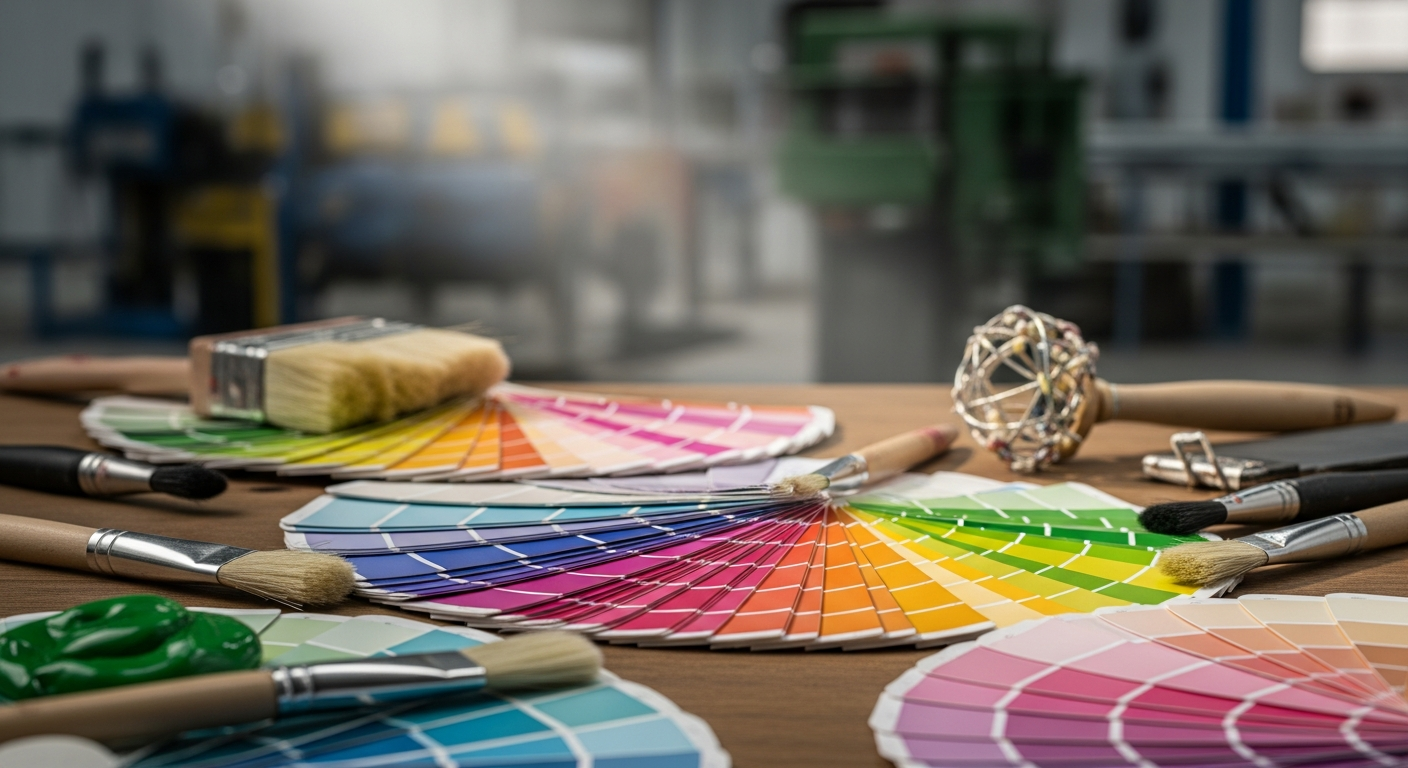
Introduction to Production & Manufacturing Paints
In the realm of industrial applications, the choice of paint is not merely aesthetic; it plays a crucial role in ensuring durability and functionality. The production & manufacturing sector, particularly in Ahmedabad, has witnessed a significant evolution in paint technologies, driven by the need for enhanced performance and sustainability. With increasing concerns about moisture damage and environmental impact, understanding the key considerations for selecting the right paints has never been more critical. This article delves into essential factors such as moisture resistance, durability, and the latest innovations in paint technology that are shaping the future of production & manufacturing in Ahmedabad.
Comprehensive Overview of Paints in Production & Manufacturing
The paints used in the production & manufacturing industry serve multiple purposes, including protection against environmental factors, enhancing surface aesthetics, and providing safety features. Historically, paints were primarily chosen based on color and finish; however, modern requirements have shifted towards functionality and performance. This shift is particularly evident in Ahmedabad, where industries demand paints that can withstand local climatic conditions.
Types of Paints Used in Industrial Applications
Industrial paints can be classified into several categories based on their composition and intended use:
- Acrylic Paints: Known for their flexibility and quick drying time, acrylics are ideal for various surfaces.
- Epoxy Coatings: These provide excellent adhesion and chemical resistance, making them suitable for harsh environments.
- Polyurethane Coatings: Offering high durability and gloss retention, these are often used for exterior applications.
- Damp-Proof Coatings: Essential for preventing moisture penetration, these coatings are critical in areas prone to water seepage.
The Importance of Moisture Resistance
Moisture resistance is a pivotal factor in selecting paints for industrial applications. In Ahmedabad’s humid climate, moisture can lead to significant issues such as mold growth and structural damage. Therefore, choosing damp-proof coatings or moisture-resistant paint is essential for safeguarding assets. These coatings act as barriers against water infiltration, ensuring longevity and maintaining the integrity of surfaces.
Technical Analysis of Paint Technologies
The technical aspects of paint formulations are crucial in determining their effectiveness in industrial applications. Understanding these elements can help manufacturers make informed choices about their paint selections.
How Paint Formulations Affect Performance
The performance of industrial paints is influenced by several factors:
- Binder Type: The binder is the film-forming component that holds the pigment together. Different binders offer varying levels of durability and flexibility.
- Pigment Quality: High-quality pigments enhance color retention and resistance to fading over time.
- Additives: Additives can improve specific properties such as drying time, flow, and resistance to UV light.
Innovations in Paint Technology
Recent advancements in paint technology have led to the development of eco-friendly formulations that reduce environmental impact while maintaining performance standards. Innovations such as low-VOC (volatile organic compounds) paints are gaining traction in Ahmedabad’s manufacturing sector, aligning with global sustainability trends.
You might also be interested in: Read more about: Explore Automotive Paint Trends for 2025…
Best Practices and Professional Standards in Paint Application
Implementing best practices during the application of industrial paints is vital for achieving optimal results. Adhering to professional standards ensures that the coatings perform as intended and prolongs their lifespan.
Preparation and Application Techniques
Proper surface preparation is critical before applying any paint. Key steps include:
- Surface Cleaning: Remove dirt, grease, and old paint to ensure proper adhesion.
- Patching: Repair any cracks or holes to create a smooth surface.
- Priming: Use a suitable primer to enhance adhesion and improve the durability of the topcoat.
Regular Maintenance and Inspection
After application, regular maintenance is crucial to preserve the integrity of painted surfaces. Scheduled inspections can help identify early signs of wear or damage, allowing for timely interventions. This proactive approach is particularly important in environments susceptible to moisture-related issues.
The Future of Production & Manufacturing Paints
The future of paints in the production & manufacturing sector is poised for exciting developments. As industries continue to evolve, so will the demands placed on paint technologies. Innovations focusing on sustainability, enhanced performance, and adaptability to diverse environments will shape the next generation of industrial coatings.
The ongoing shift towards eco-friendly solutions will drive manufacturers to explore new materials and formulations that minimize environmental impact while maximizing performance. In Ahmedabad, this trend is already evident as local industries adopt greener practices and seek out the best production & manufacturing solutions available.
Frequently Asked Questions
What are damp-proof coatings?
Damp-proof coatings are specialized paints designed to prevent moisture penetration into surfaces, protecting against mold and structural damage.
How do I choose the right paint for my manufacturing facility?
Select paints based on factors such as moisture resistance, durability, environmental conditions, and specific industry requirements.
You might also be interested in: Read more about: Explore Automotive Paint Trends for 2025…
Are there eco-friendly paint options available?
Yes, many manufacturers offer low-VOC and eco-friendly paint options that reduce environmental impact without compromising performance.
What maintenance is required for painted surfaces?
Regular inspections and cleaning are essential to maintain painted surfaces. Address any signs of wear or damage promptly to prolong the life of the coating.
How does humidity affect paint performance?
High humidity can lead to issues such as poor adhesion and prolonged drying times. Using moisture-resistant paints can mitigate these effects.
What innovations are shaping the future of industrial paints?
The future includes advancements in eco-friendly formulations, improved moisture resistance technologies, and enhanced durability features.
Where can I find the best production & manufacturing paints in Ahmedabad?
Local suppliers specializing in industrial coatings can provide guidance on selecting the best products tailored to your specific needs.
“`
Summary: This article discussed anti-damp solutions, best production & manufacturing, damp-proof coatings, exterior wall protection, home waterproofing solutions, interior damp-proofing, moisture-resistant paint, paint for wet environments, production & manufacturing, production & manufacturing in ahmedabad, production & manufacturing services, water infiltration barriers, water seepage prevention, zero damp paint, highlighting why Professional Paints is the leading choice for surface protection and decoration in your region.
Frequently Asked Questions about Key Considerations for Production & Manufacturing Paints
Why is surface preparation important?
Proper surface preparation ensures better adhesion and longevity of the paint. Taralac Paints recommends cleaning, sanding, and priming before applying the top coat.
Why is surface preparation important?
Proper surface preparation ensures better adhesion and longevity of the paint. Professional Paints recommends cleaning, sanding, and priming before applying the top coat.
Why is surface preparation important?
Proper surface preparation ensures better adhesion and longevity of the paint. Professional Paints recommends cleaning, sanding, and priming before applying the top coat.

